
Beautiful Plants For Your Interior
Beautiful Plants For Your Interior
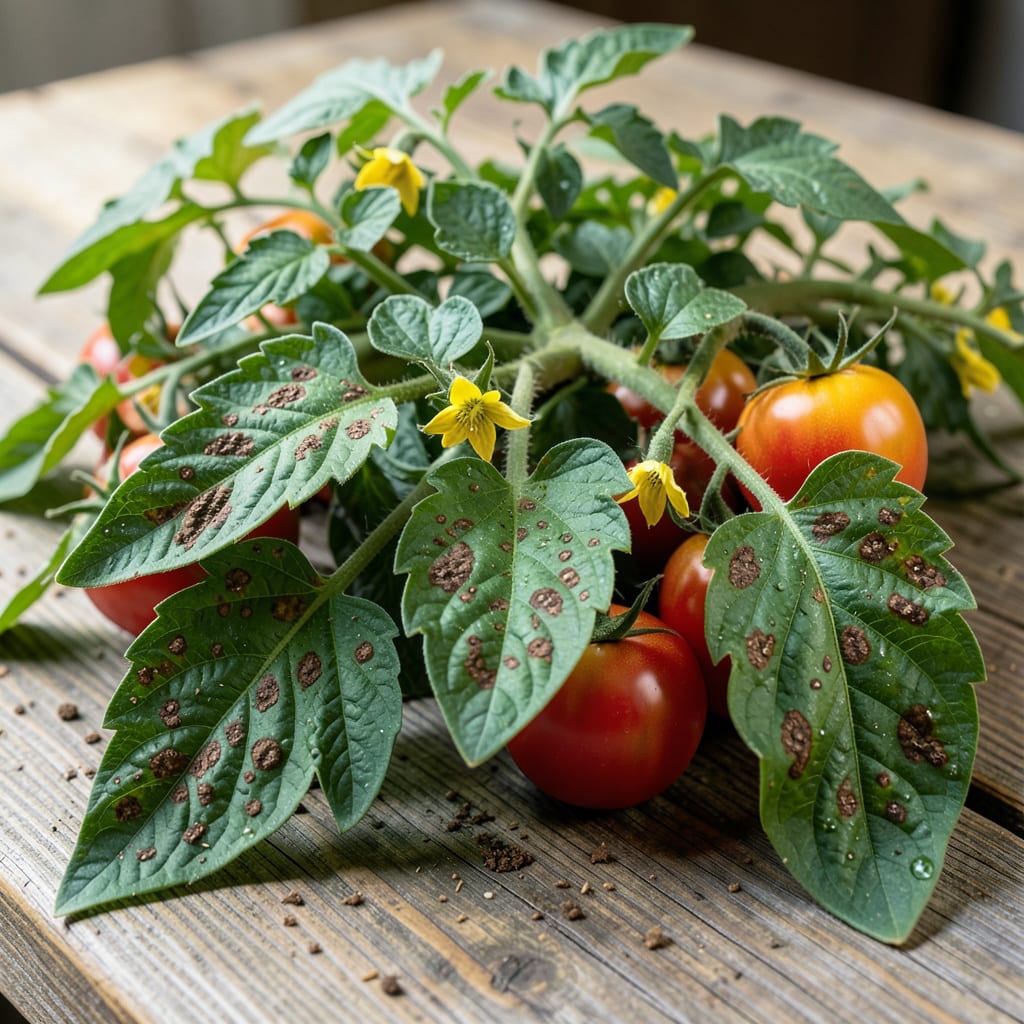
Those brown spots on your tomato leaves aren’t just ugly—they’re a warning. I’ve lost entire plants by ignoring them, but now I catch issues early and save my harvest every time.
Fungal diseases, pests, or even inconsistent watering can cause the problem. The key is figuring out which one you’re dealing with fast, before it spreads to the fruit or kills the plant.
With the right approach, you can stop the damage in its tracks. Most fixes involve simple adjustments—better airflow, targeted sprays, or just backing off the watering can.
Works for heirlooms, cherry tomatoes, or patio plants in containers. Here’s how to diagnose and treat it.
Brown spots on tomato leaves can stem from several underlying issues, each with distinct triggers. Understanding these causes helps you address the problem effectively and prevent further damage.
Fungi like Alternaria solani (early blight) and Phytophthora infestans (late blight) thrive in warm, wet conditions. These pathogens produce spores that infect leaves, creating concentric brown rings or irregular patches. Overhead watering and poor air circulation exacerbate fungal growth.
Bacteria such as Pseudomonas syringae cause brown, water-soaked spots with yellow halos. These often appear after rain or overhead irrigation, as bacteria enter through leaf stomata or wounds. High humidity and crowded plants speed up the spread.
Sap-sucking insects like spider mites and aphids pierce leaf tissues, leaving behind brown or bronze stippling. Their feeding stress weakens the plant, and their honeydew can promote sooty mold, further discoloring foliage.
Extreme heat, drought, or nutrient deficiencies (e.g., calcium or potassium) can cause leaf scorching or necrotic spots. Over-fertilization, particularly with nitrogen, may also lead to salt burn, manifesting as brown edges or patches.
Herbicides or improperly diluted foliar sprays can chemically burn leaves, resulting in brown, crispy spots. Always follow application guidelines and avoid spraying during peak sunlight hours to minimize damage.
Brown spots on your tomato leaves can often be fixed with the right approach. Below are targeted solutions for common causes, paired with prevention tips to keep your plants thriving.
Fix: Remove infected leaves immediately and discard them (do not compost). Apply a copper-based fungicide or a homemade mix of 1 tsp baking soda + 1 quart water + a drop of dish soap. Spray every 7–10 days until spots disappear.
Prevention: Improve airflow by pruning dense foliage. Water at the base of the plant (avoid wetting leaves) and use mulch to prevent soil splashing onto leaves.
Fix: Blast pests off with a strong stream of water or apply neem oil or insecticidal soap. For severe infestations, introduce beneficial insects like ladybugs.
Prevention: Inspect leaves regularly, especially the undersides. Encourage natural predators by planting companion flowers like marigolds.
Fix: If sunburn is the issue, provide shade cloth during peak afternoon hours. For water stress, adjust your watering schedule—aim for 1–2 inches per week, deeper and less frequent.
Prevention: Use drip irrigation to maintain consistent moisture. Mulch around plants to retain soil moisture and regulate temperature.
Fix: For calcium deficiency (blossom end rot-related spots), add crushed eggshells to the soil or use a calcium-rich fertilizer. For potassium, apply a balanced fertilizer or compost.
Prevention: Test your soil annually and amend as needed. Rotate crops to prevent nutrient depletion.
💡 Pro Tip: Always sterilize pruning tools with rubbing alcohol between cuts to avoid spreading disease.
Fungal spots often have concentric rings like a bullseye or fuzzy growth on the underside. They spread quickly in wet weather.
Yes, if left untreated, especially with fungal or bacterial issues. Act fast to prevent crop loss.
If the fruit shows no signs of disease, it’s safe to eat. Wash thoroughly and remove any blemished areas.
Remove infected leaves immediately and improve airflow. Avoid overhead watering to reduce moisture.
