
Beautiful Plants For Your Interior
Beautiful Plants For Your Interior
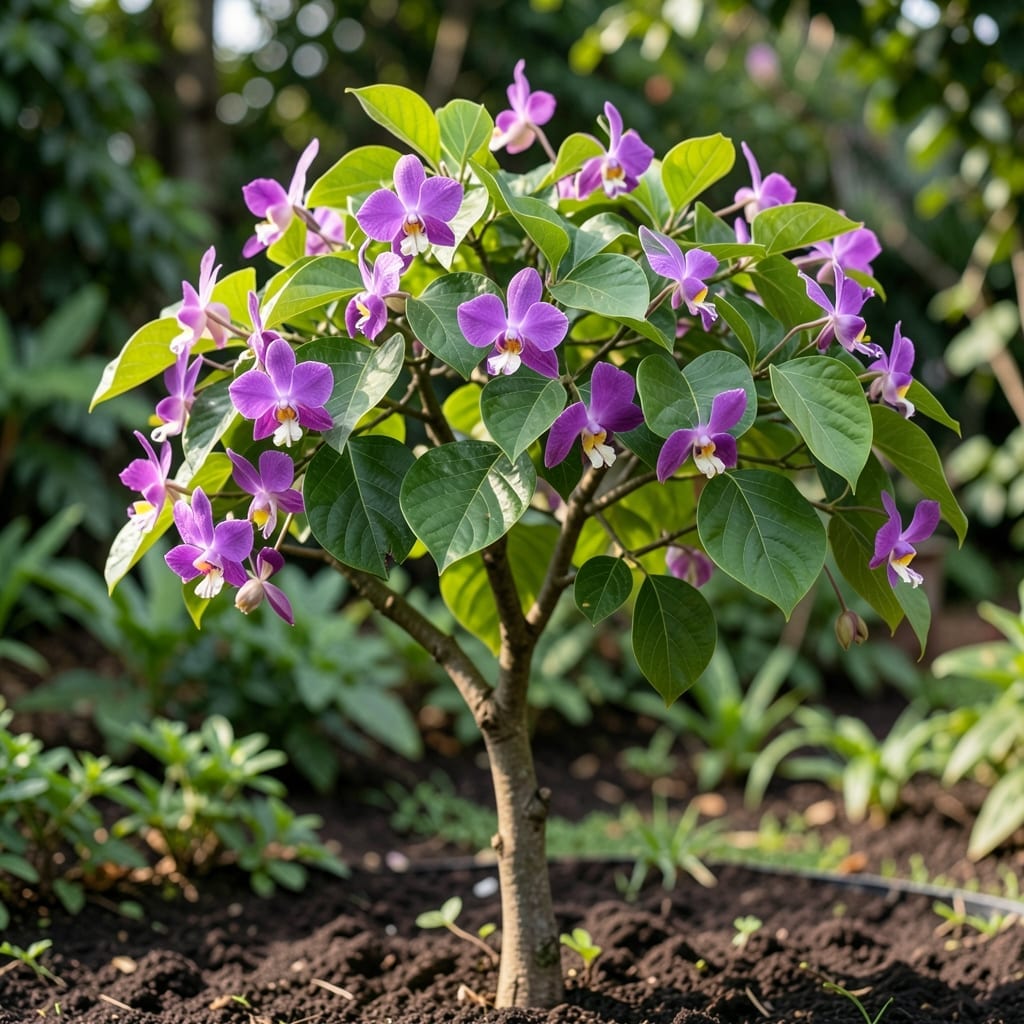
Brown tips on your Bauhinia purpurea leaves aren’t just unsightly—they’re the plant’s way of waving a white flag. I’ve seen this happen when the soil stays soggy for 48+ hours or when the air gets too dry for its tropical roots.
Sometimes it’s too much love: overwatering, over-fertilizing, or even too much direct sun. Other times, it’s not enough—like when the soil lacks the right nutrients. The good news? This is fixable with a few simple adjustments.
You’ll start seeing new growth in 2-3 weeks once you dial in the right balance. The key is matching care to what this plant naturally expects in its native habitat.
Works for container-grown plants, in-ground specimens, and even those struggling after a recent transplant.
Brown spots on the tips of Bauhinia purpurea leaves often signal underlying issues that disrupt the plant’s health. Below are the most common causes, explained with actionable insights.
Extreme temperatures, low humidity, or sudden drafts can cause tip burn. Bauhinia purpurea thrives in warm, stable climates (65–85°F). When exposed to cold drafts or dry air, cells at the leaf tips desiccate, leading to brown, crispy patches. Action: Maintain consistent temperatures and mist leaves to boost humidity.
Both underwatering and overwatering trigger tip browning. Underwatering causes dehydration, while overwatering suffocates roots, reducing nutrient uptake. Check soil moisture 1–2 inches deep—water only when dry. Ensure pots have drainage holes to prevent root rot.
Lack of magnesium, potassium, or calcium often manifests as marginal browning. Magnesium deficiency starts as yellowing between veins, progressing to brown tips. Potassium shortages cause scorched edges. Action: Use a balanced fertilizer (e.g., 10-10-10) or supplement with Epsom salt (for magnesium) or wood ash (for potassium).
Pathogens like Colletotrichum (anthracnose) or Phyllosticta cause dark, spreading spots. These thrive in wet foliage or poor air circulation. Action: Remove infected leaves, improve airflow, and apply copper-based fungicides preventively.
Excess salts from tap water or over-fertilization accumulate at leaf tips, drawing moisture out and causing necrosis. Flush soil with distilled water monthly to leach out salts. Switch to rainwater or filtered water for irrigation.
Here’s how to tackle brown spots on your Bauhinia purpurea, mapped to the most likely causes:
If under- or overwatering is the culprit, adjust your routine. Water deeply when the top 1-2 inches of soil feel dry, but ensure pots have drainage holes to prevent soggy roots. Prevention tip: 💡 Use a moisture meter to avoid guesswork.
Yellowing tips with brown edges often signal a potassium or magnesium shortage. Apply a balanced, slow-release fertilizer (10-10-10) every 6-8 weeks during growing season. For quick fixes, use a liquid potassium supplement. Prevention tip: 🌱 Test soil annually and amend with compost for long-term health.
Move potted plants to a spot with bright, indirect light (4-6 hours daily). If leaves scorch, provide afternoon shade. For indoor plants, rotate them weekly for even light distribution. Prevention tip: 🔥 Acclimate plants gradually to new light conditions.
Inspect leaves for pests like aphids or fungal spots. Spray with neem oil (1 tbsp/gallon of water) weekly until symptoms fade. Remove heavily damaged leaves to stop spread. Prevention tip: ✨ Prune regularly to improve air circulation and avoid overhead watering.
White crust on soil or leaf edges? Flush the soil with distilled water until it drains freely. Repot every 2-3 years with fresh soil to reset salt levels. Prevention tip: 💧 Use rainwater or filtered tap water for sensitive plants.
Yes, overwatering suffocates roots, reducing their ability to absorb nutrients. This often leads to brown, crispy tips as the plant struggles to hydrate properly. Always check soil moisture 1-2 inches deep before watering.
Fungal spots usually appear as dark, spreading patches, often with a yellow halo. They thrive in wet foliage or poor airflow. Remove infected leaves and apply a copper-based fungicide to prevent spread.
Yes, pruning removes damaged tissue and improves air circulation. Use clean shears to cut back to healthy growth. This also prevents the spread of disease and encourages new, healthy foliage.
Use a balanced, slow-release fertilizer like 10-10-10 every 6-8 weeks during the growing season. For quick fixes, liquid supplements can address specific shortages like potassium or magnesium.