
Beautiful Plants For Your Interior
Beautiful Plants For Your Interior
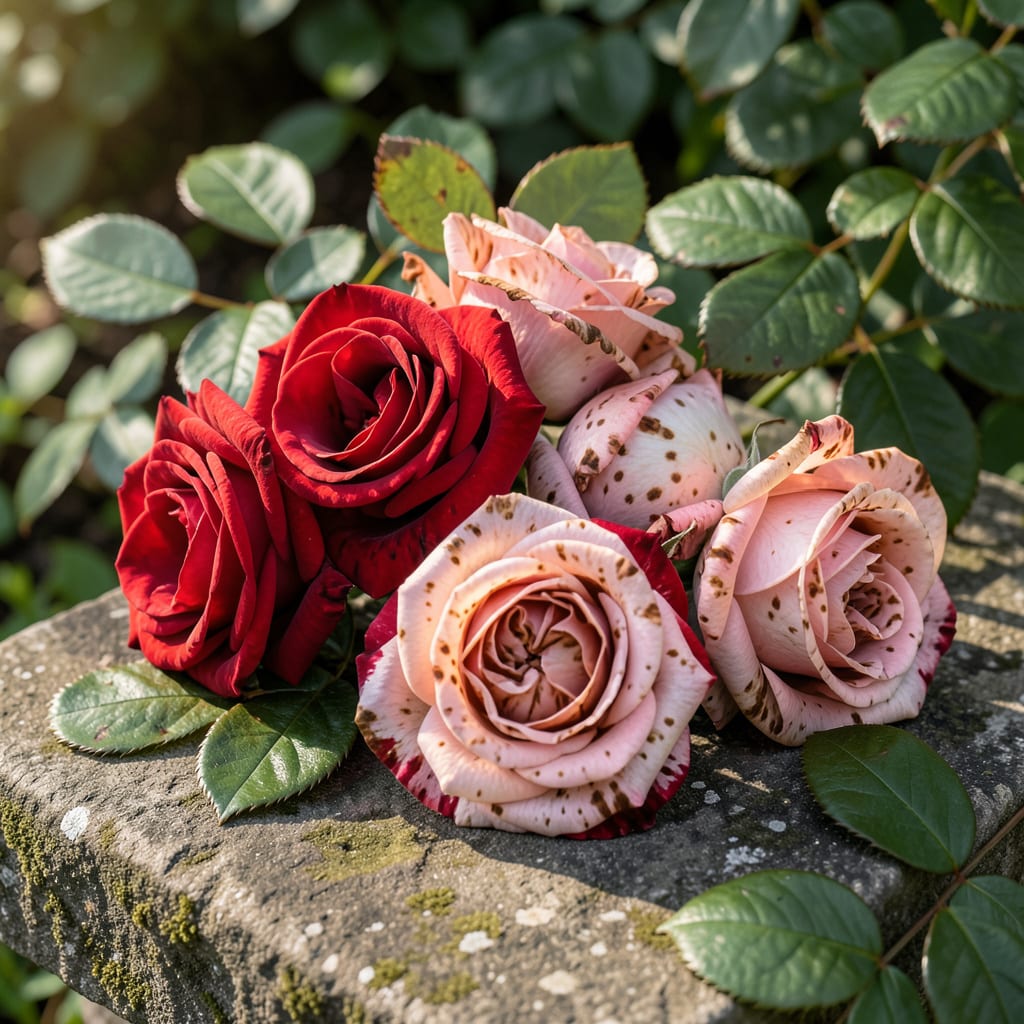
Those ugly brown spots on your roses aren’t just unsightly—they’re a warning sign. I’ve lost count of how many bushes I saved by catching this early.
Most cases trace back to black spot fungus, which spreads fast in wet, humid conditions. Leaves develop circular brown patches with yellow halos, then drop prematurely. Without intervention, it weakens the entire plant.
Here’s the thing—prevention beats any cure. Proper spacing, morning watering, and removing infected leaves stops the cycle. I cleaned up my garden’s airflow and saw immediate improvement.
For active infections, organic sprays like neem oil work, but chemical fungicides deliver faster results. Either way, consistency is key to keeping your roses thriving.
Brown spots on roses are often a sign of underlying issues, ranging from fungal infections to environmental stressors. Understanding the root causes helps you address the problem effectively.
Fungi like Diplocarpon rosae (causing black spot) thrive in warm, humid conditions. Spores land on wet foliage, germinate, and infect leaves, leading to circular brown or black spots with feathery edges. Poor air circulation and overhead watering exacerbate this.
Water droplets on leaves create a perfect breeding ground for fungi. When roses are watered from above, moisture lingers on the foliage, encouraging spore germination. Always water at the base of the plant to keep leaves dry.
Extreme heat, drought, or sudden temperature swings can weaken roses, making them susceptible to infections. Stress reduces the plant’s natural defenses, allowing pathogens to take hold more easily.
A lack of essential nutrients, particularly potassium or magnesium, can manifest as brown spots. Potassium deficiency often causes leaf margins to turn brown, while magnesium deficiency leads to interveinal chlorosis (yellowing between veins) with brown spotting.
Pests like aphids, thrips, or mites can wound rose leaves, creating entry points for fungi. Their feeding also stresses the plant, lowering its resistance to disease. Inspect leaves regularly for signs of infestation.
Brown spots on your roses can be frustrating, but with the right approach, you can restore their beauty. Below are targeted solutions for the most common causes, along with prevention tips to keep your roses thriving.
Fix: Remove infected leaves immediately to stop the spread. Apply a copper-based fungicide or neem oil every 7–10 days until the spots disappear. For severe cases, use a systemic fungicide like propiconazole.
Prevention: Water at the base of the plant (not the leaves) early in the day so foliage dries quickly. Space roses for good airflow, and clean up fallen leaves to reduce fungal spores.
Fix: Let the soil dry out between waterings. If the roots are soggy, improve drainage by amending the soil with compost or sand. Trim any blackened, mushy roots to prevent rot.
Prevention: Use well-draining soil and water deeply but less frequently. Mulch with organic material to retain moisture without waterlogging.
Fix: Inspect leaves for pests like aphids or spider mites. Blast them off with water or apply insecticidal soap. For stubborn infestations, use horticultural oil.
Prevention: Encourage beneficial insects (e.g., ladybugs) and keep the garden free of debris where pests hide.
Fix: Shield roses from extreme heat or cold with shade cloth or mulch. If sunburn is the issue, move potted roses to a spot with afternoon shade.
Prevention: Plant roses in locations suited to their hardiness zone. Acclimate new plants gradually to outdoor conditions.
💡 Pro Tip: Always sterilize pruning tools with rubbing alcohol between cuts to avoid spreading disease!
Fungal spots are circular with feathery edges, often with yellow halos. Dry leaves look crispy and brown uniformly. Fungal issues spread quickly, while drought damage appears gradually.
Yes, but only if you remove all infected foliage and dispose of it in the trash. Never compost diseased leaves, as spores can survive and reinfect your garden.
For organic options like neem oil, apply every 7-10 days. Chemical fungicides may require 14-day intervals. Always follow label instructions and reapply after rain.
Most bushes recover with proper treatment. Prune heavily if needed, then focus on prevention. Severe cases may take a full growing season to bounce back completely.
