
Beautiful Plants For Your Interior
Beautiful Plants For Your Interior
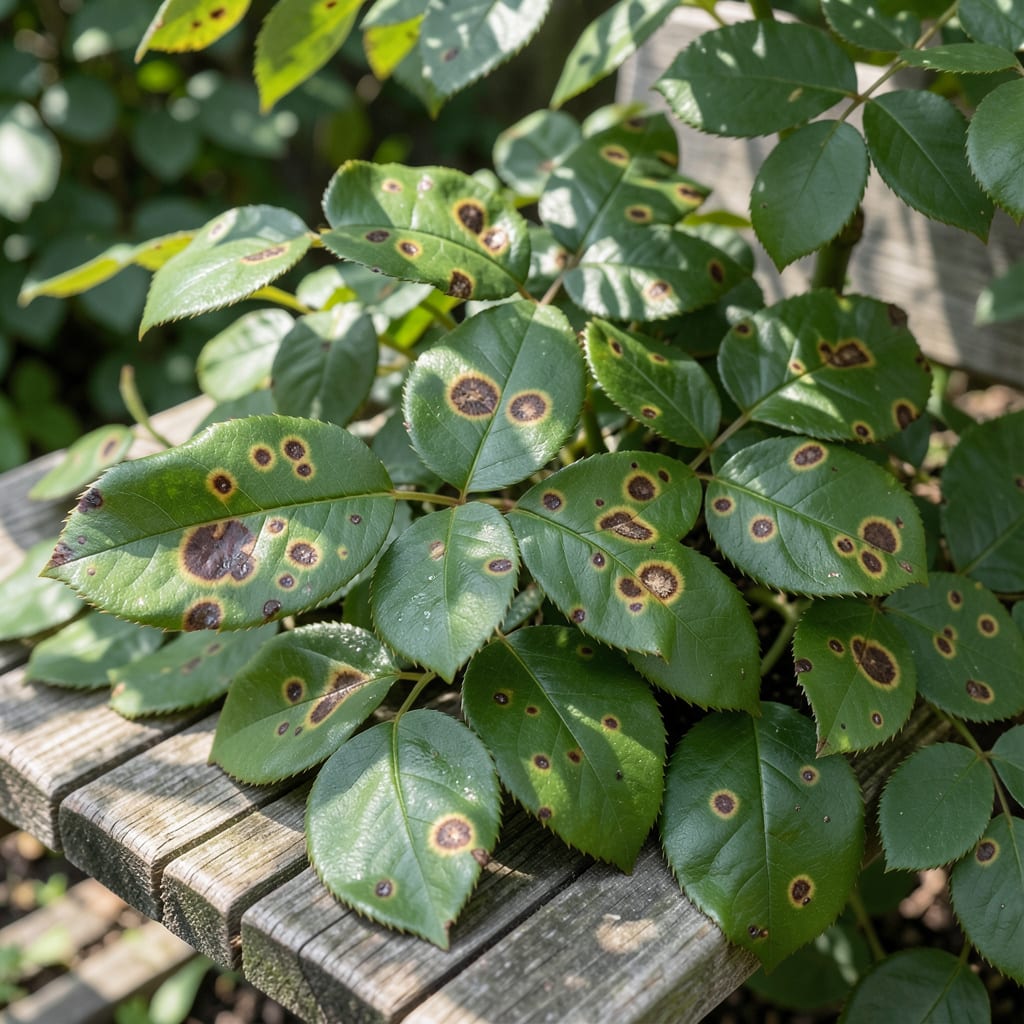
Those brown spots on your rose leaves aren’t just ugly—they’re a warning. I’ve seen perfect bushes turn into skeletal sticks overnight when this issue spreads unchecked.
Most cases trace back to black spot fungus, but overwatering, poor air flow, or even splashing water can trigger it. The good news? It’s 100% treatable with organic fixes you probably have at home.
You’ll stop the spread within a week with the right approach. New leaves emerge clean, and your roses bounce back stronger than before.
Works for all rose types, from climbers to hybrid teas. Here’s exactly how to diagnose and fix it.
Brown spots on rose leaves often signal an underlying issue that disrupts the plant’s health. Below are the most common causes, explained with science-backed clarity to help you diagnose and act.
Fungi like Diplocarpon rosae (black spot) thrive in wet, humid conditions. Spores land on leaves, germinate, and penetrate tissues, causing circular brown or black spots with feathery edges. Anthracnose (Colletotrichum spp.) creates irregular, sunken lesions. Both spread via water splashes and poor air circulation.
Bacteria such as Pseudomonas syringae enter through stomata or wounds, multiplying in leaf tissues. They produce enzymes that break down cell walls, resulting in water-soaked, brown spots with yellow halos. Warm, wet weather accelerates infection.
Tiny pests like spider mites pierce leaf cells to feed, causing stippling that merges into brown patches. Thrips scratch surfaces while feeding, leaving silvery-brown scars. Both weaken the plant, making it more susceptible to secondary infections.
Heat scorching, drought, or overwatering can stress roses, leading to cellular damage. Excessive moisture (e.g., overhead watering) promotes fungal growth, while drought causes leaf edges to brown and crisp. Poor soil drainage may also contribute to root rot, manifesting as leaf discoloration.
Lack of essential nutrients like magnesium (interveinal chlorosis turning brown) or potassium (leaf margin necrosis) can cause spot-like symptoms. A soil test can confirm imbalances, guiding targeted fertilization.
Brown spots on your rose bush leaves can often be treated with simple, targeted solutions. Below are the most effective fixes for each common cause, along with prevention tips to keep your roses thriving.
Fix: Remove and destroy infected leaves to prevent spread. Apply neem oil or a baking soda spray (1 tsp baking soda + 1 quart water + a few drops of dish soap) every 7–10 days. For severe cases, use a copper-based fungicide.
Prevention: Water at the base of the plant (avoid wetting leaves) and ensure good air circulation. Space bushes at least 3 feet apart.
Fix: Blast pests off with a strong stream of water. Apply insecticidal soap or horticultural oil weekly until gone. Introduce beneficial insects like ladybugs for natural control.
Prevention: Inspect leaves regularly (especially undersides) and encourage biodiversity in your garden to deter pests.
Fix: Reduce watering frequency and ensure the soil drains well. If the soil is soggy, amend it with compost or sand. Trim affected leaves to redirect the plant’s energy.
Prevention: Water deeply but infrequently (1–2 times per week, depending on climate). Use mulch to retain moisture without waterlogging.
Fix: Provide afternoon shade for sensitive varieties. Increase watering during heatwaves, but avoid overhead sprinkling. Trim damaged leaves to encourage new growth.
Prevention: Plant roses in locations with partial shade if you live in a hot climate. Use shade cloth during extreme heat.
Fix: Test your soil and amend with a balanced rose fertilizer (e.g., 10-10-10) or organic options like compost or fish emulsion. Yellowing leaves with brown spots often indicate a magnesium deficiency—use Epsom salt (1 tbsp per gallon of water) as a foliar spray.
Prevention: Feed roses every 4–6 weeks during the growing season and mulch with organic matter to improve soil health.
Yes, overwatering or poor drainage can lead to brown spots. Soggy soil promotes fungal growth and root stress, which manifests as leaf discoloration. Ensure your roses have well-draining soil.
Pruning infected leaves prevents the spread of fungal or bacterial issues. Always sanitize your pruners between cuts to avoid contaminating healthy parts of the plant.
Yes! A baking soda spray (1 tsp baking soda + 1 quart water + dish soap) works well against fungal spots. Apply every 7–10 days for best results.
Fungal spots often have feathery edges or concentric rings, while bacterial spots appear water-soaked with yellow halos. When in doubt, treat for fungus first—it’s the most common culprit.
