
Beautiful Plants For Your Interior
Beautiful Plants For Your Interior
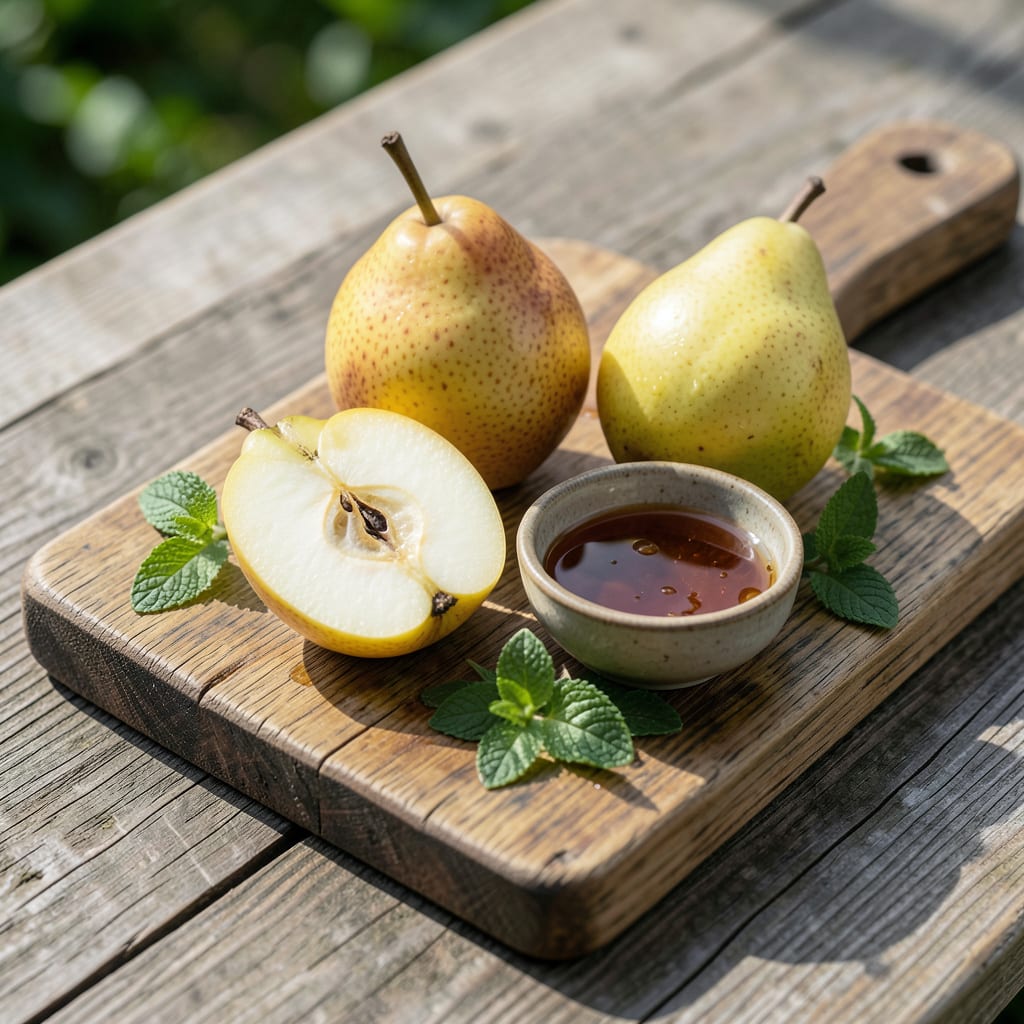
Nothing ruins harvest excitement like finding brown spots on your pears. I’ve lost entire crops to this before learning the patterns—some appear overnight, others spread slowly, but all signal trouble for your tree and fruit.
These spots usually mean one of three things: fungal scab, bacterial blight, or environmental stress. Each leaves a distinct mark, from rough scabs to water-soaked patches, and tells you exactly where to start fixing the problem.
The good news? Organic solutions work. Better air flow, timely pruning, and copper sprays can turn things around. The key is catching it early before it spreads to next year’s crop.
I’ll walk you through identifying the culprit and stopping it in its tracks—no harsh chemicals needed.
Brown spots on pears can stem from several factors, often tied to environmental stress, diseases, or post-harvest conditions. Below are the most common causes, explained with actionable insights.
Fungi like Alternaria or Stemphylium thrive in warm, humid conditions, leading to dark, sunken spots on pear skins. These pathogens often enter through wounds or weak tissue, spreading rapidly in poorly ventilated storage. Preventive measure: Ensure proper air circulation during storage and apply copper-based fungicides before symptoms appear.
Extreme heat or cold can cause chilling injury or scald, manifesting as brown, leathery patches. Pears stored below 30°F (-1°C) or exposed to sudden temperature swings are especially vulnerable. Fix: Store pears at a consistent 30–32°F (-1–0°C) with 90–95% humidity to minimize stress.
A lack of calcium disrupts cell wall integrity, leading to bitter pit—small, brown, corky spots beneath the skin. This often occurs in fast-growing fruit or soils with low calcium availability. Solution: Apply calcium sprays (e.g., calcium chloride) during the growing season, especially in sandy or acidic soils.
Bruising or punctures from handling, pests, or hail can create entry points for decay organisms, resulting in localized browning. Tip: Harvest pears carefully, and inspect them for injuries before storage. Use padded containers to reduce impact damage.
As pears ripen, enzymatic browning (caused by polyphenol oxidase) can develop, especially in varieties like Anjou or Bartlett. This is a natural oxidative process but can be accelerated by ethylene exposure. Slow it down: Store pears separately from ethylene-producing fruits (e.g., apples, bananas) and refrigerate promptly.
Dealing with brown spots on pears can be frustrating, but the right approach can save your harvest. Below are targeted solutions based on the most common causes, along with prevention tips to keep your pears healthy.
If the spots are due to fungal diseases like scab or brown rot, act fast. Prune and remove infected fruits or branches to stop the spread. Apply an organic fungicide such as copper soap or neem oil, following the product instructions. For prevention, improve air circulation by thinning branches and avoiding overhead watering.
When pests like codling moths or aphids cause brown spots, start by picking off visible insects by hand. Introduce beneficial insects like ladybugs or use organic insecticidal soap. To prevent future infestations, use horticultural oil in dormant seasons and install pest traps early in the growing period.
Yellowing leaves with brown spots may signal a calcium or boron deficiency. Test your soil and amend it with lime (for calcium) or borax (for boron), but use sparingly. Prevent deficiencies by regularly adding compost and maintaining balanced soil pH (6.0–7.0).
Brown spots from sunburn or drought stress can be fixed by providing shade cloth during peak sun hours and ensuring consistent watering (1–2 inches per week). Mulch around the base to retain moisture. Prevention is key—plant in well-draining soil and avoid waterlogging.
Pro tip 💡: Always sanitize pruning tools with rubbing alcohol to avoid spreading diseases between cuts. Healthy trees are your best defense!
Yes, if caused by fungal or bacterial infections. Remove affected pears immediately and store the rest separately to prevent contamination.
Most are safe if the flesh beneath the spot is firm and odor-free. Discard any with mushy or foul-smelling areas, as these may indicate rot.
Prune trees for better airflow, apply organic fungicides preventively, and maintain consistent moisture. Proper spacing and hygiene reduce most risks.
