
Beautiful Plants For Your Interior
Beautiful Plants For Your Interior
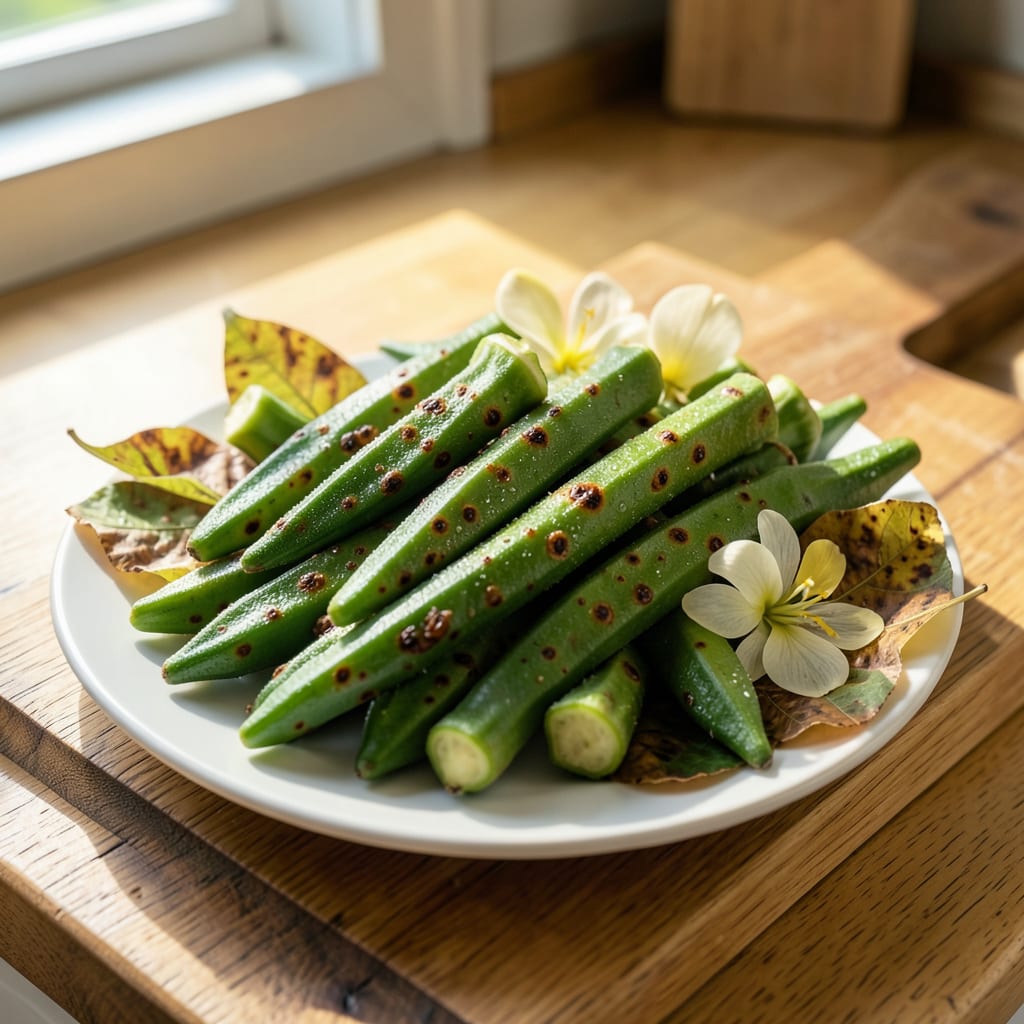
Brown spots on okra leaves always signal trouble, but they’re not a death sentence. I’ve saved countless plants by catching these early and acting fast.
Most cases stem from fungal issues, pests, or environmental stress—each leaves a distinct pattern. The key is learning to read those clues like a plant detective before the problem spreads.
With the right approach, you’ll see new growth return vibrant green within 2-3 weeks. Healthy plants recover quickly when you address the root cause, not just the symptoms.
Works for backyard gardens, raised beds, or container okra. Here’s how to diagnose and fix it.
Brown spots on okra leaves often signal underlying issues that disrupt the plant’s health. Below are the most common causes, explained with actionable insights.
Pathogens like Alternaria or Cercospora thrive in warm, humid conditions, leading to circular or irregular brown lesions. These fungi spread via spores in water or wind. Overhead irrigation and poor air circulation exacerbate the problem. Action: Remove infected leaves, avoid wetting foliage, and apply copper-based fungicides preventively.
Sap-sucking insects such as aphids, spider mites, or whiteflies pierce leaf tissues, causing stippling or necrotic (brown) spots. Their feeding also introduces secondary infections. Action: Inspect leaf undersides for pests. Use insecticidal soap or neem oil for early infestations.
Both underwatering and overwatering can trigger brown spots. Drought stress leads to leaf scorch, while waterlogged roots restrict nutrient uptake, causing margined or scattered brown patches. Action: Maintain consistent soil moisture (1–1.5 inches of water weekly) and ensure well-draining soil.
Potassium or magnesium deficiencies often manifest as interveinal brown spotting, especially on older leaves. Poor soil fertility or imbalanced pH (okra prefers 6.0–7.5) limits nutrient availability. Action: Test soil and amend with compost or a balanced fertilizer (e.g., 10-10-10) as needed.
Intense sunlight or heatwaves can cause sunscald, resulting in dry, papery brown spots on exposed leaves. Similarly, herbicide drift or chemical burns from foliar sprays may create localized necrosis. Action: Provide afternoon shade in extreme heat and avoid spraying during high temperatures.
Addressing brown spots on okra leaves starts with identifying the cause and applying targeted solutions. Below are practical fixes for common issues, along with prevention tips to keep your plants thriving.
If the spots are circular with a yellow halo, fungal diseases like alternaria or anthracnose may be the culprit. Remove infected leaves immediately to prevent spread. Apply a copper-based fungicide or a homemade spray of 1 tsp baking soda + 1 quart water + a few drops of dish soap. Reapply every 7–10 days or after rain.
Prevention: Improve air circulation by spacing plants 12–18 inches apart. Water at the base in the morning to allow foliage to dry quickly. 💡 Pro tip: Rotate crops yearly to avoid soil-borne fungi.
Pests like aphids, spider mites, or stink bugs cause irregular brown spots. Inspect the undersides of leaves for tiny bugs or webbing. Blast them off with a strong stream of water, or use insecticidal soap or neem oil (apply in the evening to avoid leaf burn). For severe infestations, introduce beneficial insects like ladybugs.
Prevention: Plant companion herbs like basil or marigolds to repel pests. 🎯 Pro tip: Regularly check leaves to catch pests early.
Under- or overwatering can cause brown, crispy spots. Okra needs 1–1.5 inches of water per week. If the soil is bone-dry or soggy, adjust your schedule. Mulch with straw to retain moisture and prevent splash-related fungal spread.
Prevention: Use drip irrigation to deliver water directly to the roots. 🌡️ Pro tip: Stick your finger 2 inches into the soil—if it’s dry, it’s time to water.
Yellowing leaves with brown spots may signal a magnesium or potassium deficiency. Apply a balanced fertilizer (10-10-10) or work compost into the soil. For quick fixes, use a foliar spray of 1 tbsp Epsom salt per gallon of water for magnesium.
Prevention: Test soil before planting and amend as needed. ✨ Pro tip: Side-dress with compost mid-season for a nutrient boost.
Yes, overwatering leads to root rot, which restricts nutrient flow and creates brown patches. Ensure soil drains well and water only when the top 2 inches feel dry.
Check leaf undersides for tiny bugs or webbing. Sap-sucking pests like aphids leave irregular brown spots. Use neem oil or insecticidal soap for control.
If fungal, yes—spores travel via wind or water. Remove infected leaves immediately and avoid overhead watering. Copper fungicide can prevent further spread.
Magnesium or potassium shortages often show as yellowing with brown spots. Amend soil with compost or a balanced fertilizer.
