
Beautiful Plants For Your Interior
Beautiful Plants For Your Interior
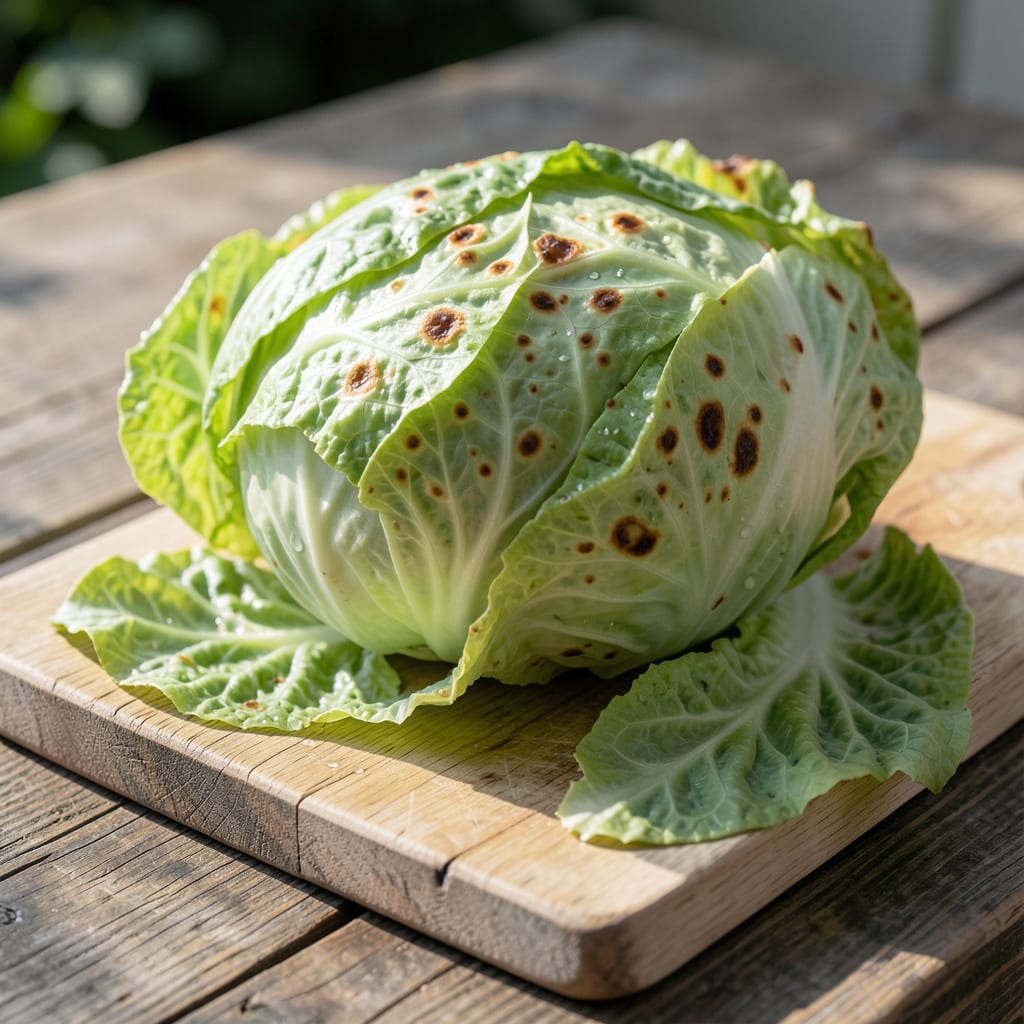
Nothing ruins a crisp head of iceberg faster than those first brown spots appearing. I’ve lost entire crops to this issue before learning the early warning signs.
These spots often start small and dark, growing into sunken lesions that spread across leaves. The culprits range from fungal infections to water stress, but catching them early makes all the difference.
With the right cultural practices and simple preventative measures, you can keep your lettuce spot-free through the growing season. Proper spacing, consistent watering, and morning inspections are game-changers.
Even in humid climates or crowded beds, these techniques work to protect your harvest. Here’s how to spot trouble before it spreads.
Brown spots on iceberg lettuce can stem from several key factors, often tied to growing conditions or post-harvest handling. Below are the most common causes and their scientific explanations.
Fungi like Botrytis cinerea (gray mold) or Alternaria thrive in damp, poorly ventilated environments. These pathogens produce enzymes that break down lettuce tissue, creating brown, water-soaked lesions. High humidity (above 85%) and temperatures between 60–75°F (15–24°C) accelerate their growth.
A lack of calcium disrupts cell wall integrity, leading to tip burn—a condition where leaf edges turn brown and crisp. Iceberg lettuce, a fast-growing crop, requires consistent calcium uptake. Uneven watering or cold soil (below 50°F/10°C) can hinder nutrient absorption, exacerbating the issue.
Bruising or crushing during harvest, transport, or storage ruptures cells, triggering enzymatic browning. The enzyme polyphenol oxidase (PPO) reacts with oxygen, oxidizing phenolics into dark pigments. Even slight pressure (e.g., stacking heavy items on top) can initiate this process.
Exposure to extreme heat (above 80°F/27°C) or cold (below 32°F/0°C) stresses the lettuce, causing cellular breakdown. Heat stress accelerates respiration, depleting sugars and leading to discoloration, while frost damage collapses cell structures, resulting in mushy brown patches.
Here’s how to tackle brown spots on your iceberg lettuce, broken down by cause and solution:
If the spots are soft and fuzzy, discard the affected leaves immediately to prevent spread. For the rest of the head, rinse under cold water and pat dry with a clean towel. Store in a paper bag in the fridge to reduce moisture. Prevention tip: 💡 Keep lettuce dry and ensure proper airflow in storage.
For slimy, smelly spots, throw out the entire head—this bacteria spreads fast. Clean your fridge’s vegetable drawer with vinegar or baking soda to disinfect. Prevention tip: 🎯 Avoid overcrowding lettuce in storage and wash only before use, not before storing.
If spots are dry and papery, trim them off with a clean knife. Revive wilted leaves by soaking in ice water for 10–15 minutes. Prevention tip: ✨ Store lettuce unwashed in a sealed container with a paper towel to absorb excess moisture.
Inspect leaves for tiny holes or bugs. Rinse thoroughly under cold water and soak in a saltwater bath (1 tsp salt per quart of water) for 10 minutes to remove pests. Prevention tip: 🌡️ Buy from reputable sources and check produce before storing.
For bruised or crushed spots, simply cut them away. Handle lettuce gently to avoid further damage. Prevention tip: 🥘 Store lettuce on a middle fridge shelf where it’s less likely to get bumped or squished.
If the spots are small and dry, you can trim them off and eat the rest. Avoid any lettuce with slimy or smelly brown areas—this indicates bacterial growth.
Post-harvest browning often results from ethylene gas exposure or temperature fluctuations. Store lettuce in a cool, dry place to minimize this.
Yes! Keep lettuce unwashed in a sealed container with a paper towel to absorb moisture. This reduces fungal growth and keeps leaves crisp for 5-7 days.
Check the outer leaves first, as they’re most exposed. Look for tiny dark specks or wilting edges—these often develop into larger spots.
