
Beautiful Plants For Your Interior
Beautiful Plants For Your Interior
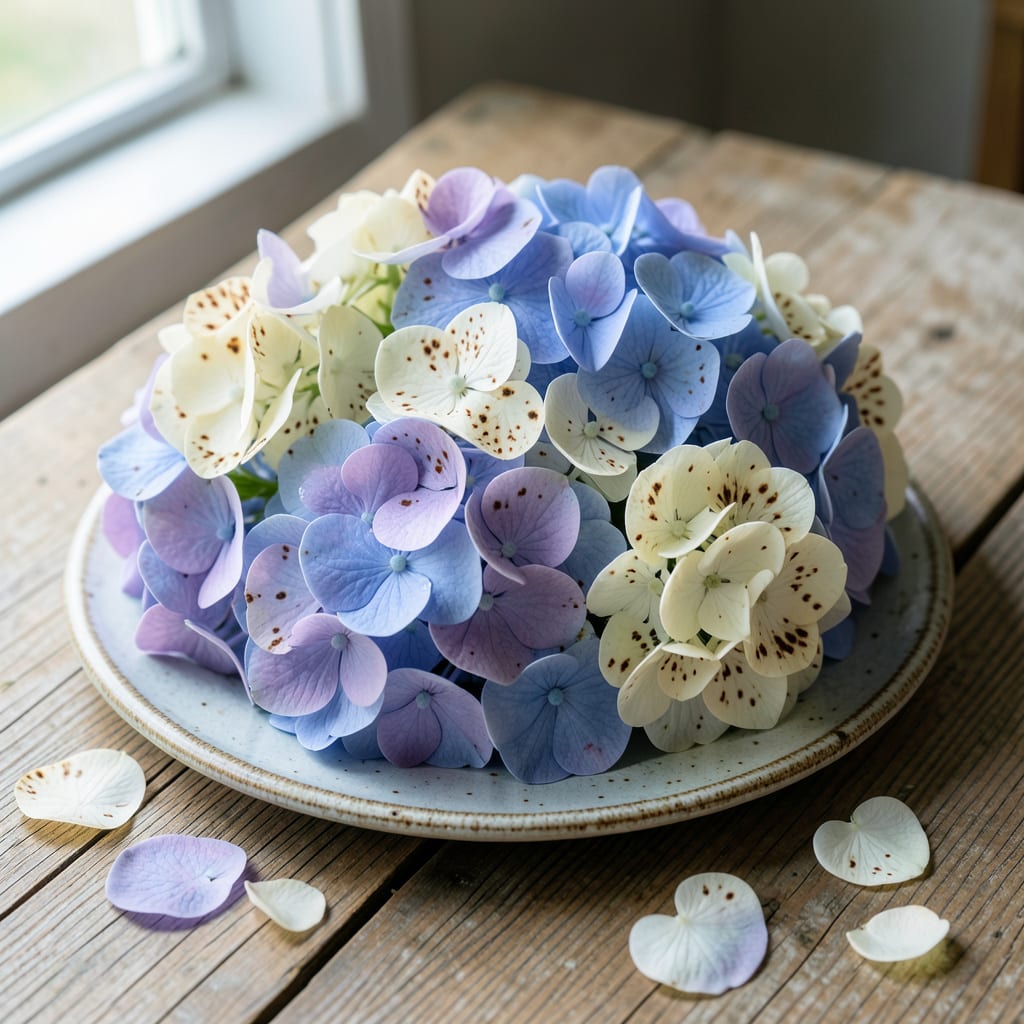
Those brown spots on your hydrangea petals aren’t just unsightly—they’re a warning sign. I’ve seen this exact pattern in my garden, and it usually means one of three things: fungus, water stress, or nutrients gone rogue.
The good news? It’s fixable. Most cases trace back to overhead watering or poor air circulation, both of which invite fungal parties. A quick adjustment to your routine can stop the spread in its tracks.
With the right approach, your hydrangeas can bounce back faster than you’d expect. I’ve rescued mine in 2-3 weeks with simple tweaks—no fancy equipment required.
Let’s figure out which culprit you’re dealing with and how to show it the door for good.
Brown spots on hydrangea petals often stem from environmental stress, pathogens, or cultural mismanagement. Here’s a breakdown of the most common causes:
Cercospora and Anthracnose are frequent culprits. These fungi thrive in warm, humid conditions, especially when plants lack proper airflow. Spores land on petals, germinate, and create circular or irregular brown spots with darker edges. Overhead watering worsens the issue by prolonging leaf wetness.
Overwatering or poorly draining soil leads to root rot, which can manifest as brown spots on petals due to nutrient uptake disruption. Conversely, drought stress causes cellular damage, leading to scorched, brown edges or patches. Hydrangeas prefer consistently moist but well-drained soil.
Hydrangeas, particularly Hydrangea macrophylla (bigleaf varieties), are sensitive to intense sunlight. Prolonged exposure to direct sun—especially in hot climates—can scorch petals, creating crispy brown spots. This is common in plants grown in full sun without afternoon shade.
A lack of calcium or magnesium may cause necrotic spotting on petals. These nutrients are vital for cell wall integrity and chlorophyll production. Test your soil if spots appear alongside yellowing leaves or stunted growth.
Though less common, pests like spider mites or aphids can damage petals, leading to brown discoloration. Their feeding disrupts plant tissues, and their honeydew residue can promote sooty mold, which further stresses the plant.
Brown spots on your hydrangea petals can be frustrating, but they’re often fixable with the right approach. Below are targeted solutions for the most common causes, along with prevention tips to keep your blooms vibrant. 🌸
If the spots are caused by Cercospora or Alternaria fungi, start by pruning affected leaves and petals using sterilized shears to prevent spreading. Dispose of the debris in the trash—not compost. Apply a copper-based fungicide or neem oil every 7–10 days until symptoms fade. Prevention tip: Space plants for airflow and water at the base to keep foliage dry. 💡
Soggy roots lead to stress and fungal growth. Let the top inch of soil dry between waterings, and ensure pots have drainage holes. For in-ground hydrangeas, amend heavy clay soil with compost. Prevention tip: Use a moisture meter to avoid guesswork, and mulch with bark to retain even moisture. ✨
If spots appear after intense sunlight, especially on younger plants, move potted hydrangeas to partial shade or use shade cloth. In-ground plants benefit from dappled light under taller trees. Prevention tip: Acclimate new plants gradually to full sun and keep them well-hydrated during heatwaves. 🌡️
Check undersides of leaves for aphids or spider mites. Blast them off with water or use insecticidal soap. For stubborn infestations, apply horticultural oil. Prevention tip: Encourage ladybugs and lacewings—natural predators—by planting companion flowers like marigolds. 🎯
Consistency is key! Most hydrangeas bounce back quickly once the underlying issue is addressed. Keep an eye on new growth for early signs of trouble.
Yes, overwatering creates soggy roots and invites fungal growth. Let the top 1 inch of soil dry between waterings, and always use pots with drainage holes.
Fungal spores can travel via wind or splashing water. Remove affected petals immediately and avoid overhead watering to prevent spreading to nearby plants.
With proper treatment, most hydrangeas show improvement in 2-3 weeks. Consistently healthy new growth indicates the issue is resolved.
