
Beautiful Plants For Your Interior
Beautiful Plants For Your Interior
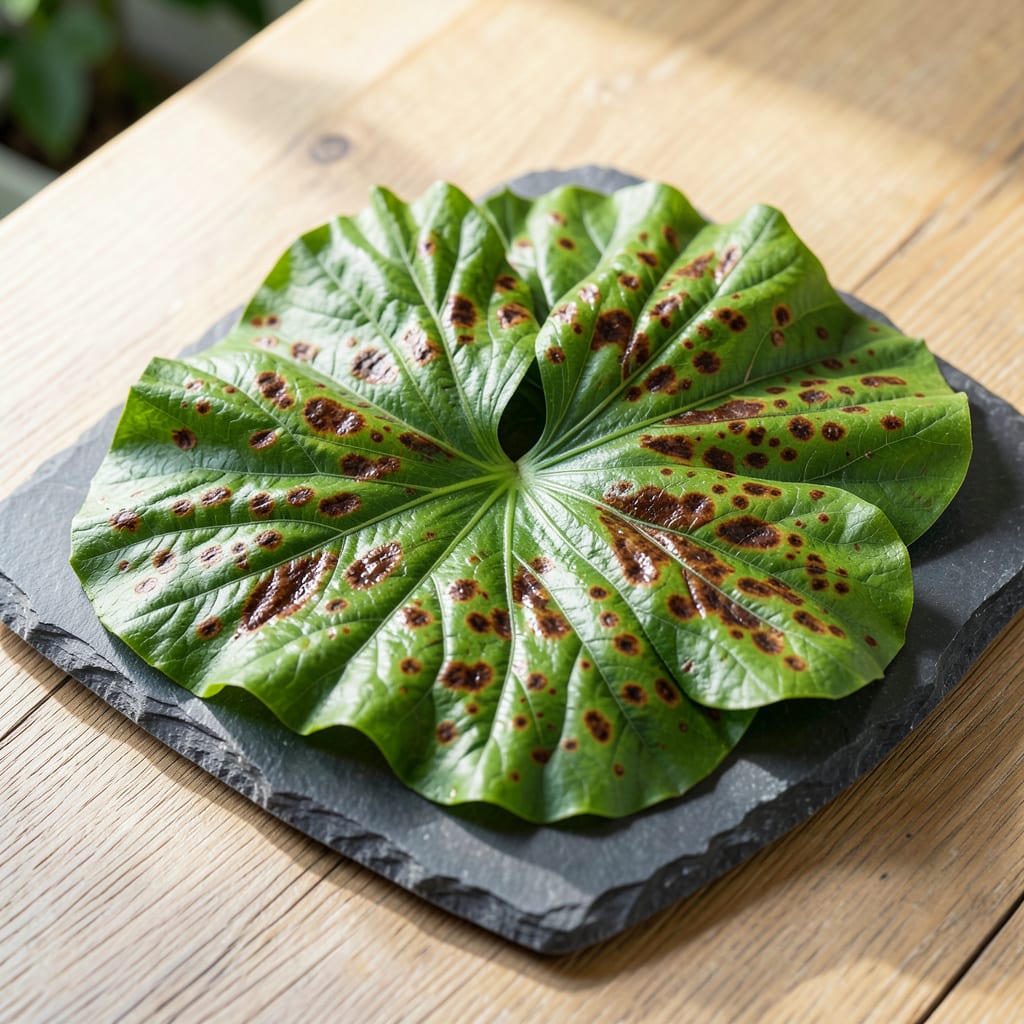
Those brown spots on your hibiscus aren’t just ugly—they’re your plant’s distress signal. I’ve seen this exact pattern before: first the yellow halos, then the crispy edges, then the slow decline of what should be vibrant green foliage.
Nine times out of ten, it’s either fungus thriving in wet conditions or nutrients playing hard to get in your soil. The good news? Both are fixable with the right approach. I saved my grandmother’s decades-old hibiscus with three simple adjustments.
Within 2-3 weeks of treatment, new growth emerges clean and healthy. The existing spots won’t disappear, but they’ll stop spreading while fresh leaves come in spot-free. Your plant starts looking like itself again.
Works for potted plants, garden shrubs, even tropical varieties. Here’s how to diagnose what’s actually happening and stop it for good.
Brown spots on hibiscus leaves often signal underlying stress or disease. Here are the most common causes, explained with actionable insights:
Fungi like Cercospora or Alternaria thrive in warm, humid conditions, creating circular brown spots with yellow halos. Overhead watering or poor air circulation accelerates their spread. Fix: Remove infected leaves, improve airflow, and apply copper-based fungicides.
Sap-sucking pests (e.g., aphids, thrips) weaken leaves, causing brown, necrotic spots. Check leaf undersides for tiny insects or sticky residue (honeydew). Fix: Blast pests off with water or use insecticidal soap.
Extreme heat, cold drafts, or inconsistent watering trigger leaf scorch—brown, crispy edges or spots. Hibiscus prefers stable moisture and temperatures between 60–85°F. Fix: Mulch roots, water deeply at soil level, and shield from harsh winds.
Deficiencies in potassium or magnesium cause interveinal browning (spots between veins). Over-fertilization can also burn roots, leading to leaf discoloration. Fix: Test soil pH (ideal: 6.0–7.0) and adjust with balanced fertilizer.
Tackling brown spots on your hibiscus starts with pinpointing the cause. Below are targeted fixes for the most common issues, along with prevention tips to keep your plant thriving.
If fungal leaf spot is the culprit, prune affected leaves immediately to stop the spread. Dispose of them in the trash (not compost). Apply a copper-based fungicide or a homemade mix of 1 tsp baking soda + 1 quart water + a drop of dish soap. Spray every 7–10 days until the spots vanish. Prevention tip: 💡 Improve air circulation by spacing plants and watering the base, not the leaves.
For aphids, spider mites, or thrips, blast leaves with water to dislodge them. Follow up with neem oil or insecticidal soap, applying in the early morning or late evening. Repeat every 5–7 days until pests are gone. Prevention tip: 🎯 Inspect leaves weekly and introduce beneficial insects like ladybugs.
Overwatering or drought can both cause brown spots. Check soil moisture 1–2 inches deep—water only when dry. Ensure pots have drainage holes to prevent root rot. For underwatered plants, soak the root ball thoroughly and mulch to retain moisture. Prevention tip: 🌡️ Use a moisture meter to avoid guessing.
Yellowing leaves with brown edges often signal a magnesium or potassium deficiency. Apply a balanced fertilizer (10-10-10) or Epsom salt (1 tbsp/gallon of water) for magnesium. Prevention tip: ✨ Fertilize every 4–6 weeks during growing season, but avoid overdoing it.
If spots appear crispy and only on sun-exposed leaves, move the plant to partial shade or use a shade cloth. Acclimate gradually to brighter light. Prevention tip: 🎯 Hibiscus loves morning sun but may need afternoon protection in hot climates.
Yes! Overwatering leads to root rot, which often shows up as brown spots. Check soil 1-2 inches deep—if it’s soggy, cut back on watering.
Remove infected leaves immediately, then apply a copper-based fungicide or baking soda spray. Repeat every 7-10 days until clear.
Inspect leaf undersides for tiny bugs or sticky residue. If found, blast leaves with water and use neem oil or insecticidal soap.
No, but treatment stops new ones from forming. Fresh growth will be healthy if the underlying issue is resolved.
