
Beautiful Plants For Your Interior
Beautiful Plants For Your Interior
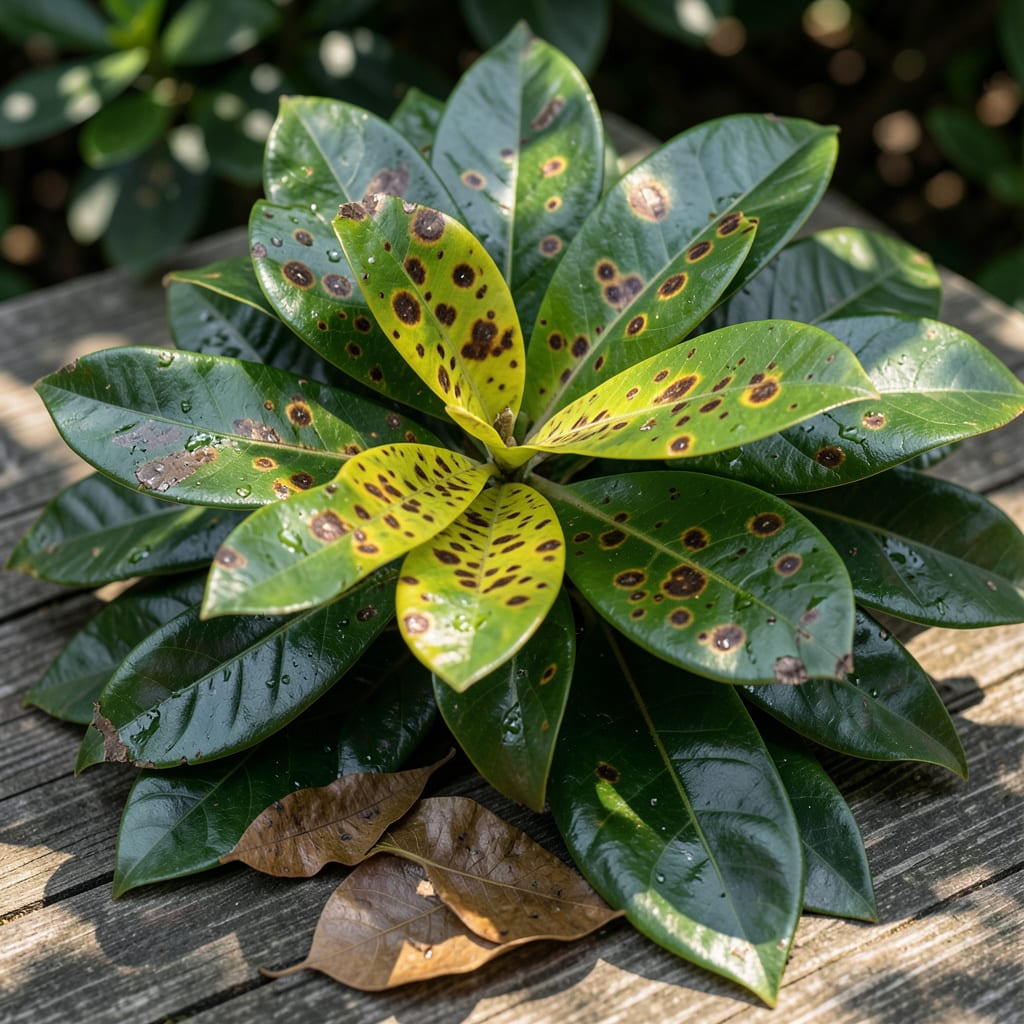
Those brown spots on my gardenia leaves used to send me into a panic. Nutrient issues and fungal infections are the usual culprits, but the fix starts with knowing exactly what you’re dealing with.
I’ve learned the hard way that overwatering creates the perfect breeding ground for fungi, while yellowing between the spots often signals a magnesium deficiency. 3 simple tests can confirm which problem you’re facing before it spreads.
Once identified, the solution is straightforward: adjust your watering routine, apply the right fertilizer, or treat with a natural fungicide. Most gardenias bounce back within 2-3 weeks of consistent care.
Prevention is easier than cure—proper spacing, morning watering, and regular feeding keep these issues from returning. Here’s how to diagnose and treat it for good.
Brown spots on gardenia leaves often signal underlying issues that disrupt the plant’s health. Below are the most common causes, explained with actionable insights.
Fungi like Cercospora or Alternaria thrive in humid, poorly ventilated environments. These pathogens infect leaves, creating circular or irregular brown spots with yellow halos. Overhead watering and dense foliage worsen the problem by keeping leaves wet. Fix: Improve airflow, avoid wetting leaves, and apply a copper-based fungicide.
Both overwatering and underwatering can cause brown spots. Overwatering leads to root rot, reducing the plant’s ability to absorb nutrients, while underwatering causes leaf scorch. Fix: Maintain consistent moisture—water when the top inch of soil feels dry, and ensure pots have drainage holes.
Magnesium or potassium deficiencies often manifest as brown spots, especially between leaf veins. Gardenias prefer acidic soil (pH 5.0–6.0); alkaline soil locks out these nutrients. Fix: Test soil pH and amend with sulfur or chelated iron. Use a balanced, acid-loving plant fertilizer.
Pests like spider mites or scale insects suck sap from leaves, leaving behind brown, necrotic spots. Check the undersides of leaves for webbing or sticky residue. Fix: Spray with neem oil or insecticidal soap, and isolate affected plants to prevent spread.
Addressing brown spots on your gardenia leaves starts with identifying the root cause. Below are targeted solutions for the most common issues, along with prevention tips to keep your plant thriving.
If fungal diseases like leaf spot or root rot are to blame, remove affected leaves immediately to prevent spreading. Apply a copper-based fungicide or neem oil spray, following package instructions. Prevention tip: 💡 Space plants properly for airflow, water at the base (not overhead), and avoid soggy soil by ensuring good drainage.
Yellowing leaves with brown edges often signal overwatering. Let the top 1-2 inches of soil dry out between waterings. Switch to a well-draining potting mix if needed. Prevention tip: ✨ Use a moisture meter or the finger test—stick your finger in the soil to check dryness before watering.
Brown spots from temperature swings or low humidity? Keep gardenias in consistent temps (65–75°F) and away from drafts. Boost humidity with a pebble tray or humidifier. Prevention tip: 🌡️ Mist leaves lightly in dry climates, but avoid excess moisture that invites fungi.
If spots stem from iron or magnesium deficiency, use a chelated iron supplement or Epsom salt solution (1 tbsp per gallon of water) every 2–4 weeks. Test soil pH—gardenia prefer acidic soil (5.0–6.0). Prevention tip: 🎯 Feed with a balanced, acid-loving plant fertilizer monthly during growing season.
Look for circular brown spots with yellow halos. These often appear on lower leaves first and spread in humid conditions. Fungal issues worsen with overhead watering or poor airflow.
Yes! Overwatering leads to root rot, which prevents nutrient uptake. You’ll see yellowing leaves with brown edges. Let the top 1-2 inches of soil dry between waterings.
Apply chelated iron or Epsom salt solution every 2-4 weeks. Test soil pH first—gardenia need acidic soil (5.0–6.0) to absorb nutrients properly.
Remove spotted leaves immediately to stop the spread. Use clean shears and disinfect between cuts. This works for both fungal and pest-related damage.
