
Beautiful Plants For Your Interior
Beautiful Plants For Your Interior
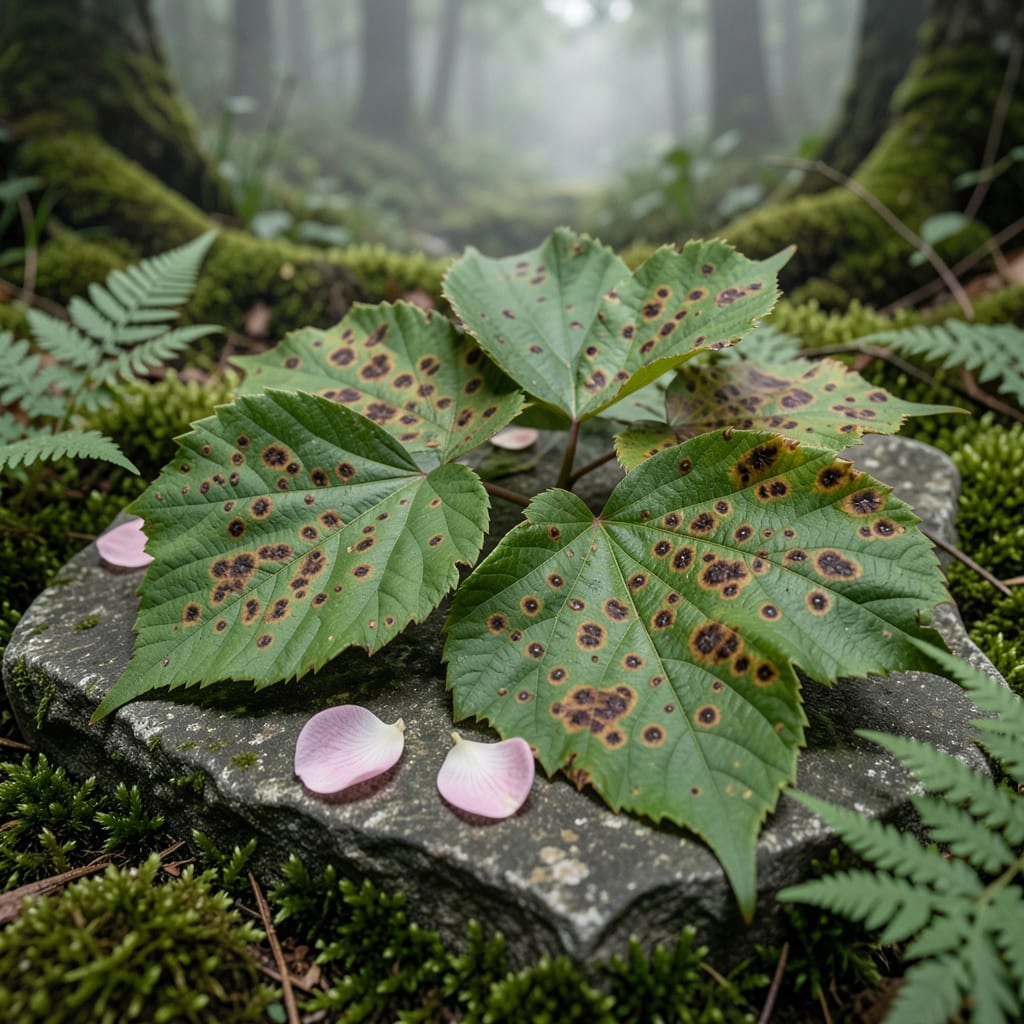
Those brown spots on your dogwood leaves aren’t just unsightly—they’re a warning sign. I’ve seen anthracnose turn a healthy tree into a skeleton in one wet season.
The culprit is usually a fungus that thrives in damp, cool conditions. Left unchecked, it spreads fast, defoliating branches and weakening the tree over time. Early action saves years of growth.
You’ll spot the difference between anthracnose and other issues by the pattern—irregular brown or purple-edged patches, often along veins. Catching it early means less damage and faster recovery.
Simple fixes like improving airflow, removing fallen leaves, and applying fungicide at the right time can turn things around. Here’s how to stop it in its tracks.
Brown spots on dogwood leaves often stem from environmental stressors or fungal infections. Below are the most common causes, explained simply but scientifically.
Discula destructiva and Elsinoë corni are the primary fungal pathogens behind anthracnose in dogwoods. These fungi thrive in cool, wet conditions, infecting leaves through water-splashed spores. The spots start as small, purplish-brown lesions, expanding into irregular, tan-to-brown patches with dark borders. Left untreated, severe infections can defoliate the tree and weaken it over time.
Overhead watering, poor drainage, or prolonged rainy weather creates a humid microclimate that encourages fungal growth. Dogwood leaves with constant moisture (especially in spring) are prime targets for spore germination. Even non-fungal brown spots can appear due to edema—cell rupture from water pressure in high-humidity, low-light conditions.
Extreme heat or drought causes scorch, where leaf edges and tips turn brown and crisp. Unlike fungal spots, these are uniformly dry and lack defined borders. Dogwoods in full sun or shallow, compacted soil are especially vulnerable. Chronic stress weakens the tree, making it more susceptible to secondary infections.
Sap-feeding insects like aphids or spider mites pierce leaf cells, creating entry points for pathogens. Their feeding also causes stippling (tiny yellow or brown speckles) or distorted growth. Check the undersides of leaves for webbing, sticky residue (honeydew), or visible pests.
A lack of potassium or magnesium can manifest as interveinal browning or leaf margin necrosis. Soil testing is key—dogwoods prefer slightly acidic (pH 6.0–6.5) soil rich in organic matter. Over-fertilization (especially with nitrogen) can also trigger leaf burn.
Remove and destroy infected leaves and branches to prevent the fungus from spreading. Apply a fungicide like copper-based or neem oil, following label instructions. Prevention tip: 💡 Improve air circulation by pruning dense areas and avoid overhead watering to keep leaves dry.
Adjust your watering schedule to let the soil dry slightly between sessions. Ensure your dogwood is planted in well-draining soil. If the issue persists, consider amending the soil with compost or moving the plant to a better-drained spot. Prevention tip: 🌡️ Use a moisture meter to monitor soil conditions.
Provide afternoon shade, especially in hot climates, by planting near taller trees or using shade cloth. Mulch around the base to retain moisture and regulate soil temperature. Prevention tip: ✨ Water deeply in the early morning to help the tree cope with heat.
Inspect leaves for pests like aphids or spider mites. Use insecticidal soap or horticultural oil to treat infestations. Prevention tip: 🎯 Encourage beneficial insects (e.g., ladybugs) by planting companion flowers nearby.
Test your soil to identify missing nutrients. Apply a balanced fertilizer or organic amendments like compost to restore health. Prevention tip: 📊 Fertilize in early spring and late fall for optimal growth.
No, even small spots can spread quickly, especially with fungal issues like anthracnose. Early intervention prevents defoliation and long-term damage.
Fungal spots have irregular edges and may show dark borders, while drought stress causes uniform browning, often at leaf tips or edges. Check soil moisture to confirm.
Yes, prune and destroy infected leaves to stop the spread. Disinfect pruning tools with rubbing alcohol between cuts to avoid contaminating healthy areas.
Fungicides only treat fungal infections. For pest damage or nutritional deficiencies, address the root cause first. Always follow label instructions for safe application.
