
Beautiful Plants For Your Interior
Beautiful Plants For Your Interior
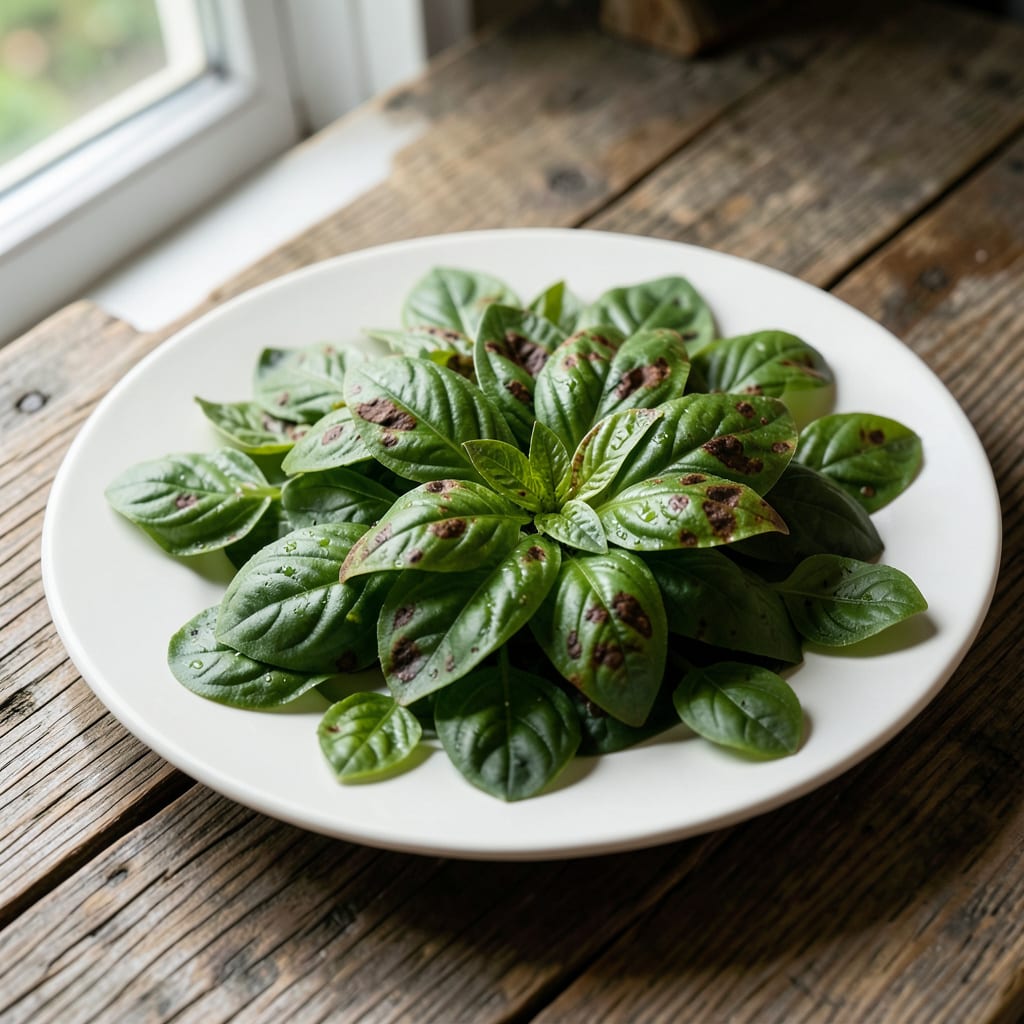
Spotted brown leaves on your basil mean trouble, but it’s fixable. I’ve saved countless plants by catching these issues early—before they spread to the whole crop.
Most often, it’s downy mildew, overwatering, or pests like aphids. Each leaves a different mark: yellow halos for fungus, crisp edges for thirst, tiny dots for bugs. The solution starts with proper spacing and good airflow.
With quick action, your basil can recover in 2-3 weeks. Prune affected leaves, adjust watering, and watch new growth come in clean. Prevention is simpler than you think.
Works for potted plants, garden beds, or windowsill herbs. Here’s how to diagnose and treat it.
Brown spots on your basil leaves are a distress signal, often tied to environmental stress, pathogens, or care mistakes. Here’s a breakdown of the most common culprits and the science behind them:
Fungi like Colletotrichum (anthracnose) or Pseudoperonospora belbahrii (downy mildew) thrive in damp, humid conditions. These pathogens invade plant tissues, disrupting cell function and causing necrotic (dead) spots. Overhead watering or poor airflow exacerbates the issue, as moisture on leaves creates a perfect breeding ground.
Basil roots need oxygen to respire. Overwatering or compacted soil suffocates the roots, leading to root rot. As roots die, they can’t absorb nutrients or water efficiently, causing leaf cells to collapse and turn brown. Yellowing leaves often precede brown spots in these cases.
While basil loves sunlight, intense midday rays (especially in hot climates) can scorch leaves, causing localized browning. This happens because excessive heat disrupts photosynthesis, damaging chlorophyll and cell membranes. Leaves may also develop crispy edges.
Pests like spider mites, aphids, or Japanese beetles pierce leaf cells to feed, leaving behind small wounds. These injuries turn brown as the plant’s defenses seal off damaged areas. Additionally, pests can transmit viruses (e.g., Tobacco Mosaic Virus), which may cause secondary browning.
A lack of key nutrients—particularly magnesium (interveinal chlorosis) or potassium (leaf edge browning)—can manifest as brown spots. These elements are vital for chlorophyll production and water regulation. Without them, cells degrade prematurely.
Actionable tip: Test your soil’s pH (ideal: 6.0–7.5) and amend with compost or a balanced fertilizer if deficiencies are suspected.
Tackle brown spots on your basil with these targeted fixes. Each solution addresses a common cause, so you can act fast and restore your plant’s health.
Trim affected leaves with sterilized scissors and remove any fallen debris. Space plants at least 12 inches apart to boost air circulation. Water at the base in the morning to let foliage dry quickly.
Prevent it: Use a fungicide like copper spray weekly during humid weather. 💡 Pro tip: Avoid overhead watering to keep leaves dry.
Blast aphids or mites off with a strong stream of water. Apply neem oil or insecticidal soap every 3–5 days until pests vanish. Check leaf undersides for hidden bugs.
Prevent it: Introduce beneficial insects like ladybugs or use reflective mulch to deter pests. ✨
Let the top inch of soil dry before watering again. Ensure pots have drainage holes, and switch to well-draining soil if needed. Yellowing leaves often signal root rot.
Prevent it: Use a moisture meter or the finger test to avoid guesswork. 🌡️
Move potted basil to partial shade (4–6 hours of sunlight) or use shade cloth. Increase watering slightly if leaves appear crispy. Indoor plants? Keep them 6–12 inches from grow lights.
Prevent it: Acclimate seedlings gradually to direct sun over 7–10 days. 🎯
Use a balanced, water-soluble fertilizer (10-10-10) every 2 weeks. For magnesium deficiency (yellowing between veins), add Epsom salt (1 tbsp/gallon of water) as a foliar spray.
Prevent it: Test soil annually and amend with compost for long-term health. ✨
Yes, soggy soil suffocates roots, which can’t deliver nutrients to leaves. Yellowing often appears first, followed by brown patches as cells die. Always let the top inch of soil dry between waterings.
Look for fuzzy growth on leaf undersides or concentric ring patterns. Fungal spots often have yellow halos and spread quickly in wet conditions. Improve airflow immediately.
Use clean scissors to remove spotted leaves and dispose of them far from the plant. This prevents spread to healthy foliage. Sterilize tools with rubbing alcohol after.
If most leaves are brown, trim back to healthy growth and repot in fresh soil. Focus on correcting the root cause (water, light, etc.). New growth should appear in 2-3 weeks with proper care.
