
Beautiful Plants For Your Interior
Beautiful Plants For Your Interior
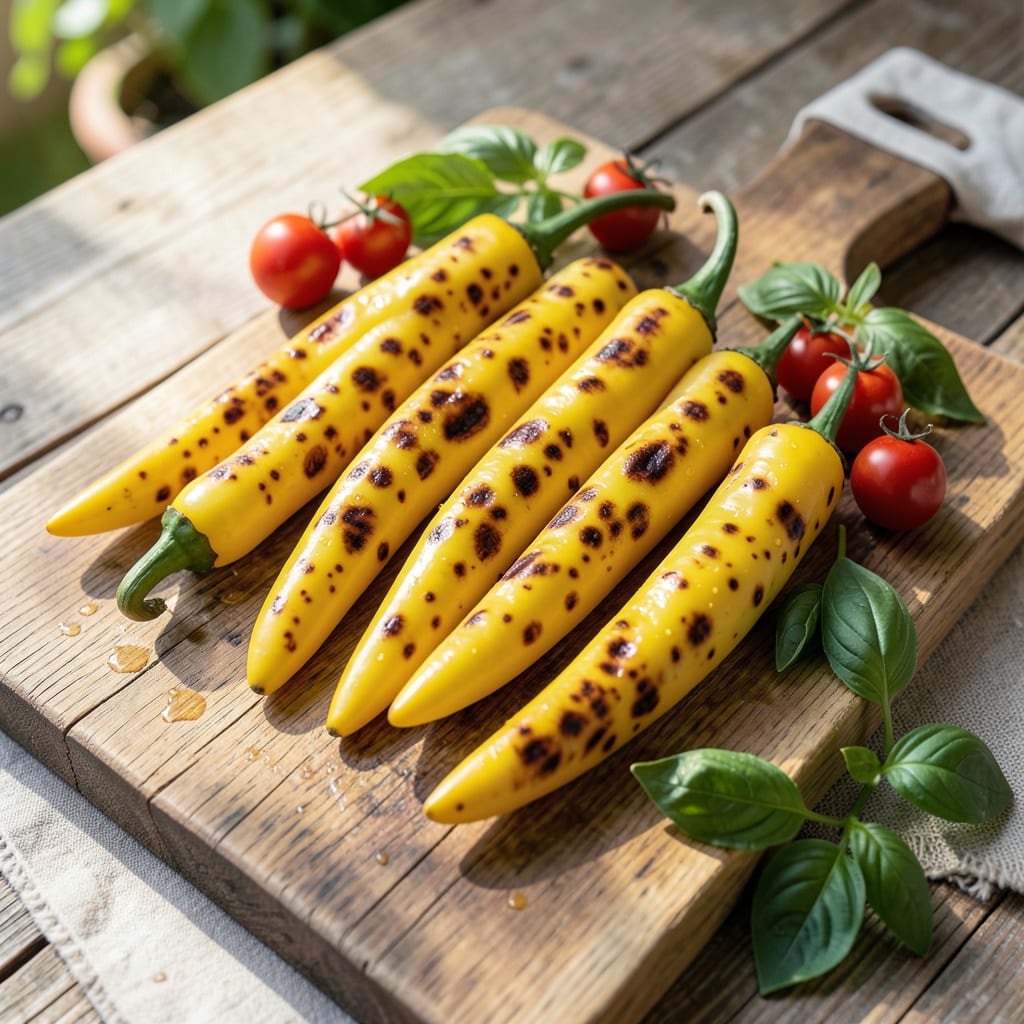
Those brown spots on your banana peppers aren’t just ugly—they’re a warning sign. I’ve seen entire crops ruined by ignoring early symptoms, but catching them fast means saving your harvest.
The causes range from fungal infections to pest damage or even environmental stress. Each leaves distinct patterns: small dots for pests, spreading circles for fungus, or dry edges for water issues.
Natural fixes work surprisingly well. Copper fungicides stop spread, neem oil handles pests, and adjusting watering solves stress-related spots. The key is identifying the culprit first.
Your plants can recover quickly with the right approach. Most treatments show results within 5-7 days, and prevention keeps the problem from returning next season.
Brown spots on banana peppers often signal underlying issues, and identifying the root cause is key to addressing them. Here’s a breakdown of the most common culprits:
Fungi like Alternaria or Cercospora thrive in warm, humid conditions, leading to dark, sunken spots on peppers. These pathogens spread via spores in water or soil, often entering through wounds or stressed plant tissue. Overhead watering or poor air circulation exacerbates the problem.
Extreme temperature swings, especially heat above 90°F (32°C) or cold snaps, can cause cellular damage, manifesting as brown or black spots. Inconsistent watering—either drought or waterlogging—also stresses plants, disrupting nutrient uptake and leading to discoloration.
Pests like aphids, spider mites, or flea beetles pierce plant tissues, creating entry points for secondary infections. Their feeding activity weakens the plant, often leaving behind small, brown lesions. Inspect the undersides of leaves for tiny pests or sticky residue (honeydew).
A lack of calcium or magnesium can cause uneven brown spotting, often called “blossom end rot” in peppers. Calcium deficiency leads to weak cell walls, while magnesium shortages disrupt chlorophyll production. Test soil pH (ideal: 6.0–6.8) and amend with lime or Epsom salts as needed.
Banana peppers with brown spots can often be saved with the right approach. Below are targeted solutions based on the most common causes, along with prevention tips to keep your plants healthy.
If the spots are soft and spreading, a fungal issue like Alternaria or Phytophthora may be to blame. Start by removing affected peppers and leaves to prevent further spread. Apply a copper-based fungicide or a homemade mix of 1 tsp baking soda + 1 quart water + a drop of dish soap, spraying every 5–7 days until the issue clears. Prevention tip 💡: Space plants 18–24 inches apart for better airflow, and water at the base (not overhead) to reduce moisture on foliage.
Brown spots from pests like aphids or flea beetles often appear as small, irregular marks. Inspect the undersides of leaves and stems. Blast pests off with a strong stream of water, then apply neem oil or insecticidal soap. For severe infestations, introduce beneficial insects like ladybugs. Prevention tip 🎯: Use row covers early in the season to block pests, and keep the garden free of debris where bugs hide.
If spots are dry and papery, especially on the side facing the sun, your peppers may be sunburned. Provide shade cloth (30–50% shade) during peak afternoon hours. Ensure consistent watering—1–2 inches per week—to help plants cope with heat. Prevention tip 🌡️: Mulch with straw to retain soil moisture and regulate temperature.
Dark, leathery spots at the blossom end signal a calcium deficiency, often due to uneven watering. Water deeply and regularly to maintain steady soil moisture. Add crushed eggshells or a calcium-rich fertilizer to the soil. Prevention tip ✨: Test soil pH (aim for 6.0–6.8) and amend if needed to improve nutrient uptake.
Not always. While fungal infections can cause spots, so can environmental stress like sunburn or inconsistent watering. Check for spreading patterns—disease spots often grow, while stress spots stay fixed.
With proper care, you should see improvement in 5-7 days. Fungal treatments may take slightly longer, while pest control often shows results within 24-48 hours.
Only if the spots are superficial and the flesh remains firm. Discard any soft, mushy, or moldy peppers. When in doubt, it’s safer to remove affected areas and cook thoroughly.
