
Beautiful Plants For Your Interior
Beautiful Plants For Your Interior
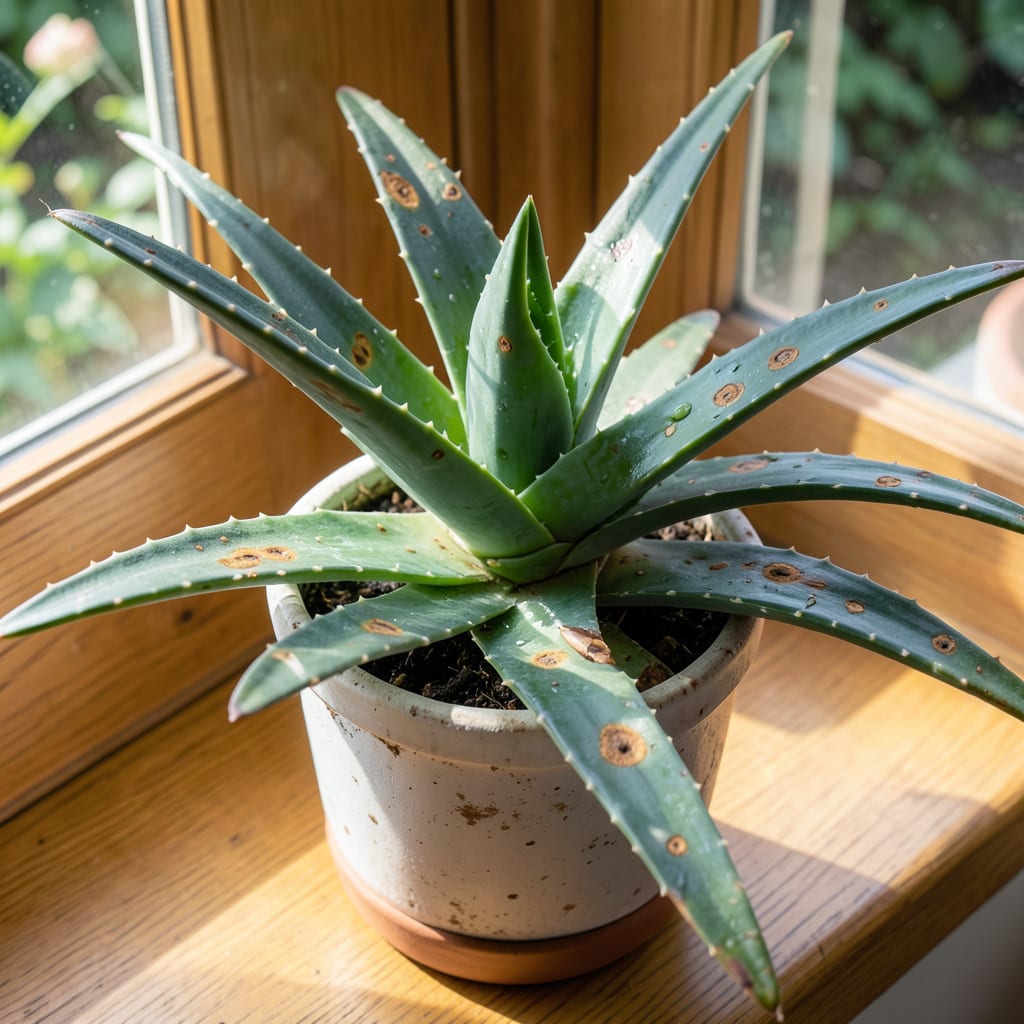
Those brown spots on your aloe vera aren’t just ugly—they’re your plant’s way of asking for help. I’ve rescued dozens from the same fate, and the fix is usually simpler than you think.
Most cases come down to 3 common culprits: too much water, too much sun, or a sneaky fungal issue. The good news? Each has a clear solution once you know what you’re dealing with.
You’ll start seeing improvement within a week of making the right adjustments. The key is diagnosing correctly first—no guessing, no wasted time.
Works for potted aloe on windowsills or garden specimens alike. Here’s how to play plant detective.
Brown spots on your aloe vera plant are a distress signal, and pinpointing the cause is the first step to revival. Here’s a breakdown of the most common culprits, explained simply but scientifically.
Aloe vera thrives in bright, indirect light. When exposed to intense, direct sunlight (especially during peak hours), the plant’s cells undergo photooxidative stress. This triggers the production of reactive oxygen species (ROS), which damage chlorophyll and cell membranes, leading to brown, dry patches—essentially sunburn. South-facing windows or outdoor placement without shade are common triggers.
Aloe vera is a succulent, storing water in its thick leaves. Overwatering or soggy soil suffocates the roots, preventing oxygen uptake and promoting root rot (often caused by Pythium or Phytophthora fungi). As roots die, they can’t supply water and nutrients, causing the leaves to develop soft, dark brown spots that spread upward. Poor-draining pots or heavy soil mixes worsen the issue.
Pathogens like Alternaria (fungus) or Pseudomonas (bacteria) thrive in humid, wet conditions. They enter through wounds or stomata (leaf pores), breaking down cell walls. Fungal spots often appear as circular, tan-to-brown lesions with a yellow halo, while bacterial spots may be water-soaked and irregular. Overhead watering or crowded plants increase infection risks.
Aloe vera prefers temperatures between 55–80°F (13–27°C). Exposure to cold drafts (below 50°F/10°C) or heat sources (radiators, AC vents) can cause cell damage, manifesting as brown, crispy edges or spots. Similarly, chemical burns from tap water (high chlorine/fluoride) or harsh fertilizers can lead to localized browning, especially at leaf tips.
Addressing brown spots on your aloe vera plant starts with identifying the root cause. Here’s how to tackle each issue and restore your plant’s health.
Fix: Let the soil dry out completely between waterings. Repot the plant in a well-draining cactus or succulent mix and ensure the pot has drainage holes. If root rot is suspected, trim away black, mushy roots and repot in fresh soil.
Prevention: Water only when the top 1-2 inches of soil are dry. Use a terracotta pot to help wick away excess moisture. 💡 Pro tip: Stick your finger in the soil—if it feels damp, wait a few more days.
Fix: Move your aloe vera to a spot with bright, indirect light or provide shade during the hottest part of the day (10 AM–4 PM). If the leaves are severely scorched, trim them to encourage new, healthy growth.
Prevention: Gradually acclimate your plant to direct sunlight over a week or two. Use a sheer curtain to filter intense rays if growing indoors near a window.
Fix: Wipe down leaves with a damp cloth to remove pests like mealybugs or scale. For stubborn infestations, use neem oil or insecticidal soap, applying every 5–7 days until the pests are gone.
Prevention: Inspect new plants before bringing them home and isolate them for a week. Keep your aloe vera clean and dust-free to deter pests. ✨ Pro tip: A spray of diluted rubbing alcohol (1:1 with water) can kill pests on contact.
Fix: Keep your aloe vera in a stable environment between 55–80°F (13–27°C). If humidity is too low, mist the leaves occasionally or place a tray of water near the plant.
Prevention: Avoid placing your plant near drafts, heaters, or air conditioning vents. Grouping plants together can naturally increase humidity.
Fix: Fertilize lightly with a balanced, water-soluble fertilizer (10-10-10) diluted to half strength, once in spring and once in summer. Avoid over-fertilizing, as aloe vera thrives in poor soil.
Prevention: Repot your plant every 2–3 years with fresh soil to replenish nutrients. Use a fertilizer specifically formulated for succulents for best results.
Water only when the top 1-2 inches of soil are completely dry. This usually means watering every 2-3 weeks depending on light and humidity. Overwatering is the most common cause of brown spots.
Only if caused by fungal/bacterial infections or pests. Isolate affected plants immediately and treat with neem oil or fungicide. Sunburn or overwatering spots won’t spread.
Move to bright, indirect light (east-facing window is ideal). If sunburned, keep in shade for 1-2 weeks before reintroducing light gradually. Direct sun can worsen spots.
Yes, if they’re severely damaged. Use clean scissors to cut at the base. This prevents spread of disease and lets the plant focus energy on healthy growth.
