
Beautiful Plants For Your Interior
Beautiful Plants For Your Interior
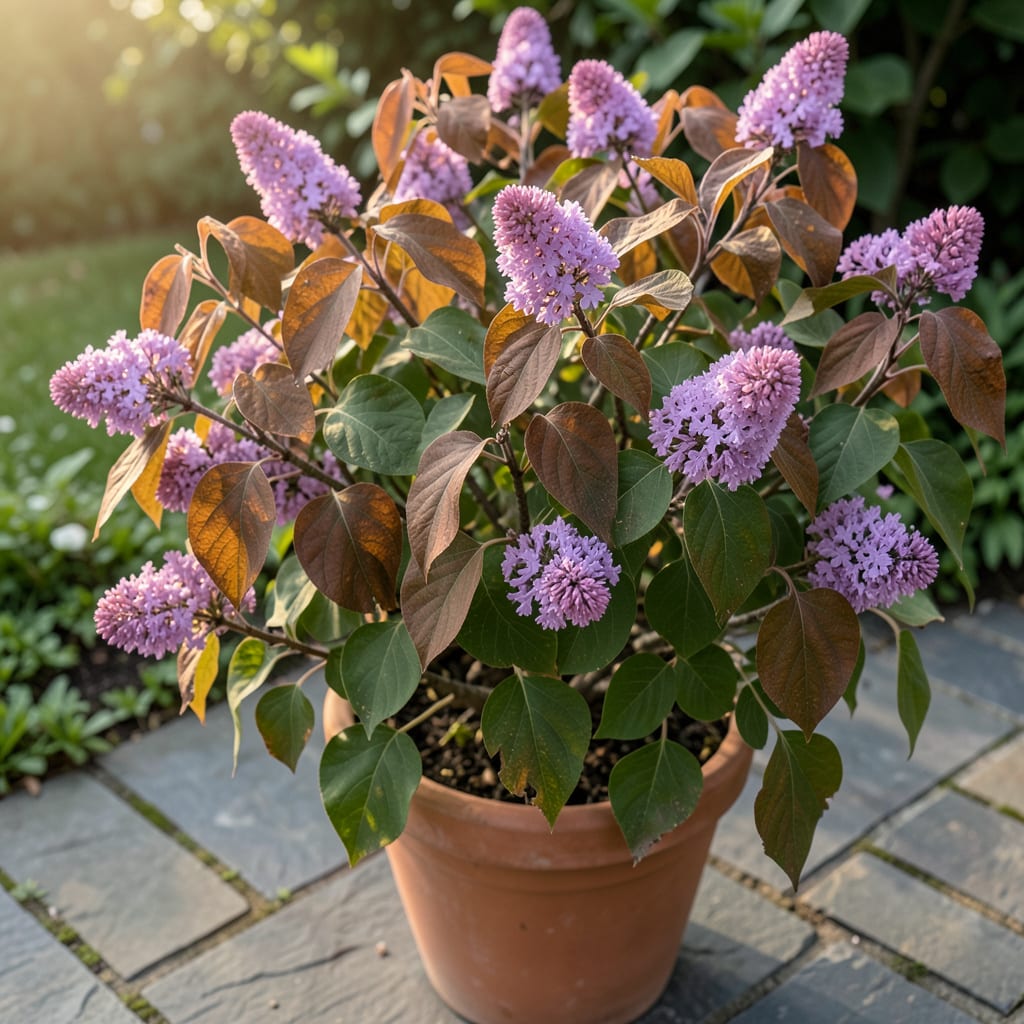
Brown leaves on your lilac bush aren’t just unsightly—they’re a distress signal. I’ve seen this happen mid-summer when the heat spikes or after a particularly wet spring. The culprit could be drought stress, fungal infection, or even poor soil conditions.
Here’s the thing—most cases start with overwatering or underwatering, but fungal issues like powdery mildew or leaf spot are sneaky. They creep in when humidity lingers too long on the leaves.
You can turn this around with better drainage, proper pruning, and a simple baking soda spray for fungi. I’ve rescued bushes in 2-3 weeks using just these tweaks.
Prevention is easier than cure: space plants for airflow, water at the base, and clean up fallen leaves. Your lilac will thank you with vibrant blooms next season.
Brown leaves on your lilac bush can stem from several environmental, biological, or cultural factors. Understanding the root cause is key to restoring your plant’s health. Below are the most common culprits, explained with actionable insights.
Extreme weather conditions—such as drought, heatwaves, or frost damage—can cause leaves to turn brown. Lilacs prefer consistent moisture and struggle in prolonged dry spells. Similarly, late spring frosts can injure new growth, leading to discoloration. Solution: Mulch heavily (2–3 inches) to retain soil moisture and protect roots from temperature swings.
Both overwatering and underwatering stress lilacs. Soggy soil suffocates roots, reducing their ability to absorb nutrients, while dry soil leads to leaf scorch. Signs: Yellowing before browning often indicates overwatering, whereas crisp, curled edges suggest thirst. Solution: Water deeply once a week (adjust for rainfall) and ensure well-draining soil.
Pathogens like Verticillium wilt or leaf spot diseases (e.g., Cercospora) thrive in wet, humid conditions, causing brown patches or spots. Fungal issues often start as small lesions that expand. Solution: Prune infected branches (sterilize tools with rubbing alcohol!), improve air circulation, and apply copper-based fungicides organically.
A lack of potassium, magnesium, or iron can manifest as brown, crispy leaves. Lilacs are heavy feeders; poor soil or competition from nearby plants may starve them. Signs: Interveinal browning (between veins) often signals magnesium deficiency. Solution: Test soil pH (aim for 6.5–7.5) and amend with compost or a balanced organic fertilizer.
Sap-sucking pests like aphids, scale, or lilac borers weaken the plant, leading to brown, distorted leaves. Check undersides of leaves for sticky residue (honeydew) or tiny insects. Solution: Blast pests off with water or use neem oil for organic control.
Once you’ve identified the cause, these targeted solutions will help revive your lilac bush and prevent brown leaves from returning.
Fix: Let the soil dry out between waterings—lilacs prefer moderate moisture. If the area stays soggy, improve drainage by mixing in compost or sand. For potted lilacs, ensure the container has drainage holes.
Prevention: Water deeply but only once a week (adjust for rainfall). Use a moisture meter to avoid guesswork. 💡 Pro tip: Mulch with organic material to retain moisture without waterlogging roots.
Fix: Give the bush a slow, deep soak at the base (avoid wetting leaves to prevent fungal issues). If heat is the culprit, provide afternoon shade with a shade cloth or nearby taller plants.
Prevention: Water early in the morning to reduce evaporation. Apply a 2–3 inch layer of mulch to insulate roots. ✨ Bonus: Group drought-tolerant plants nearby to create a microclimate.
Fix: Remove and destroy infected leaves (don’t compost them!). Spray the bush with neem oil or a baking soda solution (1 tsp baking soda + 1 quart water + a drop of dish soap) every 7–10 days until symptoms fade.
Prevention: Space plants for airflow, and avoid overhead watering. Prune crowded branches in late winter to improve circulation. 🎯 Key: Clean up fallen leaves in autumn to eliminate fungal spores.
Fix: Blast pests off with a strong jet of water, or apply insecticidal soap. For stubborn scale, use horticultural oil in the dormant season.
Prevention: Encourage natural predators (like ladybugs) by planting pollinator-friendly flowers nearby. Inspect leaves regularly for early signs of pests. 🌡️ Note: Avoid chemical pesticides—they can harm beneficial insects.
Fix: Test your soil (kits are inexpensive and easy to use). Amend with a balanced fertilizer (10-10-10) or organic options like bone meal (for phosphorus) or compost. Yellowing leaves often signal nitrogen deficiency.
Prevention: Feed lilacs in early spring with a slow-release fertilizer. Replenish mulch annually to gradually enrich the soil.
Water deeply once a week, allowing soil to dry slightly between waterings. Adjust for rainfall—overwatering causes root rot while drought leads to leaf scorch.
No, damaged leaves won’t recover, but new growth will be healthy if you fix the underlying issue. Remove brown leaves to redirect energy to fresh foliage.
Use a baking soda spray (1 tsp baking soda + 1 quart water + drop of dish soap) every 7-10 days. Neem oil also works well for organic control.
Yes, but only if they’re severely damaged. Light browning may recover, but crisp, dry leaves should be removed to prevent disease spread.
