
Beautiful Plants For Your Interior
Beautiful Plants For Your Interior
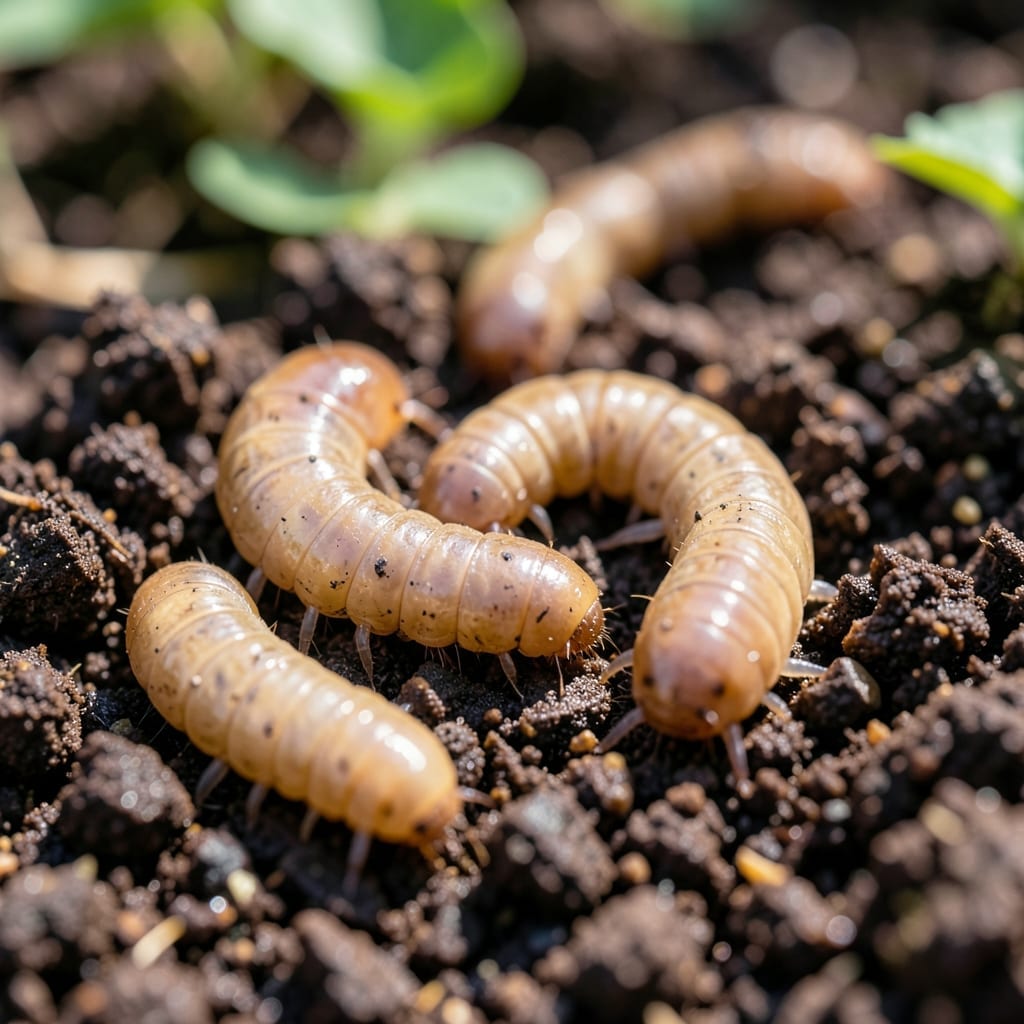
Those white, C-shaped pests under your lawn are stealing nutrients from your plants’ roots. I’ve battled brown grubs for years, and the damage they cause is often invisible until it’s too late.
Yellow patches in your grass, wilting plants despite watering—these are red flags. The grubs feed just below the surface, severing roots and leaving your garden struggling. I learned the hard way that early detection is key to stopping the cycle.
Natural control works best. Beneficial nematodes, milky spore, and proper watering habits can break their life cycle without harsh chemicals. The soil stays healthy, and your plants bounce back stronger.
This approach protects your garden long-term. No more surprise die-offs or mysterious brown spots in your yard.
Brown grubs in soil are a common issue for gardeners, and understanding why they appear is the first step to managing them. These pests, typically the larvae of beetles like Japanese beetles or June bugs, thrive under specific conditions. Here’s a breakdown of the primary causes:
Grubs are attracted to moist environments, and overwatering or poor drainage creates the perfect breeding ground. Excess moisture softens the soil, making it easier for adult beetles to lay eggs. Additionally, compacted or clay-heavy soil retains water longer, further encouraging grub infestations. To combat this, ensure your soil has proper drainage by incorporating organic matter like compost or sand.
While organic matter is generally beneficial, too much can invite grubs. Thick layers of thatch in lawns or undecomposed mulch provide food and shelter for both adult beetles and their larvae. Balance is key—regularly aerate lawns and avoid over-mulching to reduce grub appeal.
Adult beetles prefer to lay eggs in warm, loose soil during late summer. This timing aligns with their life cycle, as grubs hatch and feed voraciously in early fall. If your garden or lawn has loose, sunny patches, it’s more vulnerable. Tilling the soil in early summer can disrupt this cycle by exposing eggs to predators or drying them out.
Grubs thrive when their natural predators—like birds, toads, or beneficial nematodes—are absent. Overuse of chemical pesticides can kill these helpers, leaving grubs unchecked. Encourage biodiversity by planting native species and reducing pesticide use to let nature keep grub populations in balance.
Dealing with brown grubs in soil doesn’t have to mean reaching for harsh chemicals. Here’s how to tackle the issue naturally, with solutions tailored to the root causes.
Grubs thrive in damp conditions. If your soil stays soggy, aerate it with a garden fork to improve airflow and water absorption. Mix in coarse sand or compost to break up compacted areas. For potted plants, ensure containers have drainage holes and use a well-draining potting mix.
Prevention tip: Water deeply but less frequently to encourage strong root growth and discourage grub-friendly moisture.
Grubs love decaying plant matter. Clear fallen leaves, grass clippings, and mulch from the soil surface regularly. If you use mulch, opt for cedar or pine bark, which grubs dislike. Keep your garden beds tidy to reduce their food sources.
Prevention tip: 💡 Turn compost piles frequently to heat them up, killing grub eggs before they hatch.
Encourage natural grub predators like beetles, birds, and nematodes. Attract birds with feeders or birdbaths, and plant native flowers to draw ground beetles. For a direct approach, apply beneficial nematodes (Heterorhabditis bacteriophora) to the soil—these microscopic worms hunt and kill grubs without harming plants.
Prevention tip: ✨ Avoid broad-spectrum pesticides, which can wipe out helpful insects alongside pests.
Healthy soil equals resilient plants. Add organic matter like compost or worm castings to improve soil structure and nutrient content. Strong plants can better withstand minor grub damage. For lawns, overseed with grub-resistant grasses like tall fescue or endophyte-enhanced varieties.
Prevention tip: 🎯 Rotate crops annually to disrupt grub life cycles and prevent buildup in the soil.
Check for wilting plants or yellowing grass that pulls up easily. Dig a small section of soil—if you find C-shaped white larvae, you’ve got grubs.
Apply beneficial nematodes or milky spore powder to infected areas. Both target grubs without harming plants.
Yes! Improve drainage, remove organic debris, and encourage predators like birds. Rotate crops annually to disrupt their life cycle.
Apply treatments in late summer or early fall when grubs are young and most vulnerable. Avoid spring—it’s less effective.