
Beautiful Plants For Your Interior
Beautiful Plants For Your Interior
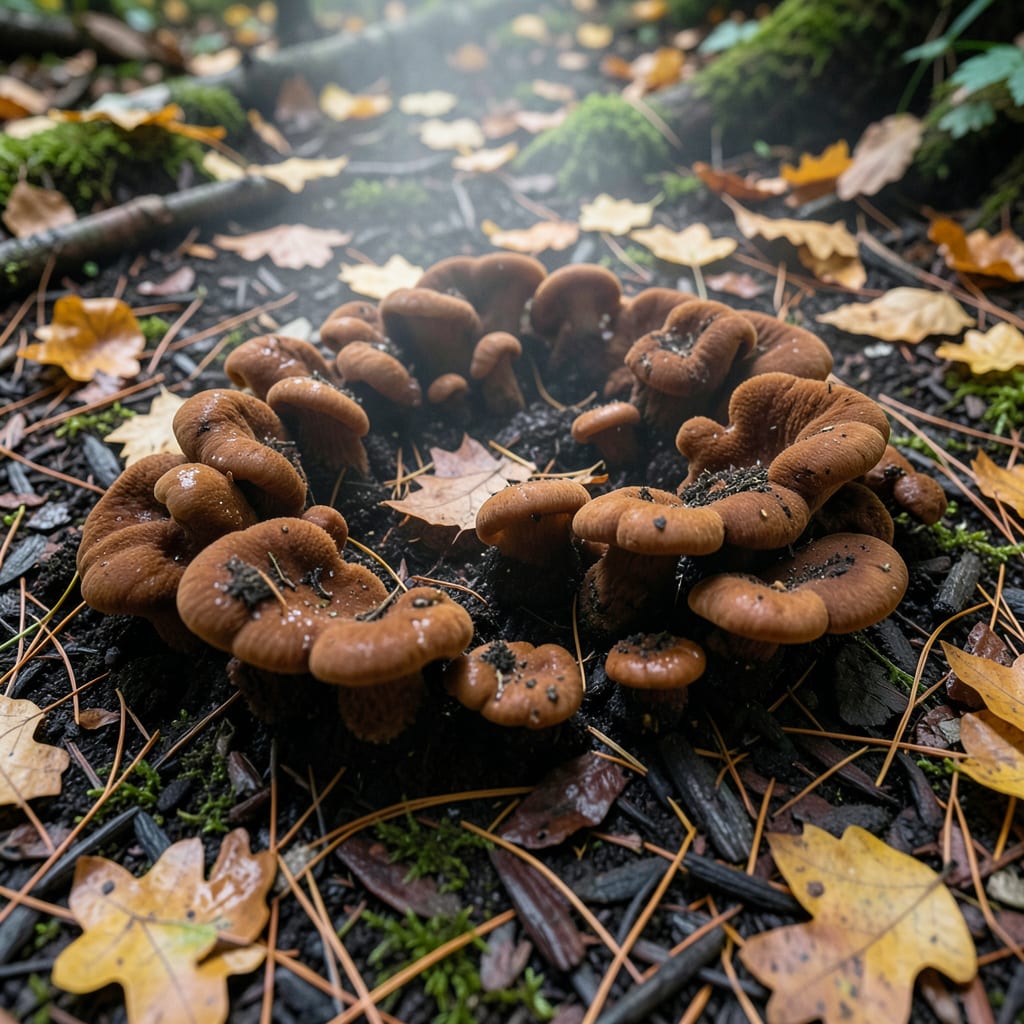
Spotted brown patches in your mulch aren’t just ugly—they’re a warning sign. I’ve seen this fungus spread faster than dandelions in spring, turning a tidy garden bed into a science experiment gone wrong.
Here’s the thing—it thrives in damp, compacted mulch, especially when it’s piled too thick. The good news? You can stop it before it reaches your plants. A little airflow and sunlight go a long way.
With the right approach, you’ll remove the fungus safely without harming your soil or plants. No fancy tools required—just consistency and a watchful eye.
Prevention is simpler than you think. Adjust how you mulch, and you’ll avoid this headache next season entirely.
The appearance of brown fungus in mulch is typically tied to environmental conditions and organic matter decomposition. Below are the primary causes, explained with actionable insights.
Brown fungi thrive in damp environments. Overwatering, poor drainage, or prolonged rain can create the perfect breeding ground. Mulch retains moisture, and if it stays wet for too long, fungal spores germinate and spread. Fix: Improve drainage and avoid overwatering to keep mulch dry.
Mulch is made of decomposing wood, leaves, or bark—prime food for fungi. As microbes break down these materials, they release nutrients that brown fungi consume. Fix: Use aged mulch or turn the layer regularly to speed up decomposition and reduce fungal growth.
Brown fungi spore activity peaks in warm (70–85°F), humid conditions. Mulch piles in shaded, poorly ventilated areas are especially vulnerable. Fix: Rake mulch to increase airflow and expose it to sunlight, which inhibits fungal growth.
Sometimes, the mulch itself carries fungal spores from the supplier. Low-quality or improperly stored mulch can introduce brown fungus to your garden. Fix: Purchase mulch from reputable sources and inspect it for mold or unusual odors before use.
Dealing with brown fungus in mulch is manageable with the right approach. Below are targeted solutions based on the most common causes, along with prevention tips to keep your garden healthy.
If the fungus thrives due to overly wet conditions, start by raking the mulch to increase airflow. Ensure your garden beds have proper drainage by adding a slope or installing a French drain. For immediate relief, reduce watering frequency and water only in the morning so surfaces dry faster. Replace thick mulch layers with coarser options like cedar chips, which resist moisture better.
Old or decomposing mulch invites fungal growth. Remove infected mulch entirely and replace it with fresh, high-quality material. Before laying new mulch, clear away leaves, twigs, and other organic debris that may harbor spores. Consider switching to inorganic mulches like gravel or rubber for low-maintenance areas.
Prevention tip: 💡 Replenish mulch annually to prevent buildup and decay.
Fungus loves stagnant, compacted mulch. Turn the mulch layer with a pitchfork every few weeks to break up clumps and improve oxygen flow. Space plants farther apart to allow airflow between them. For dense mulch beds, mix in coarse materials like straw or pine needles to create gaps for ventilation.
Sometimes, brown fungus signals poor soil health. Test your soil’s pH and nutrient levels using a home kit. If the pH is too acidic or alkaline, amend it with lime or sulfur as needed. Add compost or organic fertilizers to boost beneficial microbes that outcompete harmful fungi.
Prevention tip: ✨ Rotate mulch types seasonally to avoid depleting soil nutrients.
By addressing the root cause and adopting these habits, you can eliminate brown fungus and maintain a vibrant, fungus-free garden.
Most brown fungi in mulch are saprophytic and won’t directly harm healthy plants. However, if left unchecked, it can spread to plant stems or roots. Remove infected mulch promptly to prevent any risk.
Keep mulch layers under 3 inches thick and rake regularly to improve airflow. Water in the early morning so mulch dries quickly, and avoid piling mulch against plant stems.
No, this traps moisture and worsens the problem. Always remove the infected mulch first, then replace it with fresh material. Consider switching to cedar or cypress mulch, which resist fungi better.
