
Beautiful Plants For Your Interior
Beautiful Plants For Your Interior
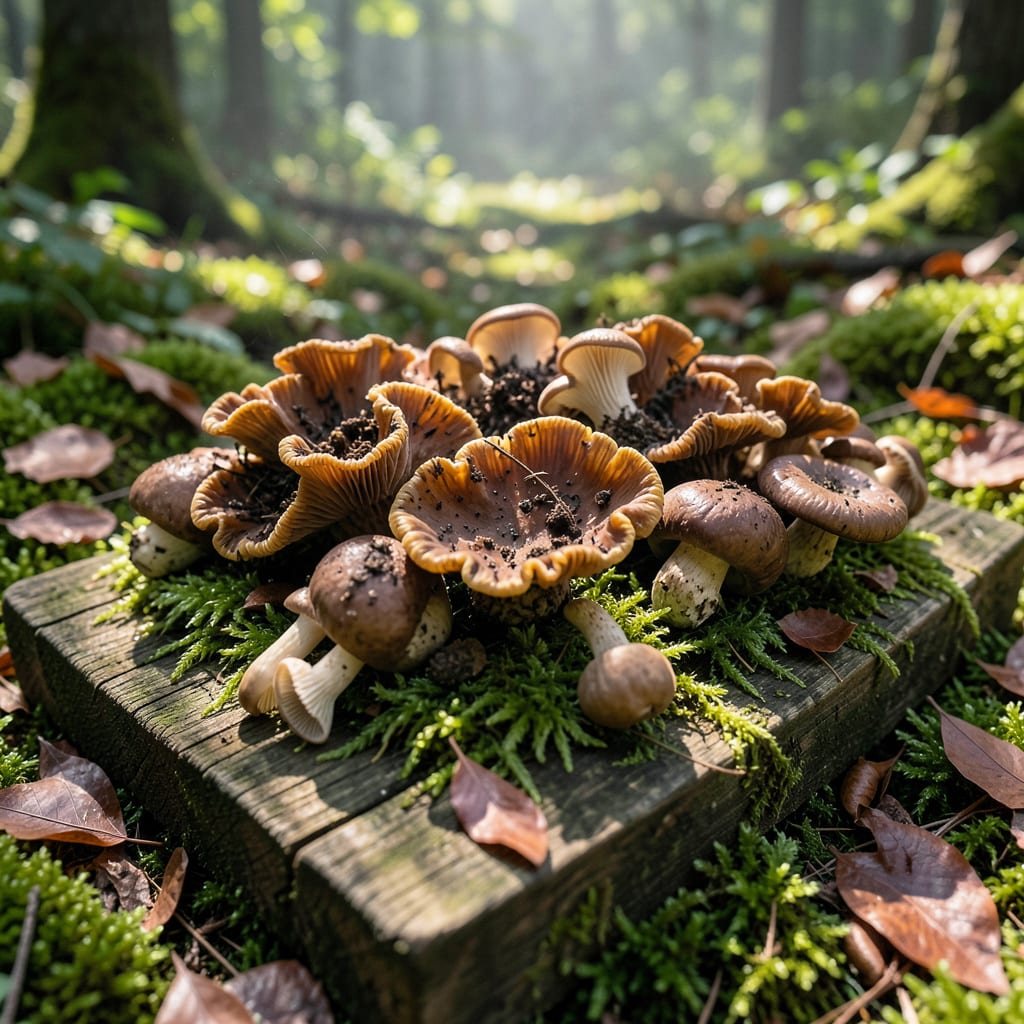
Brown fungi popping up in your garden isn’t a failure—it’s your soil talking. I used to panic when I spotted those earthy mushrooms, until I learned they’re often a sign of healthy decomposition at work.
Here’s the thing—most brown fungi are harmless, breaking down organic matter into nutrients your plants crave. The real issue is when they spread to living plants or appear in unwanted clusters. A few simple steps can keep them in check without harming your garden’s ecosystem.
You’ll restore balance with basic tools and natural solutions that work in 24-48 hours. The key is addressing moisture and organic buildup before it becomes a recurring problem.
Works for flower beds, vegetable patches, and lawns alike. Let’s clear them the right way.
Brown fungi in your garden often appear due to specific environmental and biological triggers. Understanding these causes helps you address the root of the problem.
Overwatering or poor drainage creates a damp environment where fungal spores thrive. Prolonged wetness in soil or mulch encourages the growth of brown fungi, such as Fusarium or Rhizoctonia species, which decompose organic matter and turn it brown.
Fungi naturally break down dead plant material, and brown fungi often appear on rotting leaves, wood, or compost. If your garden has unmanaged piles of organic debris, these fungi will colonize and spread, leading to visible brown patches.
Brown fungi proliferate in warm, humid climates. High temperatures combined with moisture accelerate spore germination. This is why brown fungi are common during rainy seasons or in gardens with poor air circulation.
Compacted or nutrient-poor soil weakens plants, making them more susceptible to fungal infections. Brown fungi may also indicate imbalanced soil pH or a lack of beneficial microbes that would otherwise suppress harmful fungal growth.
Tackling brown fungi in your garden starts with identifying the root cause and applying targeted solutions. Below are practical fixes for common issues, along with prevention tips to keep your garden healthy.
Fungi thrive in damp conditions. If excess water is the culprit:
Brown fungi often feed on decomposing leaves, wood, or plant debris.
Dense plantings can trap moisture and encourage fungal growth.
If the fungi are pathogenic (e.g., Rhizoctonia or Fusarium), they may harm plants.
Pro Tip 💡: For stubborn cases, solarize the soil by covering it with clear plastic for 4–6 weeks to kill fungi with heat. This works best in warm, sunny weather.
Most brown fungi are harmless decomposers, but some can damage plants. If you notice wilting or discolored leaves, it may be a pathogenic type requiring treatment.
Improve drainage, remove decaying matter, and space plants properly. Morning watering and crop rotation also help prevent recurrence.
Yes! A baking soda solution (1 tablespoon per gallon of water) or diluted vinegar can work for mild cases. Test on a small area first.
