
Beautiful Plants For Your Interior
Beautiful Plants For Your Interior
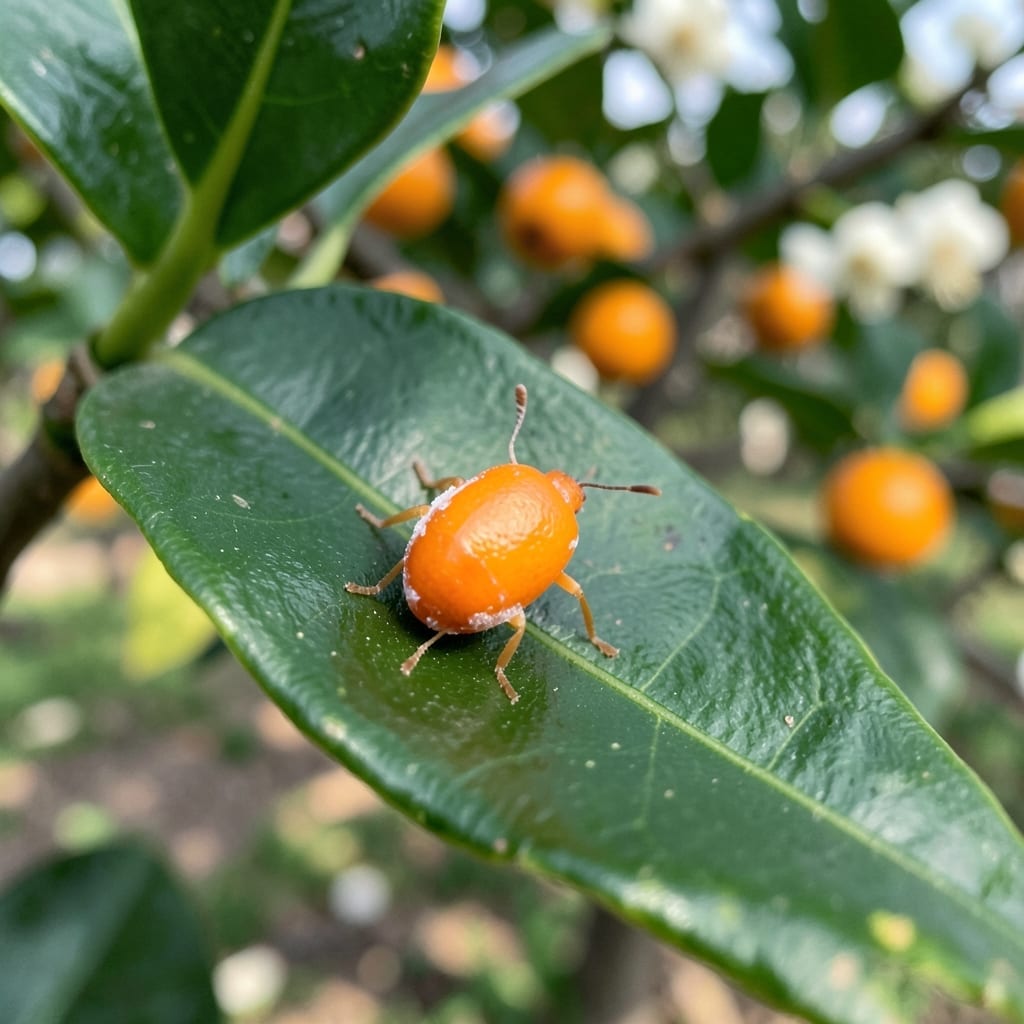
Spotting a bright orange insect in your garden can be startling. I’ve been there—freezing mid-watering, wondering if it’s friend or foe. Turns out, identification is the first step to knowing whether to welcome it or show it the door.
Some orange bugs, like ladybugs or soldier beetles, are garden allies. Others, like certain aphids or larvae, can wreak havoc on your plants. The good news? You don’t need harsh chemicals to manage them.
With a few non-toxic methods—like hand-picking, soapy water sprays, or introducing natural predators—you can keep your garden thriving without harming beneficial insects or the environment.
This approach works for flower beds, vegetable patches, and even potted plants. Here’s how to handle it the right way.
The vibrant hue of certain insects is rarely random—it’s a strategic adaptation shaped by evolution. Here’s why these bright orange visitors stand out in your garden:
Aposematic coloration is a defense mechanism where bold colors (like orange, red, or yellow) signal toxicity or unpalatability to predators. Insects such as the milkweed bug or soldier beetle often sport orange to advertise their bitter taste or mild poison, deterring birds and other hunters. This phenomenon is especially common in species that feed on toxic plants (e.g., milkweed), absorbing their host’s chemicals for self-protection.
Some harmless orange insects mimic their dangerous counterparts to avoid predation. For example, the hoverfly resembles a stinging wasp, tricking predators into steering clear. This Batesian mimicry relies on visual cues—bright orange and black patterns—to exploit the learned avoidance behaviors of predators.
In certain species, vivid colors play a role in mate attraction. Male fireflies or butterflies may use orange hues to signal vitality and genetic fitness to potential partners. Brighter colors can indicate better health or higher energy reserves, making them more desirable for reproduction.
Orange pigmentation can also aid in thermoregulation. Darker shades absorb more sunlight, helping insects warm up faster in cooler climates. Alternatively, some orange insects thrive in specific habitats (like deserts or tropical areas) where their color blends into the environment, offering camouflage among flowers or foliage.
Dealing with a bright-hued garden pest doesn’t have to mean reaching for harsh chemicals. Below are targeted, eco-friendly fixes for common causes, plus tips to keep your garden thriving without unwelcome visitors.
Dense foliage creates a cozy hideout for pests. Thin out overgrown areas to improve airflow and reduce hiding spots. Space plants according to their mature size to prevent future crowding. Prevention tip: 💡 Use companion planting—marigolds or basil can naturally repel pests while adding beauty.
Standing water or soggy soil attracts these insects. Fix drainage by amending soil with compost or sand, and avoid overwatering. Water plants at the base in the morning so foliage dries quickly. Prevention tip: 🌡️ Use drip irrigation to keep leaves dry and reduce appeal to moisture-loving pests.
Encourage natural predators like ladybugs, lacewings, or parasitic wasps. Plant nectar-rich flowers (e.g., alyssum, dill) to attract them. Avoid broad-spectrum pesticides, which harm helpful insects too. Prevention tip: 🎯 Set up a small water source (like a shallow dish with pebbles) to keep beneficial insects around.
Weak or stressed plants are more vulnerable. Strengthen them with organic fertilizer and proper pruning. Remove damaged leaves promptly to eliminate pest entry points. Prevention tip: ✨ Rotate crops annually to disrupt pest life cycles and maintain soil health.
No, many are actually beneficial. Ladybugs and soldier beetles, for example, eat pests like aphids. Only a few, like certain aphids or larvae, damage plants. Always identify first before taking action.
Look for signs of damage: chewed leaves or sticky residue often mean pests. Beneficial insects usually move freely and don’t cluster in large numbers. Use a magnifying glass for closer inspection.
Start with hand-picking or a strong spray of water to dislodge them. For stubborn cases, use insecticidal soap or neem oil, always following label instructions. Avoid chemical pesticides to protect beneficial species.