
Beautiful Plants For Your Interior
Beautiful Plants For Your Interior
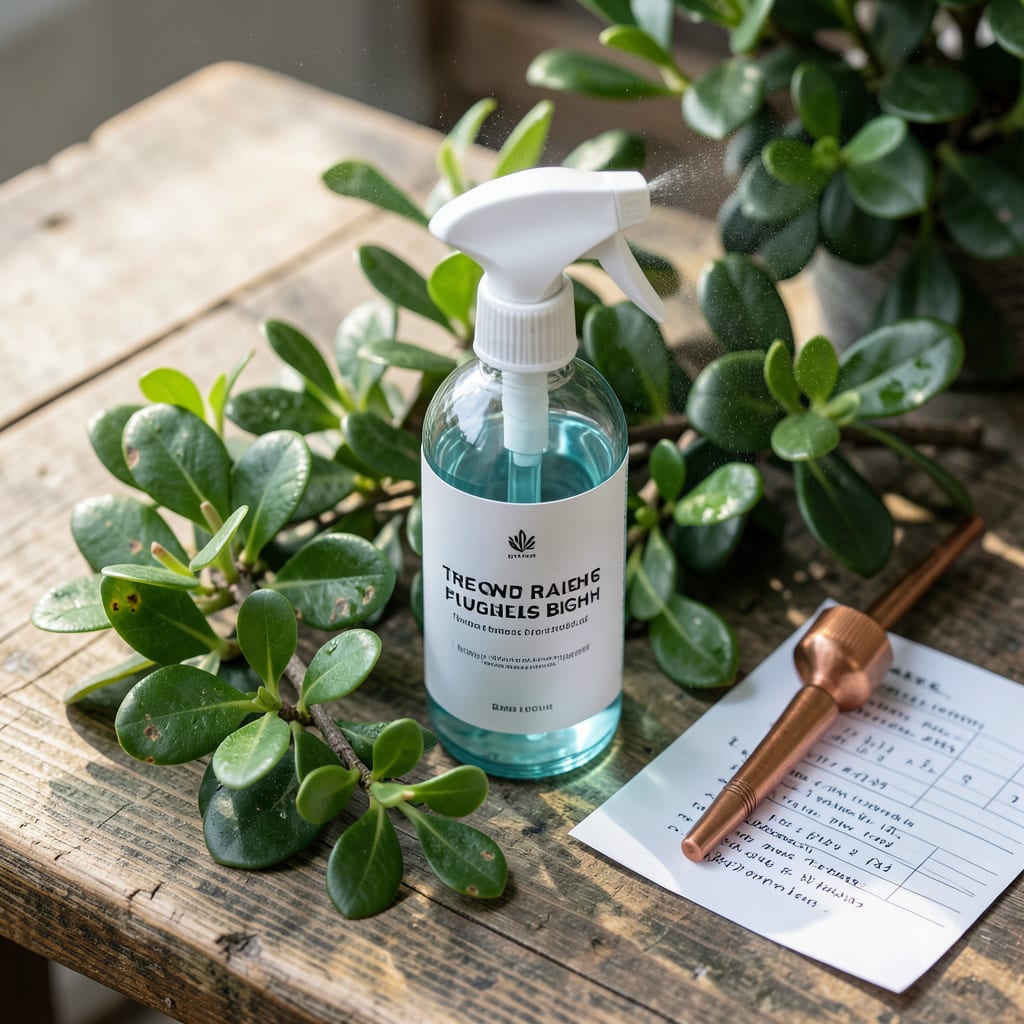
Boxwood blight hit my garden like a silent thief last summer. One week, my shrubs looked fine. The next, brown spots spread like wildfire across the leaves.
I learned the hard way that quick action saves plants. The right fungicide stops the spread and helps shrubs recover, but timing is everything. Waiting even a few days can mean the difference between healthy growth and total loss.
Organic and chemical options both work, but you need to match the treatment to your situation. Some products prevent blight, others treat active infections. I’ll share what worked for me and what didn’t.
Prevention is simpler than you think. A few changes to watering, spacing, and cleanup can keep your boxwoods thriving for years.
Boxwood blight is a destructive fungal disease primarily caused by Calonectria pseudonaviculata (formerly Cylindrocladium pseudonaviculatum). This pathogen thrives in specific conditions, and understanding its causes can help you prevent and manage outbreaks effectively.
The fungus spreads rapidly in wet, humid environments. Overwatering, poor soil drainage, or frequent rain can create ideal conditions for spore germination. Standing water on leaves or soil encourages fungal growth, making boxwoods more susceptible to infection.
Boxwood blight flourishes in temperatures between 60–80°F (15–27°C) with high humidity (over 85%). These conditions accelerate spore production and dispersal, increasing the likelihood of infection. Shaded or densely planted areas with limited airflow are particularly vulnerable.
The fungus spreads via infected plant debris, soil, or gardening tools. Pruning shears, gloves, or even shoes can carry spores from one plant to another. Buying or moving infected boxwoods also introduces the pathogen to healthy landscapes.
Poor air circulation due to tight spacing traps moisture around foliage, creating a microclimate perfect for fungal growth. Thinning plants and improving airflow can reduce humidity and slow disease progression.
Boxwood blight can be stubborn, but with the right approach, you can restore your shrubs to health. Below are targeted solutions for common causes, along with prevention tips to keep the disease at bay.
If your boxwoods show signs of blight (e.g., leaf spots, defoliation, or black stems), act fast. Use fungicides labeled for boxwood blight, such as those containing chlorothalonil, copper, or propiconazole. Apply in early spring or at the first sign of infection, following label instructions for frequency. Rotate fungicides to prevent resistance.
Prevention tip: 💡 Remove and destroy infected plant debris immediately to stop the fungus from spreading.
Excess moisture creates a breeding ground for blight. Water at the base of the plant (not overhead) to keep foliage dry. Ensure soil drains well—amend heavy clay with compost if needed. Water in the morning so leaves dry quickly in the sun.
Prevention tip: 🎯 Space plants properly to improve air circulation and reduce humidity.
Blight spreads easily via pruners, shears, or even your hands. Disinfect tools between uses with a solution of 1 part bleach to 9 parts water or 70% rubbing alcohol. Wear gloves and wash hands after handling infected plants.
Prevention tip: ✨ Avoid working with boxwoods when they’re wet to minimize disease transmission.
New boxwoods can introduce blight to your garden. Buy from reputable nurseries and inspect plants for dark spots, lesions, or unusual leaf drop. Quarantine new plants for 2–3 weeks to monitor for symptoms before planting near existing shrubs.
Prevention tip: 🌡️ Choose blight-resistant varieties like Buxus sempervirens ‘Suffruticosa’ or ‘Green Velvet’ for future plantings.
Apply every 7-14 days during active growth or wet seasons. Start in early spring before symptoms appear. Always follow the product label for exact intervals.
Yes, copper-based or baking soda sprays work for mild cases. They’re best as preventatives rather than treatments for severe infections.
Waiting too long to act. Many gardeners miss early signs like small brown spots. Treat at first suspicion and remove infected leaves immediately.
Prune 6 inches below visible damage in dry weather. Disinfect tools between cuts. Never compost infected material – destroy it completely.
