
Beautiful Plants For Your Interior
Beautiful Plants For Your Interior
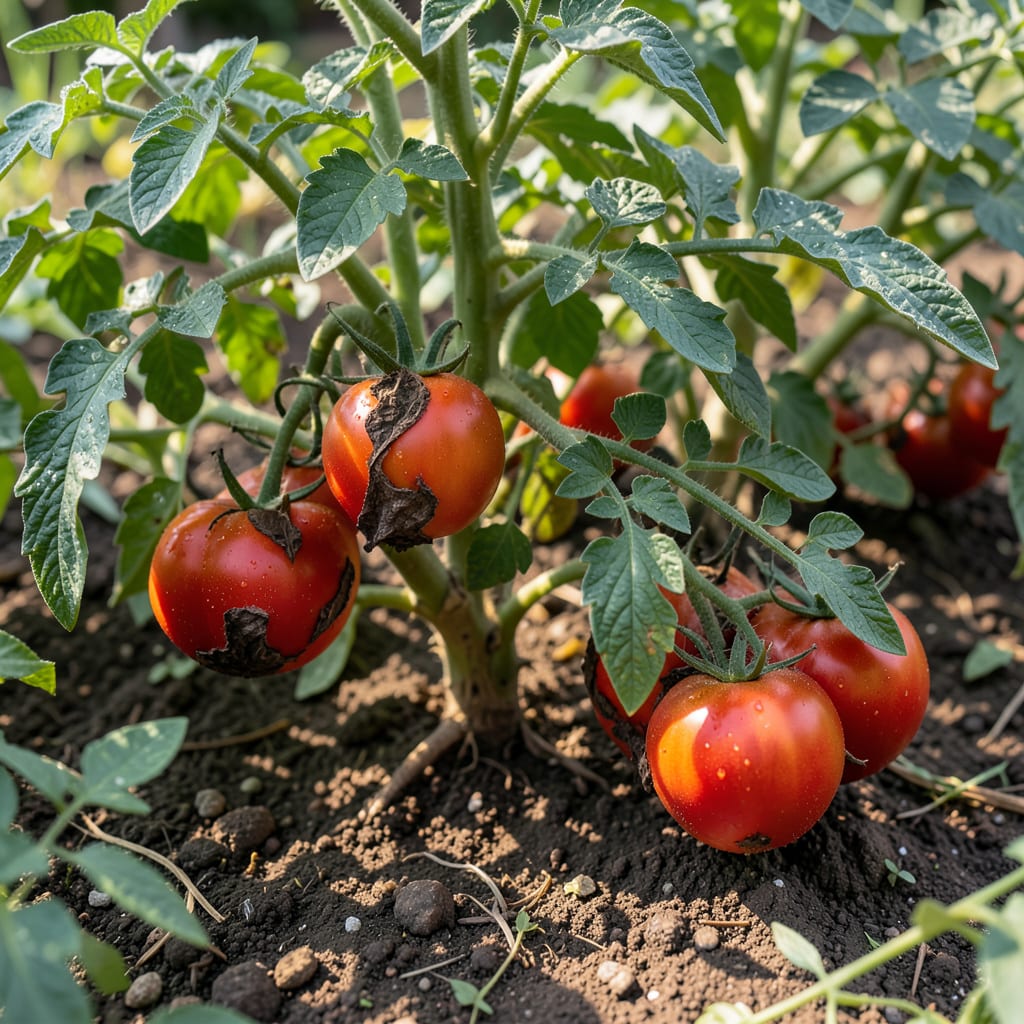
Dark, sunken spots on your tomatoes aren’t just ugly—they’re a distress signal. I’ve lost entire crops to this, and it always starts with one or two fruits looking off.
The culprit isn’t a bug or a virus, but a calcium deficiency that hits when plants can’t absorb what they need. My first season, I blamed the soil, the seeds, even the weather. Turns out, inconsistent watering was the real problem.
Fixing it means steady moisture, a pH-balanced soil, and sometimes a calcium boost. The change is fast—new growth looks healthy within 2 weeks.
Works for container plants too, not just garden beds. Here’s how to save this year’s harvest.
Bottom end rot on tomato plants is primarily caused by a calcium deficiency in the developing fruit, but several environmental and cultural factors can trigger or worsen the issue. Below are the most common causes, explained in detail:
The most direct cause is insufficient calcium in the soil or the plant’s inability to absorb it. Even if calcium is present, uneven soil moisture (too dry or waterlogged) can prevent roots from taking it up. Sandy or highly acidic soils (pH below 6.0) often lack bioavailable calcium, starving the plant.
Fluctuations in soil moisture—drought followed by heavy watering—disrupt calcium transport to the fruit. When roots dry out, they can’t absorb nutrients, and sudden rehydration causes rapid cell expansion in the tomato, leading to localized calcium shortages at the blossom end.
Heatwaves or cold snaps stress the plant, slowing calcium movement from the soil to the fruit. High temperatures increase transpiration, while cold roots reduce nutrient uptake. Both scenarios leave the blossom end vulnerable to rot.
Over-fertilizing with high-nitrogen or potassium-heavy feeds can cause excessive foliage growth at the expense of fruit development. The plant prioritizes leaves over tomatoes, diverting calcium away from the fruit and triggering blossom end rot.
Tackling blossom end rot in tomatoes starts with pinpointing the cause and applying targeted fixes. Here’s how to rescue your plants and prevent future issues:
Add crushed eggshells, gypsum, or a calcium-rich foliar spray to the soil. Work it into the top 6 inches for quick absorption. For fast action, mix 1 tablespoon of calcium chloride in a gallon of water and spray leaves weekly.
Prevention tip 💡: Test soil pH (aim for 6.0–6.8) and amend with lime if it’s too acidic.
Water deeply 1–2 inches per week (more in heatwaves) and use mulch (straw or wood chips) to retain moisture. Avoid letting soil swing between soggy and bone-dry.
Prevention tip 💧: Drip irrigation or soaker hoses deliver steady water without wetting leaves.
Shield plants from extreme heat with shade cloth (30–50%) during peak sun. In cool spells, use row covers to maintain warmth. Consistent temperatures help calcium move through the plant.
Prevention tip ✨: Plant heat-tolerant varieties like ‘Heatmaster’ or ‘Solar Fire’ in hot climates.
Stop high-nitrogen fertilizers (e.g., 10-10-10) and switch to a balanced organic option (like 5-5-5). Too much nitrogen blocks calcium uptake.
Prevention tip 🎯: Feed with compost tea or fish emulsion for gentle, steady nutrition.
Pro move: Remove affected fruits to redirect the plant’s energy to healthy growth. With these fixes, new tomatoes should develop normally within 1–2 weeks!
No, affected fruits won’t recover, but removing them helps the plant focus on healthy growth. New tomatoes should develop normally within 1-2 weeks after fixing the issue.
Work in crushed eggshells or gypsum at planting, then reapply every 4-6 weeks. For quick fixes, use a calcium foliar spray weekly until symptoms improve.
Yes! 2-3 inches of straw or wood chip mulch maintains even soil moisture, preventing the dry/wet cycles that disrupt calcium uptake.
Pots dry out faster and have limited calcium reserves. Use a pH-balanced potting mix with added lime and water more frequently to keep moisture steady.
