
Beautiful Plants For Your Interior
Beautiful Plants For Your Interior
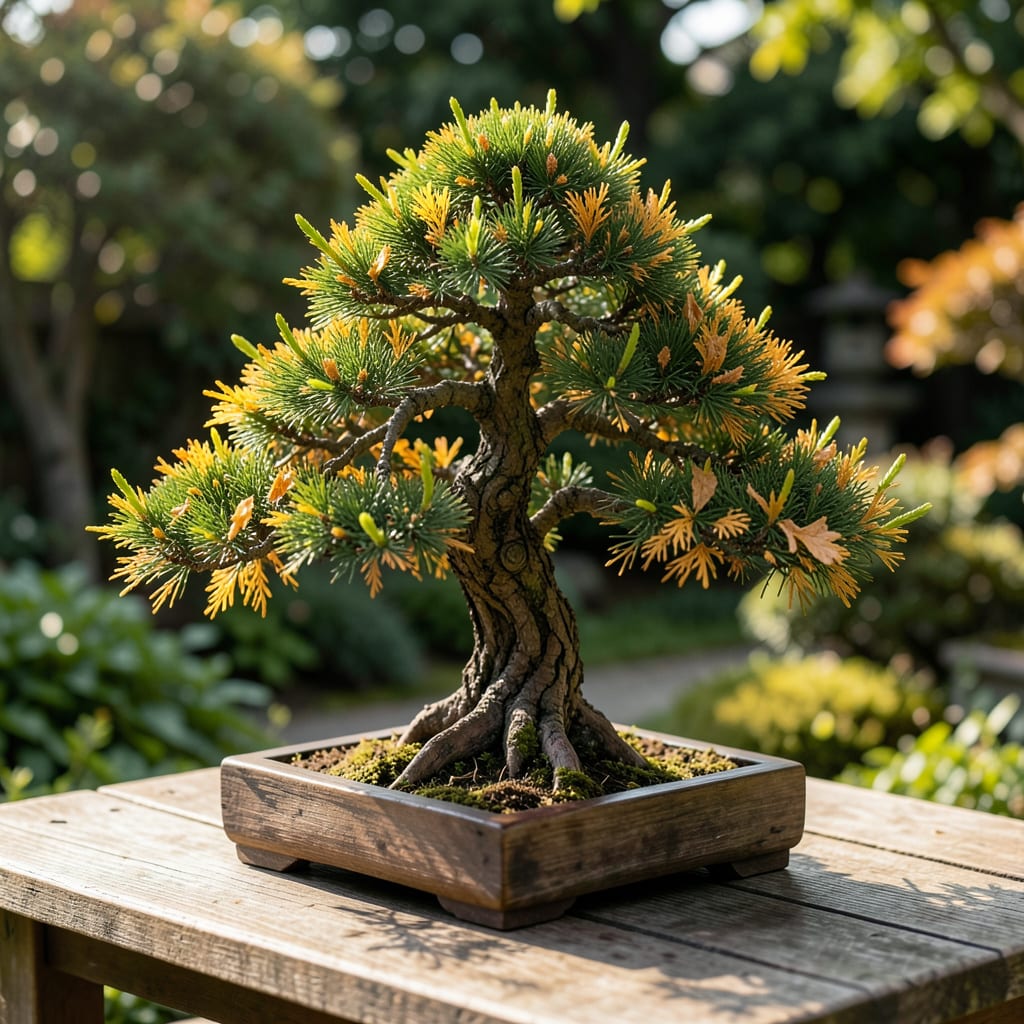
Yellow leaves on your bonsai aren’t just unsightly—they’re a cry for help. I’ve saved dozens of mini trees from this exact issue, and the fix is always simpler than you’d think.
Most cases come down to 3 common culprits: too much water, not enough light, or a nutrient imbalance. Your bonsai can’t tell you what’s wrong, but its leaves give away the clues if you know where to look.
With the right adjustments, you’ll see fresh green growth returning within 2-3 weeks. The key is acting fast before the problem spreads to the rest of the tree.
Works for all bonsai varieties, from junipers to ficus. Here’s how to play plant detective and nurse yours back to health.
Bonsai leaves turning yellow is often a distress signal, and pinpointing the cause is the first step to revival. Below are the most common culprits, explained with actionable insights.
Excess water suffocates the roots, preventing oxygen uptake and leading to root rot. Fungi like Phytophthora or Pythium thrive in soggy soil, damaging root cells and blocking nutrient transport. As roots die, the tree can’t absorb water or minerals, causing chlorophyll breakdown—hence, yellow leaves. Check soil moisture 1 inch deep; if it’s damp, hold off on watering.
Too little light starves the tree of energy for photosynthesis, while too much (especially direct midday sun) can scorch leaves, triggering a defense response. Chlorophyll degrades under UV stress, revealing yellow carotenoid pigments. Juniper and pine bonsai need full sun, but tropical species (e.g., Ficus) prefer bright, indirect light.
Nitrogen deficiency is a primary cause of uniform yellowing (starting in older leaves), as it’s essential for chlorophyll production. Magnesium or iron shortages cause interveinal chlorosis (yellowing between veins). Test soil pH—alkaline conditions (pH > 7) can lock out iron. Use a balanced liquid fertilizer (NPK 10-10-10) or chelated iron for quick correction.
Sap-sucking pests like spider mites, aphids, or scale drain nutrients and inject toxins, disrupting leaf function. Fungal infections (e.g., powdery mildew) coat leaves, blocking light. Inspect leaf undersides for webbing or sticky residue. Neem oil or insecticidal soap treats infestations; improve airflow to prevent fungi.
Cold drafts or heatwaves stress bonsai, slowing metabolic processes. Below 50°F (10°C), tropical species enter dormancy prematurely, shedding yellow leaves. Heat stress accelerates water loss, leading to dehydration and chlorophyll loss. Move trees indoors during cold snaps and provide shade in summer heatwaves.
Don’t panic—yellow leaves on your bonsai can often be reversed with the right care. Below are targeted fixes for the most common causes, plus prevention tips to keep your tree thriving. 🌿
Fix: Check the soil moisture by sticking your finger 1 inch deep. If it’s soggy, let it dry out before watering again. If bone-dry, give it a thorough soak until water drains from the bottom. Adjust your watering schedule based on your bonsai’s species and environment.
Prevention: Use a well-draining soil mix and a pot with drainage holes. Consider a moisture meter for precision. 💡
Fix: Move your bonsai to a spot with bright, indirect light (e.g., an east-facing window). If it’s been in low light, gradually acclimate it to stronger light to avoid shock. For outdoor bonsai, provide shade during peak afternoon sun if leaves are scorching.
Prevention: Rotate your bonsai weekly for even light exposure and monitor for leaf burn. ✨
Fix: Use a balanced, water-soluble fertilizer (e.g., 10-10-10) diluted to half strength, applied every 2–4 weeks during the growing season. For severe deficiencies, a foliar spray (like chelated iron for chlorosis) can provide a quick boost.
Prevention: Repot your bonsai every 2–3 years with fresh soil to replenish nutrients. 🎯
Fix: Isolate the tree and remove pests manually (e.g., cotton swabs dipped in rubbing alcohol for mealybugs). Apply neem oil or insecticidal soap for soft-bodied pests. For fungal issues, use a copper-based fungicide and improve airflow.
Prevention: Inspect leaves weekly and keep humidity in check. Prune dense foliage to reduce pest hiding spots. 🛡️
Fix: Keep indoor bonsai away from heaters, AC vents, or cold drafts. Maintain stable temperatures (60–75°F for most species). For outdoor bonsai, protect from extreme cold or heat with shade cloth or mulch.
Prevention: Use a thermometer to monitor microclimates around your tree. 🌡️
Consistency is key—small adjustments often yield the best results. Start with the most likely cause based on your bonsai’s recent care and environment.
Water when the top 1 inch of soil feels dry. Most bonsai need watering every 2-3 days in warm weather, but always check moisture first. Overwatering is a leading cause of yellow leaves.
Once leaves turn yellow, they won’t regain their green color. However, fixing the underlying issue will help new growth emerge healthy. Remove severely yellowed leaves to redirect energy.
A balanced liquid fertilizer like 10-10-10 works well. For nitrogen deficiency, use a higher nitrogen formula. Always dilute to half strength to avoid burning roots.
This often signals nitrogen deficiency or insufficient light. Older leaves yellow first as the tree redirects nutrients to new growth. Check your light exposure and fertilizer routine.
