
Beautiful Plants For Your Interior
Beautiful Plants For Your Interior
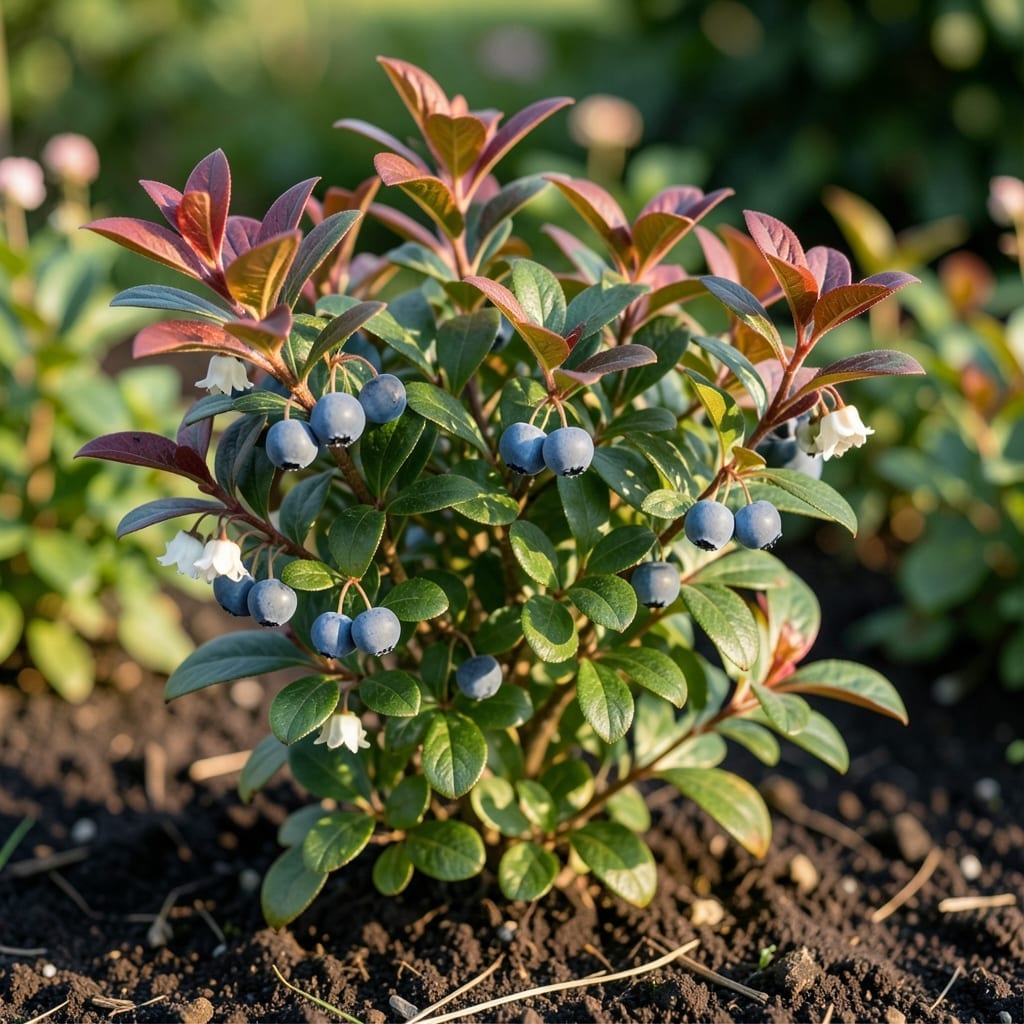
Red leaves on your blueberry bushes don’t always mean trouble. 🌿 I’ve seen my own plants flush crimson in fall, which is completely normal as they prepare for winter dormancy.
But if you’re seeing red in mid-summer, that’s your plant waving a white flag. The usual suspects are nutrient deficiencies, particularly phosphorus, or environmental stress from too much sun or not enough water.
Here’s the thing—blueberries are picky about soil pH. If it drifts above 5.5, they can’t absorb nutrients properly, and those leaves start turning red as a distress signal.
We’ll figure out whether you’re looking at seasonal beauty or a cry for help, and exactly what to do about it. No guesswork, just solutions.
Blueberry bushes turning red can signal natural processes or underlying issues. Here are the most common causes, explained with actionable insights:
In fall, cooler temperatures trigger anthocyanin production—a pigment that turns leaves red. This is a normal, harmless response as the plant prepares for dormancy. If the reddening aligns with autumn, no action is needed. However, unseasonal red leaves (e.g., summer) may indicate stress.
Red or purple leaves can result from phosphorus deficiency, often due to cold, waterlogged soil or high pH (blueberries thrive in pH 4.5–5.5). Test soil and amend with sulfur or acidic fertilizers if needed. Drought stress can also cause premature reddening—ensure consistent moisture without waterlogging.
Diseases like Phomopsis twig blight or root rot may cause reddening alongside wilting or leaf spots. Prune infected branches and improve drainage. Fungicides (e.g., copper-based) can help if applied early.
Some blueberry varieties (e.g., ‘Pink Lemonade’) naturally develop reddish foliage, especially in young shoots. If the plant is otherwise healthy, this is likely normal. Monitor growth patterns to confirm.
If your blueberry bushes are turning red, don’t panic—most causes are fixable with a few adjustments. Below are targeted solutions for the most common issues, along with prevention tips to keep your bushes thriving.
Fix: Shield bushes from extreme cold or heat. Use frost cloths in late fall or early spring, and provide afternoon shade in scorching summers. Mulch heavily with straw or wood chips to insulate roots.
Prevent: Plant cold-hardy varieties for your zone, and avoid late-season fertilizing, which encourages tender new growth.
Fix: Check soil moisture 2 inches deep—it should feel like a wrung-out sponge. Water deeply 1–2 times per week during dry spells, and improve drainage if roots are soggy. Drip irrigation works best to avoid wetting leaves.
Prevent: Mulch to retain moisture, and plant in well-draining, acidic soil (pH 4.5–5.5).
Fix: Test soil pH and amend with sulfur or peat moss if it’s too alkaline. Apply a balanced, acid-loving fertilizer (like 10-10-10 for blueberries) in early spring. For phosphorus deficiency, use bone meal or a phosphorus-rich supplement.
Prevent: Feed bushes annually with compost or a slow-release fertilizer, and retest soil every 2–3 years.
Fix: Inspect leaves for aphids, mites, or fungal spots. Spray with neem oil or insecticidal soap for pests, and remove infected leaves to stop disease spread. Prune for airflow to reduce humidity.
Prevent: Keep the area weed-free, and avoid overhead watering. Plant disease-resistant varieties if issues persist.
💡 Pro Tip: Early fall reddening is often normal, but if leaves turn red in spring or summer, act fast—your bushes may need immediate attention!
Not necessarily. In fall, it’s normal as plants prepare for dormancy. But if you see red leaves in spring or summer, it likely signals stress from nutrients, water, or disease.
Check your soil pH first. If it’s above 5.5, blueberries can’t absorb phosphorus properly. Test with a kit and amend with sulfur if needed. Purple-red leaves often indicate this deficiency.
Act quickly. Check for drought stress by feeling soil 2 inches deep. If dry, water deeply. Also inspect for pests or fungal spots and treat accordingly.
Yes, waterlogged soil can lead to root rot and phosphorus deficiency. Ensure good drainage and avoid soggy conditions. Mulch helps maintain consistent moisture without overwatering.