
Beautiful Plants For Your Interior
Beautiful Plants For Your Interior
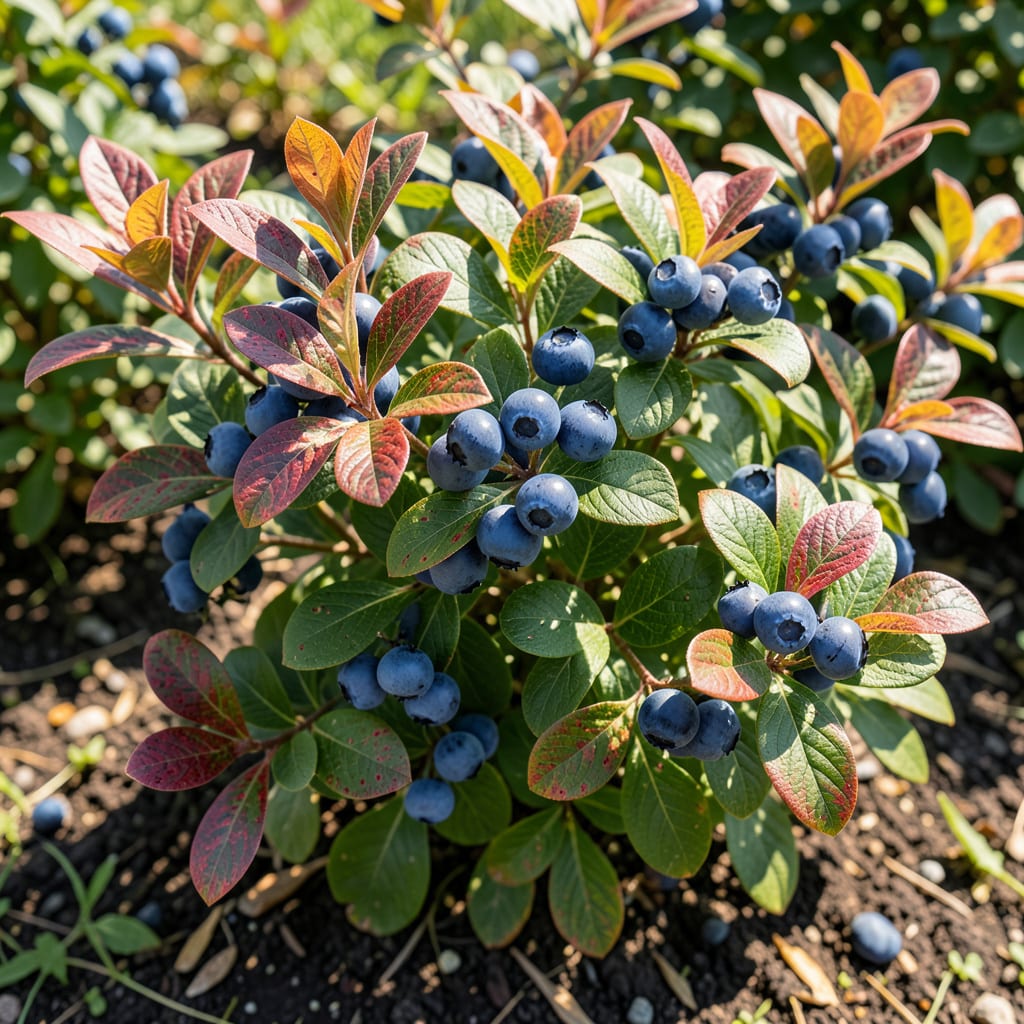
Those red spots on your blueberry leaves aren’t just unsightly—they’re a warning. I’ve seen healthy bushes turn into struggling plants overnight when this issue goes unchecked.
Here’s the thing—red spots usually signal one of three problems: fungus, pests, or environmental stress. The good news? Most are fixable if you catch them early.
With the right diagnosis, you can restore your bush to its vibrant green self before the problem spreads. I’ve saved dozens of plants using simple, targeted fixes.
No fancy equipment needed—just sharp eyes and a willingness to act fast. Let’s figure out what’s going on before it’s too late.
Red spots on blueberry bush leaves are a visual distress signal, often tied to environmental stress, pathogens, or nutrient imbalances. Here’s a breakdown of the most common causes:
Fungi like Exobasidium or Septoria thrive in damp, poorly ventilated conditions. Exobasidium causes red or pinkish spots that may turn white or tan as they mature, while Septoria creates small, circular red lesions with gray centers. These pathogens spread via water splashes, so overhead irrigation and crowded plantings worsen the issue.
Extreme temperatures, drought, or sudden frost can trigger red spotting. Heat stress may cause leaf margins to redden, while cold damage often leads to purplish-red blotches. Blueberries prefer consistent moisture and temperatures between 60–75°F (15–24°C). Poor drainage or waterlogged soil can also stress roots, manifesting as leaf discoloration.
Phosphorus or magnesium deficiencies often show up as reddish-purple spots or mottling, particularly on older leaves. Blueberries need acidic soil (pH 4.5–5.5) to absorb these nutrients. If the pH drifts too high, the plant can’t uptake essential minerals, leading to stress-induced red spotting.
Sap-sucking pests like spider mites or aphids can cause stippling or reddening where they feed. Their damage disrupts leaf cells, leading to localized red spots. Check the undersides of leaves for webbing (mites) or sticky residue (aphids) to confirm.
Addressing red spots on your blueberry bush leaves starts with identifying the root cause. Here’s how to tackle each issue effectively:
If fungal diseases like Anthracnose or Septoria leaf spot are the culprit, remove and destroy infected leaves immediately to prevent spreading. Apply a copper-based fungicide or neem oil to the plant, following label instructions. Improve air circulation by pruning dense foliage, and avoid overhead watering to keep leaves dry.
Prevention: Water at the base of the plant early in the day, and space bushes 4–6 feet apart for better airflow. 💡 Pro tip: A 1-inch layer of mulch can help prevent soil-borne spores from splashing onto leaves.
For pests like spider mites or lace bugs, spray the leaves with insecticidal soap or horticultural oil, focusing on the undersides where they often hide. Repeat every 5–7 days until the infestation clears. Introduce beneficial insects like ladybugs to keep pest populations in check naturally.
Prevention: Regularly inspect leaves, especially in hot, dry weather when pests thrive. Keep the area around your bushes free of debris where pests can overwinter.
If a soil test reveals low magnesium or potassium, amend the soil with Epsom salt (magnesium sulfate) or potassium sulfate. For iron deficiency, apply a chelated iron supplement or lower the soil pH to 4.5–5.5 using elemental sulfur, as blueberries absorb iron best in acidic conditions.
Prevention: Test soil annually and fertilize with a balanced, acid-loving plant food in early spring. ✨ Pro tip: Pine needle mulch can help maintain acidic soil over time.
For sunburn or heat stress, provide afternoon shade with shade cloth during extreme heat. Ensure consistent moisture—blueberries need 1–2 inches of water weekly, especially during fruit development. If cold damage is the issue, protect bushes with burlap wraps in late fall.
Prevention: Plant bushes in a location with morning sun and afternoon shade in hotter climates. Use drip irrigation to maintain steady soil moisture without wetting the leaves.
Not always! They can also indicate environmental stress like heat or cold damage. Check for patterns—disease spots often spread, while stress-related spotting may appear uniformly.
Fungal spots often have defined edges and may change color over time. Look for circular lesions with gray centers or a powdery texture. These thrive in damp conditions, so check your watering habits.
Yes! A mix of 1 tablespoon baking soda and 1 quart water can help with mild fungal issues. For pests, insecticidal soap works well. Always test on a small area first.
Most often, yes! With prompt treatment and proper care, new growth should emerge healthy. Severely damaged leaves may not recover, but the plant can bounce back.
