
Beautiful Plants For Your Interior
Beautiful Plants For Your Interior
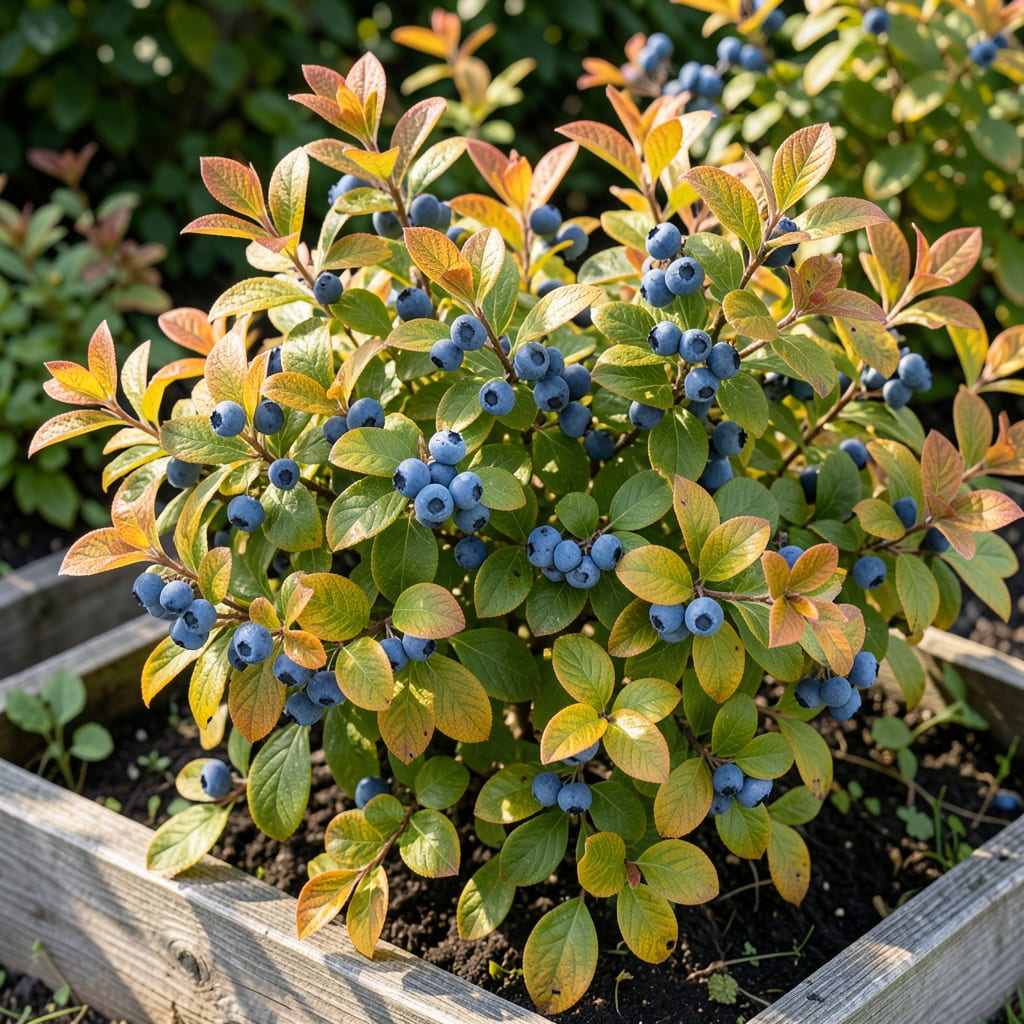
Yellow leaves on your blueberry bush aren’t just unsightly—they’re a cry for help. I’ve seen this happen too many times, and the culprit is usually hiding in plain sight: your soil.
Most gardeners assume it’s a watering issue, but blueberries are picky about pH levels and nutrients. Too much or too little of the wrong thing, and those leaves start fading fast. The good news? It’s fixable with a few simple tweaks.
Once you dial in the soil conditions, you’ll see new growth returning to that vibrant green within weeks. No fancy equipment needed—just a soil test and a willingness to adjust.
Works for potted bushes or in-ground plants. Here’s how to diagnose and fix it for good.
When blueberry bush leaves turn yellow, it’s often a sign of underlying stress. Here are the most common causes, explained with actionable insights:
Blueberries thrive in acidic soil (pH 4.0–5.5). A lack of iron or nitrogen due to improper pH can lead to chlorosis (yellowing between leaf veins). Iron becomes unavailable in alkaline soils, while nitrogen deficiency causes uniform yellowing, starting with older leaves. Test soil pH and amend with sulfur or iron chelates if needed.
Soggy roots suffocate the plant, reducing nutrient uptake. Yellow leaves may appear wilting or mushy. Ensure your blueberry bush is in well-draining, sandy loam and avoid waterlogging. Mulch with pine bark to retain moisture without drowning roots.
Phytophthora root rot or powdery mildew can stress the plant, leading to yellowing foliage. Look for spots, mold, or stunted growth. Treat with copper fungicides and improve air circulation. Remove infected leaves to prevent spread.
Extreme heat, frost, or too much direct sunlight (especially in young plants) can scorch leaves, turning them yellow or brown. Provide partial shade in hot climates and protect from late frosts with frost cloth.
Spider mites, aphids, or lace bugs sap nutrients from leaves, causing yellow stippling or curling. Inspect leaf undersides and treat with neem oil or insecticidal soap at first signs of damage.
If your blueberry bush leaves are turning yellow, don’t panic—these fixes can nurse your plant back to health. Below are targeted solutions for the most common causes, along with prevention tips to keep your bush thriving.
Fix: Test your soil with a home kit to identify missing nutrients. For nitrogen deficiency, apply a balanced, acid-loving fertilizer (10-10-10) or organic options like composted manure. If iron is the culprit, use chelated iron supplements or lower soil pH to improve iron uptake. Magnesium shortages can be fixed with Epsom salt (1 tablespoon per gallon of water) sprayed on leaves.
Prevent: Fertilize in early spring and mid-summer with a product formulated for acid-loving plants. Avoid over-fertilizing, which can burn roots.
Fix: Blueberries need acidic soil (pH 4.0–5.5). Test your soil pH and amend it if needed. To lower pH, mix in elemental sulfur (follow package instructions) or peat moss. For raising pH (rare for blueberries), add lime sparingly. Retest soil after 2–3 months.
Prevent: Use pine bark mulch or pine needle mulch to maintain acidity naturally. Recheck pH annually.
Fix: Let the soil dry slightly between waterings. If drainage is poor, amend the soil with compost or sand. For container plants, ensure pots have drainage holes. Trim any waterlogged, mushy roots to prevent rot.
Prevent: Water deeply but less frequently (1–2 inches per week). Use drip irrigation to avoid wetting leaves, which can invite fungal issues.
Fix: Inspect leaves for pests like aphids or spider mites. Blast them off with water or use insecticidal soap. For fungal diseases (e.g., leaf spot), remove infected leaves and apply a copper-based fungicide.
Prevent: Keep the area around the bush clean and free of debris. Prune for better airflow, and avoid overhead watering.
💡 Pro Tip: Yellow leaves won’t turn green again, but fixing the underlying issue will help new growth stay vibrant. Stay consistent with care, and your blueberry bush will bounce back!
Water deeply 1-2 times per week, providing about 1-2 inches of water. Let the top inch of soil dry between waterings to prevent overwatering.
Use a mix of 50% peat moss and 50% pine bark fines for acidity. This ensures proper drainage while maintaining the pH 4.0–5.5 range they love.
No, yellow leaves won’t turn green again, but fixing the root cause will help new growth stay healthy. Focus on soil pH and nutrient balance for future leaves.
Use a home soil test kit from any garden center. Follow the instructions carefully, and retest every 2-3 months after amending.
