
Beautiful Plants For Your Interior
Beautiful Plants For Your Interior
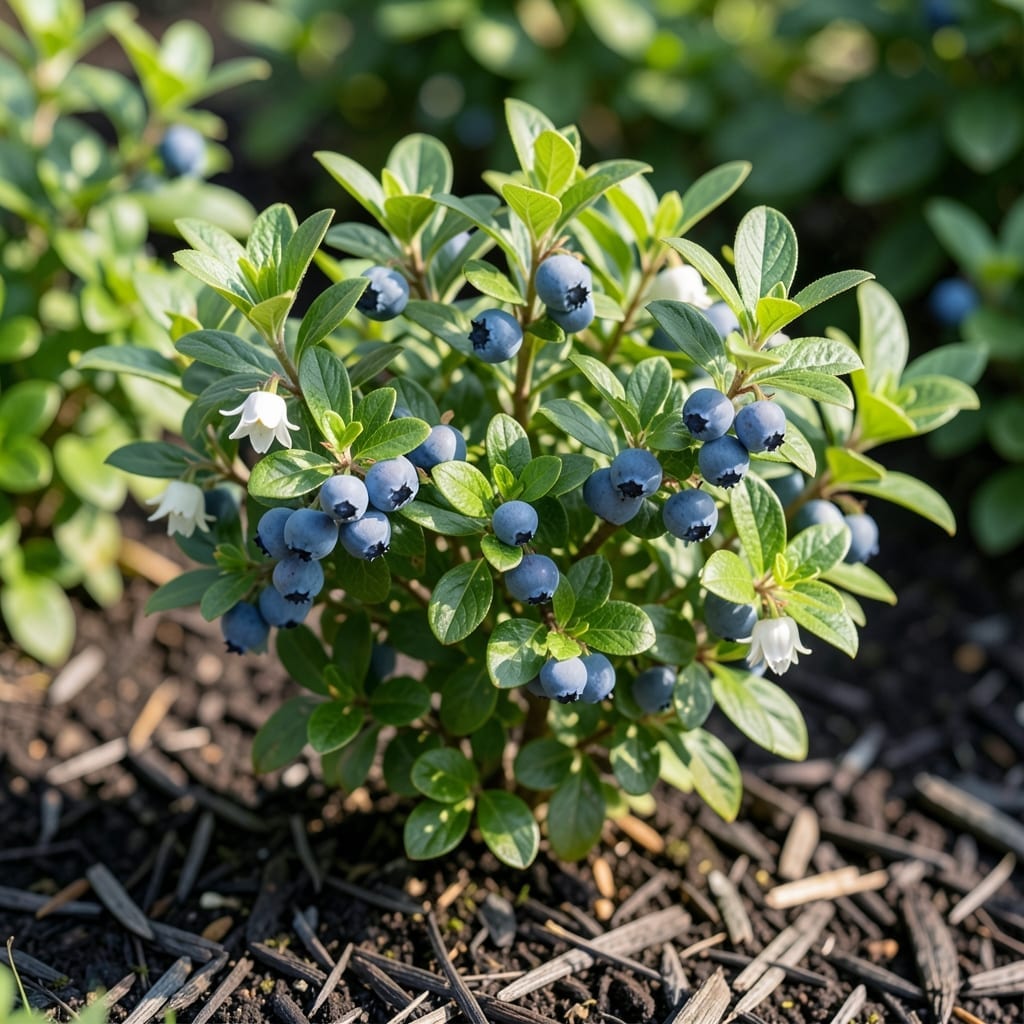
There’s nothing quite like biting into a sweet, juicy berry you’ve grown yourself. With the 🫐 Blueberry Bush, you can turn that dream into reality—but only if you get the sunlight right.
The difference between a lackluster harvest and a bumper crop often comes down to one thing: exposure. Full sun isn’t just a suggestion—it’s the foundation for healthy growth and maximum yield.
I’ve seen firsthand how proper sunlight transforms these shrubs. In zone 6a, the right conditions can mean plump, flavorful berries by July.
Discover how to harness the power of sunlight to grow your best Blueberry Bush yet. Let’s get started.

I’ve learned that blueberry bushes thrive when they get 6+ hours of direct sunlight daily. This isn’t just a preference—it’s a necessity for their biological processes, especially photosynthesis and fruit development.
Full sun exposure ensures your bushes produce plump, sweet berries rather than small, tart ones. Without enough light, the plants struggle to create the sugars that make blueberries so delicious.
| Requirement | Specification |
|---|---|
| Daily Sunlight | 6+ hours direct sun |
| Light Type | Full sun (direct) |
| Best Window | South-facing |
| Zone Suitability | USDA 3-7 |
| Ideal Season | Spring to early fall |
In my experience, bushes in full sun also develop stronger disease resistance. The sunlight helps dry the foliage quickly, reducing the risk of fungal infections that thrive in damp, shaded conditions.
For the best results, I recommend planting your bushes in a south-facing location. This ensures they receive the most intense sunlight throughout the day, especially during the growing season from April to August.
I’ve noticed that bushes getting morning sun and afternoon shade often produce fewer berries. The consistent, direct light of full sun is what really boosts fruit production and overall plant health.
If you’re in a hotter climate, don’t worry—blueberries can handle the heat as long as they’re well-watered. The key is ensuring they get that minimum 6 hours of direct light, even if temperatures climb.
Another benefit of full sun is better air circulation. This helps prevent common issues like powdery mildew, which can stunt growth and reduce your harvest. Sunlight is nature’s disinfectant for your bushes.
For those in cooler zones, like USDA 6a, full sun is even more critical. The extra warmth helps the bushes ripen fruit fully before the first frost, ensuring you get the sweetest berries possible.
I always tell fellow gardeners: if you want the best blueberries, prioritize sunlight. It’s the foundation for healthy growth, abundant fruit, and a thriving bush that will reward you for years to come. ☀️
With proper exposure, you’ll notice your bushes grow taller and fuller, with more branches to bear fruit. This leads to a more productive plant overall.
While full sun fuels growth, too much heat can stress your blueberry bushes. In peak summer, I’ve seen berries scorch when temps climb above 90°F. The key is balance.
Start by applying a 2-3 inch layer of organic mulch. This keeps roots cool and retains soil moisture, which is critical during heatwaves.
If your region gets intense afternoon sun, consider temporary 30% shade cloth. I use it during heat spikes, and it prevents berry scald without blocking needed light.
Drip irrigation is your best friend here. It delivers water directly to roots, reducing evaporation. Set timers for early morning to let foliage dry before peak sun.
Watch for wilting leaves or dry soil—these are red flags. A quick soil check with my finger tells me if it’s time to water. Consistency beats occasional deep soaks.
Grouping plants creates natural shade and humidity. In my garden, bushes planted in clusters handle heat better than isolated ones. It’s a simple but effective trick.
With these steps, your bushes will thrive even in hot climates. The reward? Sweeter, plump berries all season long. ☀️