
Beautiful Plants For Your Interior
Beautiful Plants For Your Interior
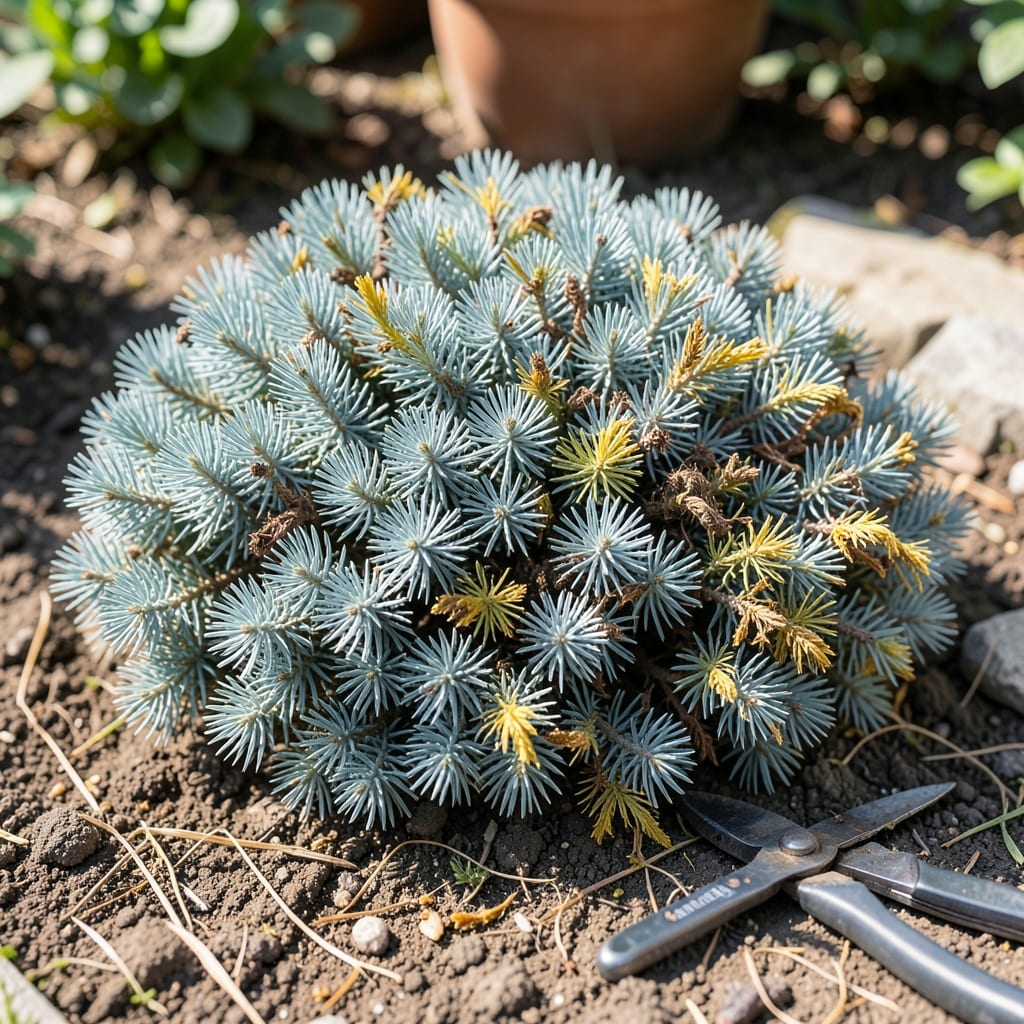
I’ve lost count of how many Blue Star Junipers I’ve saved from the brink. These tough little shrubs can handle a lot, but even they hit trouble sometimes.
Most issues boil down to three things: too much water, not enough light, or the wrong soil. Get these right and you’ll have a healthy, silvery-blue plant that thrives with almost no attention.
I’ve seen them bounce back from brown patches, stunted growth, and even pest attacks. The fixes are usually simpler than you think.
Between you and me, the biggest mistake is overthinking it. These plants want to grow – we just need to stop getting in their way.
The Blue Star Juniper (Juniperus squamata ‘Blue Star’) is a hardy, drought-tolerant shrub, but even the toughest plants face challenges. Understanding the root causes of its problems helps you address them effectively. Below are the most common triggers for its decline or poor health.
While this juniper thrives in USDA zones 4-8, sudden temperature swings or prolonged exposure to extreme heat or cold can stress the plant. In winter, frozen roots or desiccating winds damage foliage, leading to browning. In summer, heat scorch (especially in full sun with poor airflow) causes needle burn. This species prefers cool to moderate climates and struggles in humid, high-heat regions.
Blue Star Juniper is drought-resistant but intolerant of soggy soil. Root rot (often caused by Phytophthora or Pythium fungi) occurs when waterlogged conditions suffocate the roots. Signs include yellowing foliage, wilting, and a foul odor from the soil. Compacted or clay-heavy soil exacerbates this, as it traps moisture. Always ensure well-draining soil and avoid overwatering.
Common pests like spider mites, scale insects, and juniper webworms target this shrub. Spider mites thrive in hot, dry conditions, sucking sap and causing stippled, discolored needles. Scale insects (e.g., Carulaspis juniperi) appear as white or brown bumps on stems, weakening the plant. Webworms spin silky tents in branches, defoliating sections. Stressed plants (due to drought or poor soil) are more vulnerable to infestations.
Phomopsis blight and cedar-quince rust are frequent fungal culprits. Phomopsis causes brown, dying tips and cankers on stems, often in wet, humid weather. Cedar-quince rust (from Gymnosporangium fungi) produces orange, gelatinous galls on branches. Both spread via overhead watering or poor air circulation, so proper spacing and drip irrigation can prevent outbreaks.
When your Blue Star Juniper shows signs of trouble, quick and targeted action can restore its health. Below are practical fixes for the most common problems, along with prevention tips to keep your plant thriving.
If the needles turn yellow, poor drainage is often the culprit. Repot the juniper in well-draining, sandy soil or amend the existing soil with perlite or coarse sand. Ensure the container has drainage holes, or plant it in a raised bed if in the ground. Prevention tip 💡: Avoid overwatering—let the top inch of soil dry out between waterings.
Browning tips or wilting usually signal under- or overwatering. Check the soil moisture 2 inches deep—if it’s bone dry, water deeply; if soggy, hold off until it dries. Mulch around the base to retain moisture without waterlogging. Prevention tip 💡: Use a moisture meter to monitor soil conditions accurately.
Spider mites and scale insects love dry, stressed junipers. Spray with neem oil or insecticidal soap every 7–10 days until pests are gone. For severe infestations, prune heavily affected branches. Prevention tip ✨: Encourage beneficial insects like ladybugs by planting companion flowers nearby.
Blackened or moldy foliage often means fungal issues like Phomopsis blight. Remove infected branches immediately and dispose of them (not in compost). Apply a copper-based fungicide, and improve air circulation by thinning dense growth. Prevention tip 🌡️: Water at the base, not the foliage, and avoid overhead irrigation.
Slow growth may indicate nutrient deficiency or insufficient light. Feed with a balanced, slow-release fertilizer in early spring. Ensure the plant gets at least 6–8 hours of sunlight daily. Prevention tip 🎯: Test soil pH (juniper prefers 6.0–7.5) and amend if needed.
Brown tips often mean underwatering or heat stress. Check soil moisture 2 inches deep—if dry, water deeply. In hot climates, provide afternoon shade to prevent scorch.
Yellowing foliage and a foul soil smell signal root rot. Stop watering immediately and repot in fresh, well-draining soil. Let the top inch dry between waterings.
Spray with neem oil or insecticidal soap every 7-10 days until gone. Increase humidity around the plant to deter future infestations.
Prune infected branches and apply copper fungicide. Improve airflow by thinning dense growth and avoid overhead watering.