
Beautiful Plants For Your Interior
Beautiful Plants For Your Interior
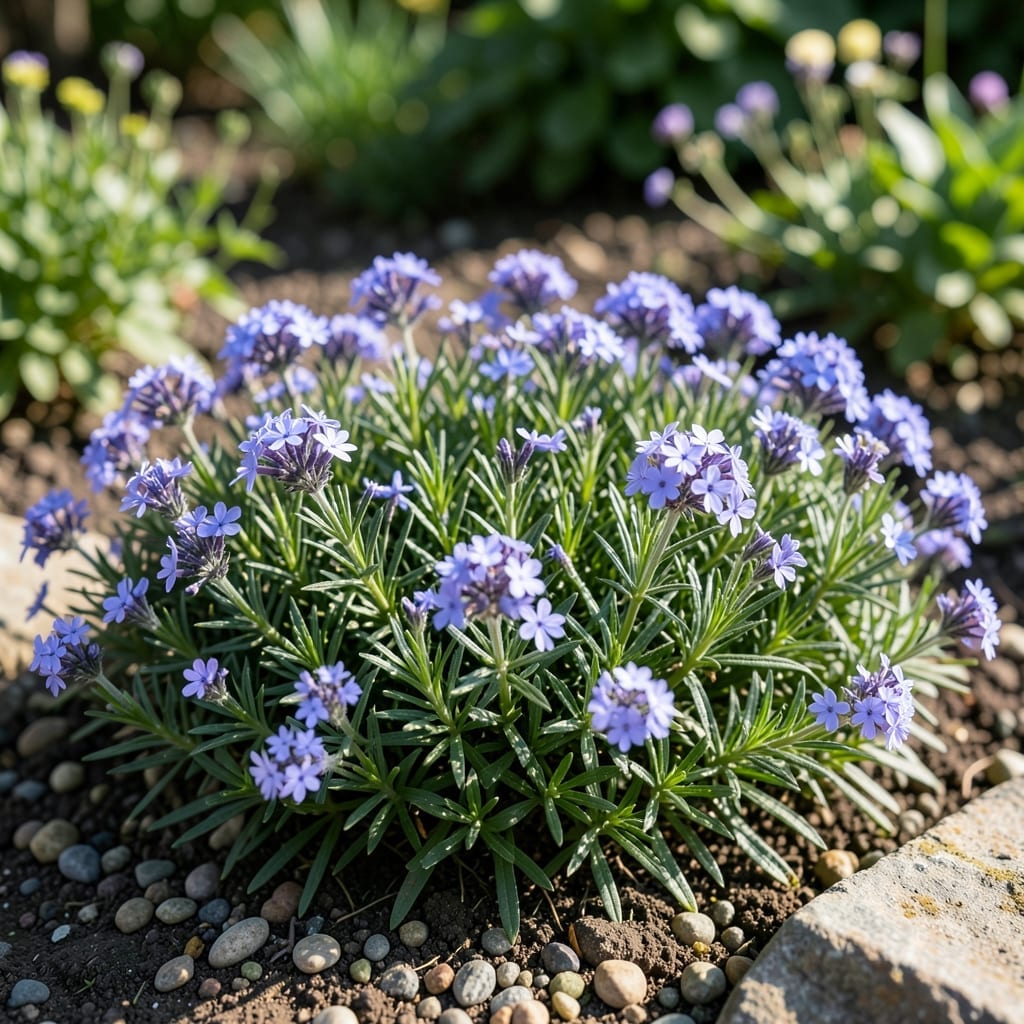
That first burst of vibrant blue in early spring always stops me in my tracks. Blue phlox subulata carpets the ground with color when most plants are still waking up, and it asks almost nothing in return.
I planted my first patch in a rocky, sunny spot where nothing else would grow. Within a year, it spread into a dense mat that chokes out weeds and looks stunning cascading over rocks or garden edges.
This plant thrives on neglect—drought doesn’t phase it, deer leave it alone, and it comes back bigger and better every year. The needle-like foliage stays green all season, even after the flowers fade.
Perfect for slopes, borders, or filling gaps between stepping stones. It handles poor soil, full sun, and even that awkward dry shade under trees.
Understanding why Phlox subulata struggles can help you revive its vibrant blue blooms. Here are the most common causes and their scientific explanations:
Phlox subulata thrives in slightly acidic to neutral soil (pH 6.0–7.0). When soil pH rises above 7.5, iron and other essential micronutrients become less soluble, leading to chlorosis (yellowing leaves) and stunted growth. Test soil with a kit and amend with sulfur or peat moss to lower pH if needed.
This species prefers well-draining soil. Excess moisture suffocates roots, promoting root rot caused by fungal pathogens like Phytophthora. Ensure planting sites have sandy or loamy soil, and avoid overhead watering to prevent fungal spores from spreading.
Phlox subulata requires full sun to partial shade (6+ hours of sunlight). In deep shade, photosynthesis slows, reducing carbohydrate production needed for flowering. Relocate plants to sunnier spots or prune nearby trees to improve light exposure.
Spider mites and aphids sap plant juices, weakening growth. These pests thrive in dry, hot conditions. Use neem oil or insecticidal soap for control, and encourage natural predators like ladybugs by planting companion species.
Keeping blue phlox subulata thriving is simple once you address its most common problems. Below are targeted fixes for typical issues, along with prevention tips to keep your ground cover lush and vibrant.
Fix: This often happens due to insufficient sunlight or overcrowding. Thin out dense patches in early spring to improve air circulation, and ensure the plants receive at least 6 hours of sunlight daily. If your garden is shady, consider relocating the phlox to a sunnier spot.
Prevention: Plant in well-draining soil and space clusters 12–18 inches apart to allow room for growth. Fertilize lightly in early spring with a balanced, slow-release product.
Fix: Wilting usually signals underwatering or root rot from poor drainage. Check the soil: if it’s bone-dry, water deeply; if it’s soggy, improve drainage by amending with compost or sand. Trim back affected foliage to redirect energy to healthy growth.
Prevention: Water at the base 1–2 times per week, depending on rainfall, and avoid overhead watering to prevent fungal issues. Mulch lightly to retain moisture without suffocating roots.
Fix: Spider mites and aphids love dry conditions. Blast them off with a strong stream of water, or apply neem oil or insecticidal soap at dusk. For severe cases, introduce beneficial insects like ladybugs.
Prevention: Keep the area weed-free and maintain consistent moisture. 💡 Pro tip: Companion planting with lavender or catmint can deter pests naturally.
Fix: If frost or snow has left your phlox looking ragged, prune back dead growth in early spring to encourage new shoots. Avoid heavy pruning in fall, as the foliage helps insulate the roots.
Prevention: Apply a 2-inch layer of mulch around the base in late fall to protect against temperature swings. Evergreen boughs can also provide extra cover in harsh climates.
It spreads moderately, reaching 12-18 inches wide in a season. Under ideal conditions, it can form a dense mat within 2-3 years.
Not usually! It thrives in poor soil but benefits from a light application of balanced fertilizer in early spring. Avoid over-fertilizing, which can reduce blooms.
Yes, but choose a wide, shallow container with drainage holes. Use well-draining soil and ensure it gets 6+ hours of sunlight daily.
Leggy growth often means too much shade or overcrowding. Trim back in early spring and relocate to a sunnier spot if needed.