
Beautiful Plants For Your Interior
Beautiful Plants For Your Interior
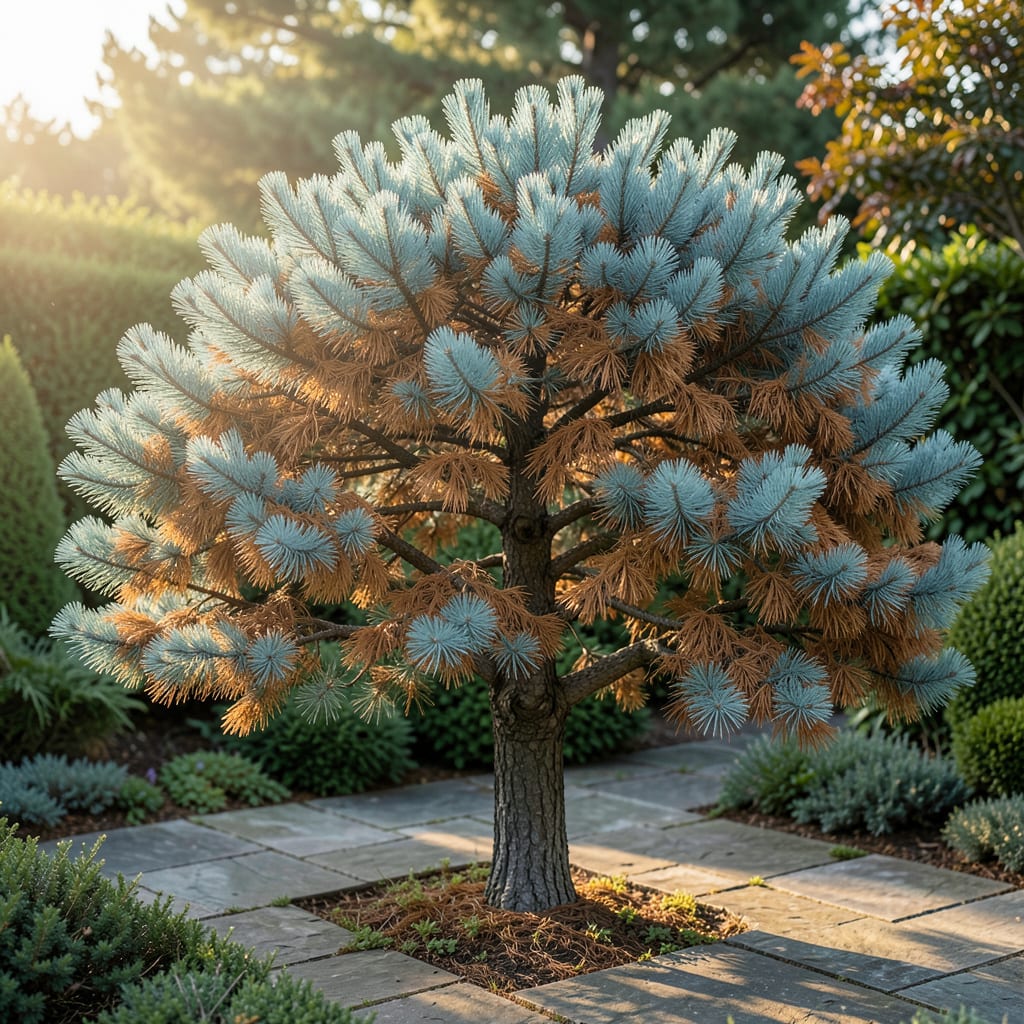
Nothing ruins a landscape faster than watching your blue atlas cedar lose its color. I’ve seen this happen in my own yard, and the fix usually starts with a closer look at water and soil.
Often it’s drought stress, but fungal issues or pests can turn needles brown just as fast. The good news? Most causes are reversible if you act early.
With the right adjustments—consistent watering, improved drainage, or targeted treatment—you’ll see new green growth within weeks.
Prevention is simpler than cure, so let’s start with the basics before the problem spreads.
Blue Atlas cedars (Cedrus atlantica ‘Glauca’) are prized for their striking blue-green foliage, but when their needles turn brown, it’s often a sign of underlying stress. Below are the most common causes, each with clear explanations to help diagnose the issue.
These trees thrive in consistently moist but well-drained soil. Prolonged dry spells—especially in hot, arid climates—can cause the needles to desiccate and turn brown. Cedar roots are shallow, making them particularly vulnerable to water deficits. Deep, infrequent watering (1–2 inches per week) is critical during dry periods to prevent moisture-related browning.
While drought is a common culprit, soggy soil can be just as damaging. Blue Atlas cedars hate waterlogged roots, which suffocate and lead to root rot. Symptoms include yellowing followed by browning, often starting at the base. Ensure the planting site has excellent drainage—amend heavy clay soils with organic matter or consider raised beds.
Fungi like Phomopsis or Botryosphaeria can infect stressed cedars, causing needle blight. Look for brown or blackened needles with a distinct line between healthy and affected tissue. These pathogens thrive in humid, poorly ventilated conditions. Prune to improve airflow, remove infected branches, and apply copper-based fungicides preventatively in wet seasons.
Sap-sucking pests such as spider mites, scale insects, or cedar bark beetles can weaken the tree, leading to browning. Check for webbing (mites), sticky residue (scale), or tiny holes (beetles). Treat with horticultural oil or insecticidal soap in early infestations. Severely infested branches may need removal.
Extreme temperature swings, late frosts, or winter burn (from dry winds and freezing) can scorch needles. Young trees are especially susceptible. Protect them with burlap wraps in winter and ensure they’re planted in a sheltered location away from harsh winds.
While less common, a lack of magnesium or iron can cause discoloration. Yellowing between needle veins (interveinal chlorosis) often signals iron deficiency in alkaline soils. A soil test can confirm imbalances—amend with chelated iron or Epsom salts as needed.
If your Blue Atlas Cedar is turning brown, don’t panic—there are practical solutions to nurse it back to health. Below are targeted fixes for common causes, along with prevention tips to keep your tree thriving.
Fix: Reduce watering immediately and check the soil. If it’s soggy, improve drainage by amending the soil with sand or gravel. For potted cedars, ensure the container has drainage holes.
Prevention: Water only when the top 2-3 inches of soil are dry. Use a moisture meter to avoid guesswork. 💡
Fix: Deep-water the tree slowly at the base (not the needles) to encourage root growth. Mulch around the base to retain moisture, but keep mulch away from the trunk to prevent rot.
Prevention: Establish a consistent watering schedule, especially during dry spells. Young trees need more frequent watering than mature ones. 🌡️
Fix: Prune infected branches with sterilized shears and dispose of them far from the tree. Apply a copper-based fungicide as directed. For root rot, improve drainage and avoid overhead watering.
Prevention: Space trees properly for airflow, and water at the base to keep foliage dry. Remove fallen debris promptly. ✨
Fix: Spray the tree with horticultural oil or insecticidal soap, focusing on the undersides of needles. For severe infestations, use a targeted pesticide labeled for cedars.
Prevention: Inspect the tree regularly for early signs of pests. Encourage beneficial insects like ladybugs by planting companion flowers nearby. 🎯
Fix: Shield the tree from harsh winds or extreme sun with burlap wraps or shade cloth. For winter burn, prune damaged branches in early spring to promote new growth.
Prevention: Plant cedars in a location with partial shade in hot climates. Apply anti-desiccant sprays in late fall to protect against winter dryness. 🌿
Yes, if you act quickly. Drought stress and pest issues often recover with proper care. Remove damaged branches and address the root cause.
Water deeply 1-2 times per week, ensuring the top 2-3 inches of soil dry between waterings. Use a moisture meter for accuracy.
For fungal issues, apply a copper-based fungicide every 2-3 weeks during wet seasons. Always follow label instructions carefully.
This often signals overwatering or poor drainage. Check soil moisture and improve airflow around the base.
