
Beautiful Plants For Your Interior
Beautiful Plants For Your Interior
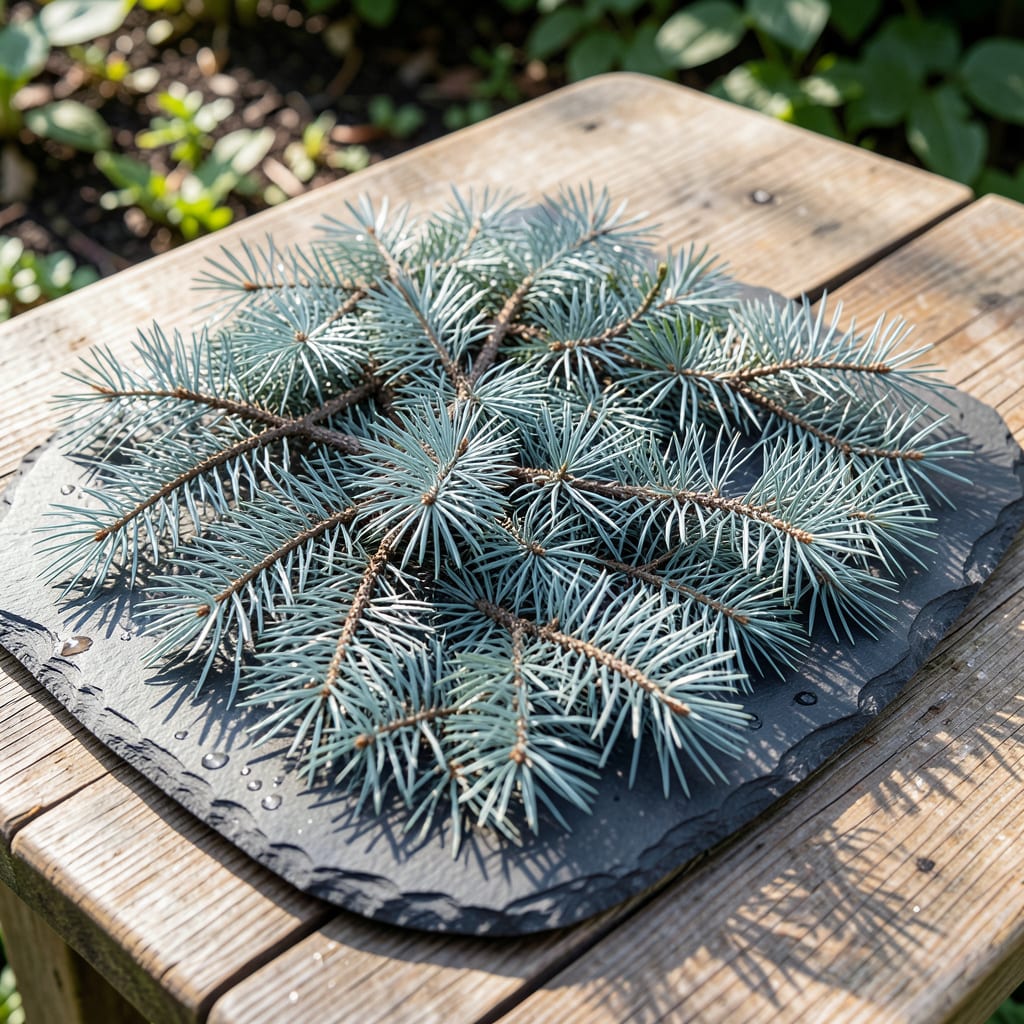
I planted my first Blue Atlas Cedar for those dramatic silvery-blue needles that catch the light like polished metal. It’s the kind of tree that makes people stop and stare, even in winter when everything else looks dull.
These cedars thrive with minimal fuss—just give them full sun and well-drained soil. The foliage stays vibrant year-round, and the shape is naturally striking without pruning. A low-maintenance showstopper for any landscape.
📚 In This Guide
Here’s the method I use to maintain those stunning silvery-blue needles year after year.
Blue Atlas cedar leaves, or needles, grow in dense clusters along the branches. These evergreen needles maintain their color through all seasons, but their vibrancy depends on proper care. I’ve noticed the most intense blue tones appear when the tree receives full sun for at least 6-8 hours daily.
New growth emerges as bright, almost electric blue in spring, gradually deepening to steel blue as it matures. This seasonal color shift is normal and part of the tree’s charm. If your cedar’s needles appear dull or grayish, it’s often a sign of insufficient light or poor soil conditions.
Established Blue Atlas cedars are drought-tolerant, but consistent moisture during the first 2-3 years is critical. I water deeply at the base, ensuring the soil is moist to a depth of 12-18 inches. After that, the tree’s deep roots can access water on their own, and I reduce watering to only during prolonged dry spells.
Overwatering is a bigger risk than underwatering—cedars despise soggy roots. Let the top 2-3 inches of soil dry out between waterings. If you see yellowing needles, particularly at the tips, it’s often a sign of overwatering rather than drought.
Pruning Blue Atlas cedar should be minimal and strategic. I remove only dead, diseased, or crossing branches, using clean, sharp tools to avoid tearing the needles. The best time to prune is in late winter or early spring, just before new growth starts.
Avoid heavy pruning, as this can stress the tree and lead to unsightly bare spots. If you need to shape the tree, do so lightly and gradually over 2-3 years. Always step back frequently to assess your work—the silvery-blue needles can make it hard to see where you’ve cut until it’s too late.
Blue Atlas cedars aren’t heavy feeders, but a light application of balanced fertilizer in early spring can enhance needle color and growth. I use a slow-release, 10-10-10 fertilizer, applying it at half the recommended strength to avoid burning the roots.
If your cedar’s needles look lackluster, a soil test might reveal deficiencies in iron or magnesium, which are common in cedars. In that case, I supplement with chelated iron or Epsom salts, following package instructions carefully. Over-fertilizing can lead to excessive green growth, which dilutes the blue color you’re aiming for.
Keep an eye out for spider mites or bagworms, which can damage the needles. I inspect the tree regularly, particularly in late summer, when these pests are most active. A strong blast of water can dislodge spider mites, while bagworms may need to be picked off by hand or treated with horticultural oil.
Fungal diseases, like root rot or needle blight, often appear as discolored or dropping needles. Prevent these by ensuring good air circulation around the tree and avoiding overhead watering. If you spot early signs, treat with a fungicide labeled for cedars, but I’ve found that proper care usually keeps these issues at bay.
These insights will help you maintain vibrant needles without the trial and error I went through.
Sunlight Secret: In Step 1, that 6-8 hours of full sun daily isn’t just a suggestion—it’s the difference between dull and dazzling. I learned this the hard way after planting one in partial shade. Position your cedar where it gets morning sun and at least some afternoon exposure for the most intense blue tones.
The Watering Balance: During those critical first 2-3 years mentioned in Step 2, I recommend using a moisture meter to check that 12-18 inch depth. Cedar roots grow deep quickly, but they need consistent moisture to establish properly. After establishment, watering deeply but infrequently trains the roots to grow downward.
Pruning Precision: Step 3’s advice about minimal pruning is spot-on. I once made the mistake of aggressive shaping in summer, which stressed the tree and caused brown patches. Stick to late winter or early spring, and remember that gradual shaping over 2-3 years produces the most natural, healthy form.
Fertilizer Finesse: The Step 4 recommendation for half-strength 10-10-10 fertilizer in early spring is perfect. I’ve found that applying it just as new growth begins gives the best color boost. If you notice green shoots overwhelming the blue, you might be over-fertilizing—cedars prefer lean conditions for that signature blue hue.
Keep the soil moist but well-drained, and ensure full sun to partial shade. Prune lightly in late winter to maintain shape, and avoid overwatering to prevent root rot.
The silvery-blue needles remain vibrant year-round, but they may develop a slight bronze tint in harsh winter conditions. This is normal and fades as temperatures rise.
Consider Blue Spruce or Deodar Cedar for comparable blue-green needles. Both offer striking color and evergreen appeal with slightly different growth habits.
Brown needles often signal drought stress, poor drainage, or fungal issues. Check soil moisture, improve airflow, and remove affected branches to prevent spread.
Yes! The fragrant, durable needles add texture and color to cut arrangements. Harvest sprigs in the morning for maximum freshness and longevity.
