
Beautiful Plants For Your Interior
Beautiful Plants For Your Interior
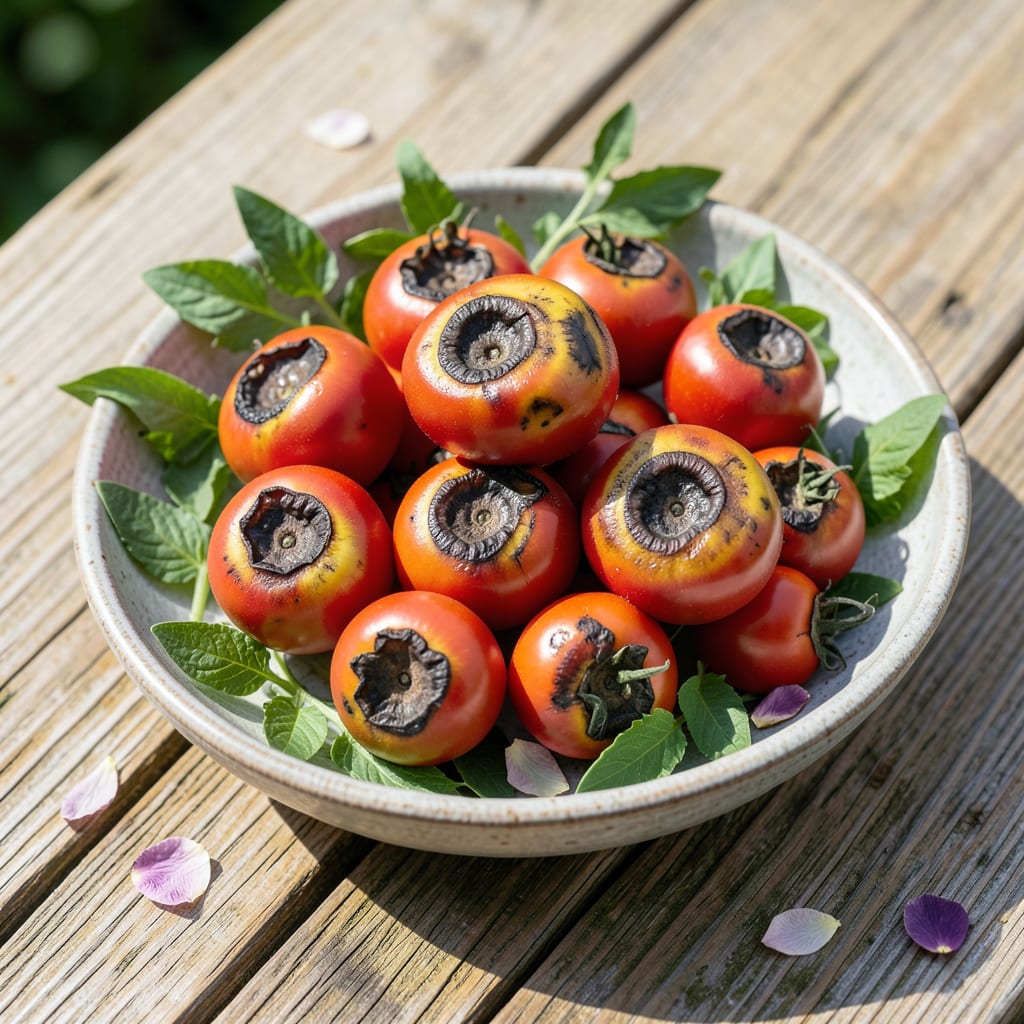
Nothing kills tomato momentum like watching perfect fruit rot from the bottom up. I lost half my harvest to this last summer before learning the real culprits: calcium and water.
The first sign is brown leather patches on the blossom end of green tomatoes. It’s not a disease—it’s your plant screaming for help. Most gardeners blame soil, but inconsistent watering causes 90% of cases.
Fix it with crushed eggshells, lime, or a calcium spray. The real game-changer? Mulch and a watering schedule that never lets soil swing between drought and flood.
Your plants will thank you with healthy, rot-free tomatoes all season. No more heartbreak at harvest time.
Blossom end rot in tomatoes is primarily caused by a calcium deficiency in the developing fruit, but several environmental and cultural factors can disrupt calcium uptake. Below are the most common triggers, explained scientifically for actionable prevention.
Tomatoes require consistent calcium to build strong cell walls. If soil tests reveal low calcium levels (below 1,000 ppm), the plant cannot access enough to support fruit development. Sandy or acidic soils (pH < 6.0) often lack sufficient calcium, while over-fertilization with potassium or magnesium can block calcium absorption.
Calcium moves through the plant via water flow in the xylem. Irregular watering—drought followed by overwatering—disrupts this transport. Fluctuating soil moisture causes uneven calcium distribution, leaving the blossom end (farthest from the stem) starved. Mulching and drip irrigation help maintain steady moisture levels.
During heatwaves or after heavy nitrogen fertilization, tomatoes may grow too quickly. The demand for calcium outpaces supply, and the fruit’s distal tissues (blossom end) suffer first. Pruning excess foliage or using slow-release fertilizers can moderate growth rates.
Compromised roots (from over-cultivation, nematodes, or compaction) reduce calcium uptake. Similarly, cold soil (below 55°F) slows root activity. Amending soil with organic matter and avoiding root disturbance improves nutrient absorption.
Addressing these factors ensures calcium reaches the fruit consistently, preventing blossom end rot before it starts.
Blossom end rot can be frustrating, but these targeted fixes will get your tomatoes back on track. Address the root causes with these practical solutions to restore healthy growth.
Add calcium directly to the soil by mixing in crushed eggshells or gypsum. For a quick fix, use a calcium-rich foliar spray (like calcium nitrate) and apply it to the leaves. Avoid high-nitrogen fertilizers, as they can block calcium uptake.
Prevention tip: 💡 Test your soil before planting and amend it with lime if calcium levels are low.
Tomatoes need consistent moisture—neither too dry nor waterlogged. Use drip irrigation or a soaker hose to deliver water directly to the roots, and maintain a mulch layer to retain soil moisture. Water deeply 1-2 times per week, adjusting for rainfall.
Prevention tip: 🌡️ Monitor soil moisture with your finger—water when the top inch feels dry.
If your plants are growing too fast, the roots can’t keep up with calcium demand. Prune suckers (the shoots between the main stem and branches) to redirect energy. Avoid over-fertilizing with nitrogen, which fuels leafy growth at the expense of fruit health.
Prevention tip: ✨ Use a balanced fertilizer (e.g., 10-10-10) to encourage steady, healthy growth.
Tomatoes thrive in soil with a pH of 6.0–6.8. Test your soil and amend it with lime (to raise pH) or sulfur (to lower pH) as needed. This ensures nutrients, including calcium, are readily available.
Prevention tip: 🎯 Retest soil pH every 2-3 years, as it can drift over time.
With these fixes, your tomatoes will bounce back—and you’ll enjoy a rot-free harvest! 🍅
Look for dark brown, leathery patches forming on the bottom of the fruit. These spots start small but can spread quickly, often becoming sunken and dry. Early detection is key to saving the rest of your crop.
Yes, you can cut off the affected area and eat the rest. The rot only impacts the fruit’s appearance and texture, not its safety. However, severely damaged tomatoes may taste bitter.
Apply a calcium spray directly to the leaves for quick absorption. Also, water deeply and consistently to restore moisture balance. Results should appear within 1-2 weeks.
No, it’s not contagious. However, nearby tomato plants may develop the same issue if they share the same soil conditions. Addressing soil health will prevent future outbreaks.
