
Beautiful Plants For Your Interior
Beautiful Plants For Your Interior
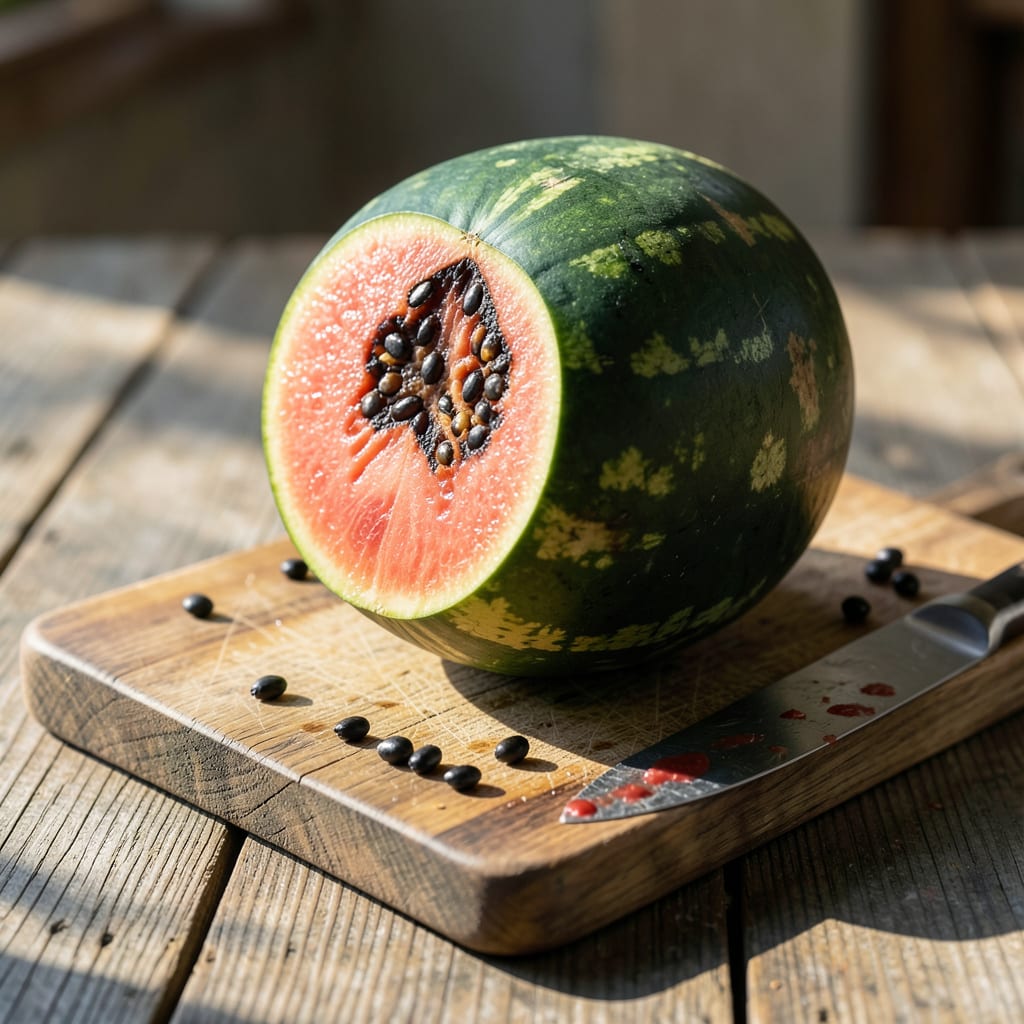
Nothing kills watermelon excitement like finding dark, sunken spots on the bottom of your fruit. I’ve watched entire crops turn to mush overnight from this silent killer, but there’s a way to stop it in its tracks.
Blossom end rot hits when calcium can’t reach the developing fruit fast enough. It’s not a disease—it’s a nutritional traffic jam that leaves your watermelons vulnerable at their most critical growth stage.
You’ll spot the first signs as small, water-soaked areas that darken and spread. Catching it early means you can still save most of your harvest with a few simple adjustments to your watering and feeding routine.
Works for garden beds, raised boxes, or container plants. Here’s how to fix it and keep it from coming back.
Blossom end rot in watermelons is primarily a physiological disorder caused by calcium deficiency in the developing fruit. However, the root causes are often more complex than just a lack of calcium in the soil. Below are the key factors that trigger this frustrating issue.
The most direct cause is insufficient calcium supply in the fruit’s cells. Even if soil tests show adequate calcium, rapid fruit growth, uneven watering, or poor calcium mobility within the plant can lead to localized deficiencies. Watermelons require a steady supply of calcium during cell division, and interruptions in uptake—often due to high ammonium nitrogen fertilization or excessive potassium or magnesium—can block calcium absorption.
Fluctuating soil moisture—drought stress followed by overwatering—disrupts calcium transport. Calcium moves through the plant via transpiration streams, and when water supply is erratic, the nutrient fails to reach the fruit. Mulching and drip irrigation can help maintain consistent moisture levels, reducing the risk.
High temperatures or sudden cold snaps can slow root activity, limiting calcium uptake. Heat stress increases water evaporation from leaves, but if roots can’t absorb water (and calcium) fast enough, the fruit suffers. Shade cloths or row covers can mitigate temperature extremes during critical growth stages.
During the cell expansion phase, watermelons demand large amounts of calcium. If growth outpaces calcium supply—common in over-fertilized or vigorously growing plants—the blossom end (farthest from the stem) is most vulnerable. Balanced fertilization and avoiding excessive nitrogen early in the season can prevent this.
Tackling blossom end rot in watermelons starts with addressing its root causes. Here’s how to solve the issue based on what’s triggering it:
Watermelons need consistent moisture to absorb calcium properly. Fix it by watering deeply 1–2 times per week, especially during dry spells. Use drip irrigation or soaker hoses to keep soil evenly moist. Mulch around plants to retain moisture and prevent fluctuations.
Prevention tip: 💡 Avoid overhead watering to reduce evaporation and fungal risks.
Even if calcium is in the soil, uneven watering can block uptake. Fix it by amending soil with crushed eggshells, gypsum, or lime before planting. For a quick boost, spray plants with a calcium chloride solution (follow package instructions).
Prevention tip: 💡 Test soil pH (aim for 6.0–6.8) and add organic matter like compost to improve calcium availability.
Too much nitrogen or potassium can disrupt calcium absorption. Fix it by switching to a balanced, low-nitrogen fertilizer. Avoid high-potassium feeds until the issue resolves.
Prevention tip: ✨ Stick to a soil test-based fertilization plan to avoid nutrient imbalances.
Cold snaps or heatwaves stress plants, hindering calcium movement. Fix it by using row covers in early spring to stabilize temperatures. During heatwaves, provide afternoon shade for young plants.
Prevention tip: 🌡️ Plant watermelons when soil temps are consistently above 70°F (21°C).
Combine these fixes with regular monitoring—check fruits weekly for early signs of rot. Consistent care keeps your watermelons healthy and rot-free!
Yes! Catch it early and adjust watering to maintain consistent soil moisture. Remove affected fruits to redirect the plant’s energy. New, healthy melons will develop with proper care.
Eggshells can help over time, but they break down slowly. For faster results, use gypsum or lime to boost calcium. Crush eggshells finely and mix into soil before planting for long-term benefits.
Calcium may be present, but uneven watering or extreme temperatures can block its movement to the fruit. Ensure steady moisture and stable growing conditions to help the plant absorb it properly.
Yes, pause high-nitrogen or high-potassium fertilizers immediately. Switch to a balanced, low-nitrogen option until the issue resolves. Over-fertilization often worsens the problem.
