
Beautiful Plants For Your Interior
Beautiful Plants For Your Interior
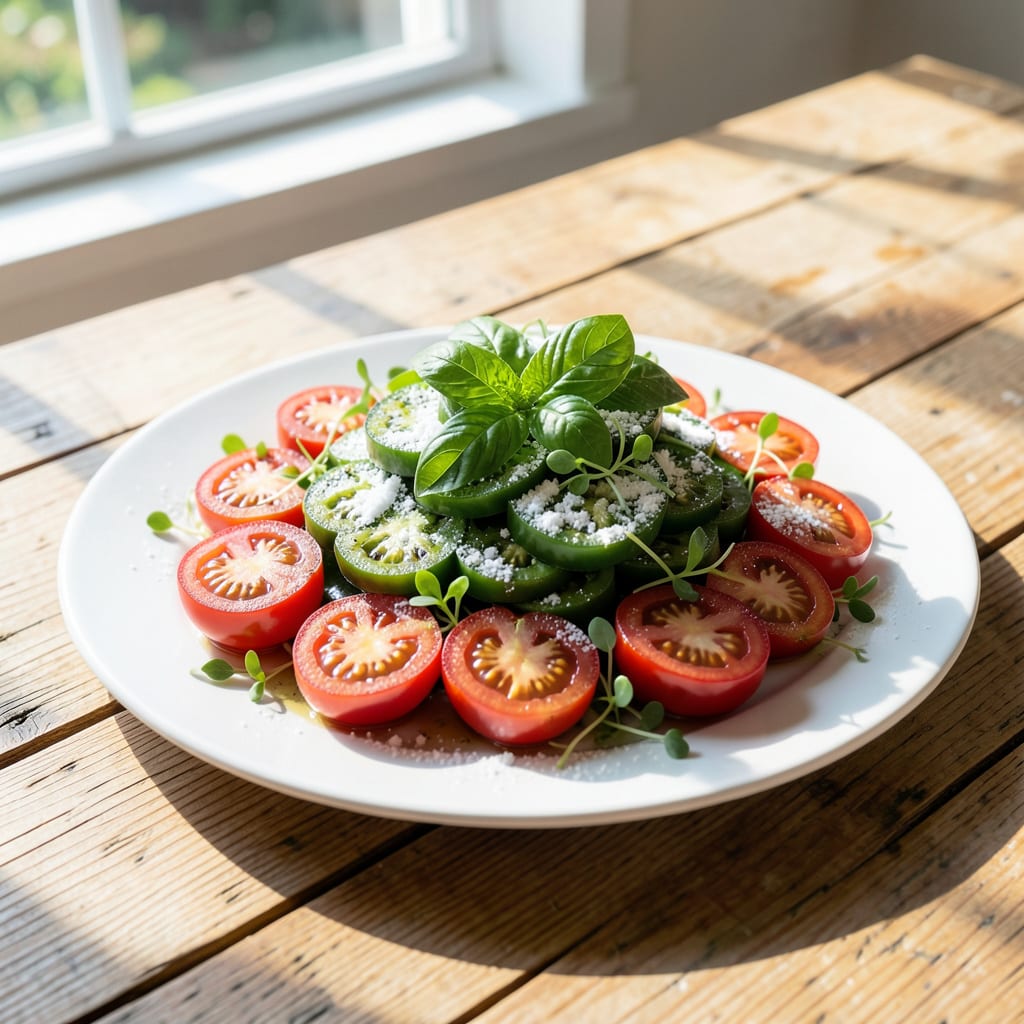
I lost my first tomato crop to blossom end rot, and it hurt. That dark, sunken spot at the bottom of each fruit meant weeks of care wasted.
Turns out, it’s not just about calcium—it’s about how your plants access it. Inconsistent watering locks calcium out of the fruit, even if your soil has plenty.
You can fix it mid-season with a calcium spray or crushed eggshell tea, but prevention is simpler: keep soil moisture steady and add lime or gypsum at planting.
Works for tomatoes, peppers, and squash. Here’s how to save this year’s harvest and stop it from happening next season.
Blossom end rot isn’t caused by a pathogen—it’s a physiological disorder triggered by environmental and nutritional imbalances. Here’s what’s really going on in your soil and plants:
The most direct cause is localized calcium deficiency in the developing fruit. Even if your soil has ample calcium, uneven water supply disrupts its transport to the blossom end (the farthest point from the stem). Calcium moves passively through the plant via transpiration, so when water flow is inconsistent, this critical nutrient never reaches the fruit’s cellular walls. Without calcium, cell membranes weaken, leading to tissue collapse and the telltale sunken, leathery spots.
Fluctuations between drought and oversaturation stress the plant’s vascular system. During dry spells, calcium uptake halts; during sudden heavy watering, roots can’t absorb it fast enough. Tomatoes, peppers, and squash—common victims—are especially sensitive. Mulching and drip irrigation can stabilize moisture levels, ensuring steady calcium delivery.
When plants grow too quickly (often due to high-nitrogen fertilizers or heatwaves), the demand for calcium outpaces supply. The blossom end, being the last to receive nutrients, suffers first. Prune aggressively fruiting plants to reduce competition for calcium, and avoid over-fertilizing with nitrogen early in the season.
Calcium becomes chemically unavailable in soils with a pH below 5.5 or above 7.5. Test your soil: if it’s too acidic, add lime (calcium carbonate); if alkaline, amend with sulfur or peat moss. Aim for a pH of 6.0–6.8 for optimal calcium uptake.
Blossom end rot is frustrating, but these targeted fixes can turn your plants around. Address each cause directly for the best results.
Inconsistent watering disrupts calcium uptake. Fix it: Water deeply 1-2 times per week (adjust for weather) to keep soil evenly moist—not soggy. Use mulch to retain moisture and reduce fluctuations. Prevention tip: 💡 Drip irrigation or soaker hoses deliver steady moisture without wetting foliage.
Low calcium is the main culprit. Fix it: Apply a calcium-rich amendment like gypsum (1 lb per 100 sq ft) or crushed eggshells (pulverized for quick absorption). For a quick foliar fix, spray plants with a calcium chloride solution (4 tbsp per gallon of water) at the first sign of rot. Prevention tip: 🌡️ Test soil pH—calcium is less available in acidic soils (aim for 6.5–7.0).
Too much nitrogen or potassium blocks calcium absorption. Fix it: Switch to a low-nitrogen, high-calcium fertilizer (e.g., tomato-specific blends). Avoid high-potassium feeds until rot subsides. Prevention tip: ✨ Rotate crops yearly to prevent nutrient depletion in the soil.
Heatwaves or cold snaps stress plants, limiting calcium flow. Fix it: Use shade cloth during scorching afternoons or row covers for unexpected chills. Prevention tip: 🎯 Plant in well-draining, warm soil (70–80°F) and avoid early-season planting in cold regions.
Pro move: Combine fixes for severe cases—e.g., apply calcium and stabilize watering. Most plants recover within 1–2 weeks if caught early!
New fruit will show improvement within 1-2 weeks of consistent treatment. Existing affected fruit won’t recover, but new growth should be healthy.
Diluted milk (1 part milk to 4 parts water) can provide calcium, but it may attract pests. It’s better for emergency use only.
Recurring rot usually means inconsistent watering or soil pH issues. Test your soil and maintain even moisture levels.
No, it’s not contagious. But nearby plants of the same type will likely develop it under the same conditions.
