
Beautiful Plants For Your Interior
Beautiful Plants For Your Interior
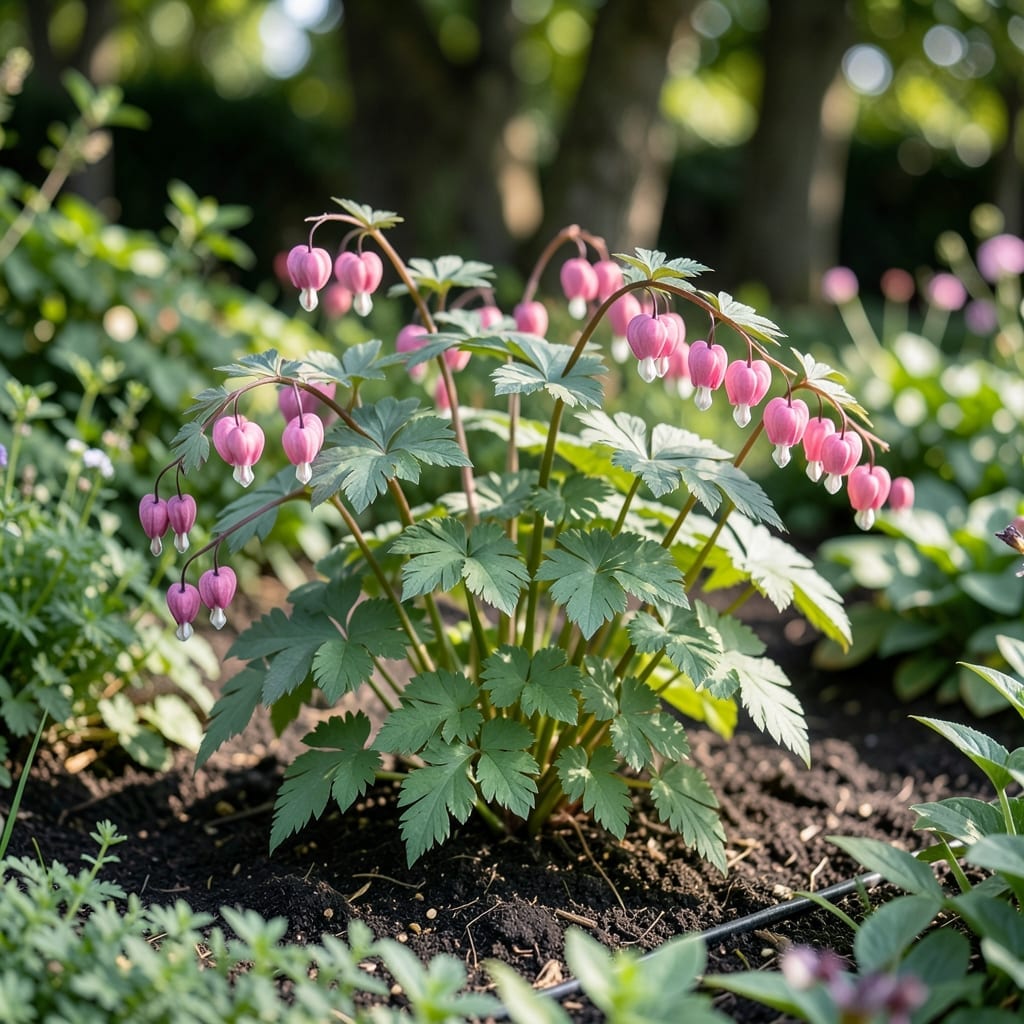
That first glimpse of the 💔 Bleeding Heart’s pink blooms in spring is pure magic. But get the light wrong, and those delicate flowers may never appear.
I’ve learned the hard way that these plants are particular about their sun exposure. Too much direct light can scorch their leaves, while deep shade might leave them leggy and weak.
Discover the perfect balance of sun and shade to keep your Bleeding Heart thriving from 3-9 zones with lush, heart-shaped blooms all season long.
 Best Window Placement
If you want your bleeding heart to thrive, light exposure is everything. These plants are shade-loving by nature, but they still need some light to produce those iconic heart-shaped blooms. I’ve found they do best with a careful balance.
The sweet spot is partial shade, meaning about 4-6 hours of gentle sunlight per day. Morning sun with afternoon shade works beautifully, especially in warmer USDA zones. This mimics their natural woodland habitat.
| Requirement | Specification |
|---|---|
| Ideal Light | Partial Shade |
| Daily Sun | 4-6 hours |
| Best Time | Morning Sun |
| Avoid | Hot Afternoon Sun |
| USDA Zones | 3-9 |
In cooler climates like Zone 3-5, bleeding hearts can handle a bit more sun. But in hotter areas like Zone 7-9, they’ll need protection from intense afternoon rays. I always recommend planting them where they get dappled light through trees.
Too much direct sun can cause leaf scorch and wilting. The leaves may turn yellow or brown at the edges, and the plant will look stressed. If you notice this, it’s time to move your bleeding heart to a shadier spot or add some shade cloth.
On the other hand, too little light can be just as problematic. In deep shade, the plant may become leggy and produce fewer blooms. The stems will stretch toward any available light, resulting in a weak, sparse appearance. Aim for that bright indirect light sweet spot.
For container growing, place your pots near an east-facing window or on a patio that gets morning sun. This way, your bleeding heart gets the light it needs without the harsh afternoon heat. I’ve had great success with this setup on my own balcony.
Seasonal changes matter too. In spring, when temperatures are mild, bleeding hearts can tolerate more sun. But as summer heats up, you’ll want to ensure they’re getting enough shade. A little observation goes a long way—watch how the light moves across your garden and adjust accordingly.
If you’re planting in the ground, consider the mature size of nearby trees or shrubs. What starts as a sunny spot in early spring might become shady as other plants leaf out. Plan ahead to give your bleeding heart the consistent conditions it loves.
Remember, these plants are woodland natives. They thrive under the canopy of taller trees, where they receive filtered light. Recreating this environment in your garden will reward you with vibrant blooms and healthy foliage.
With the right light, your bleeding heart will flourish for years, adding a touch of whimsical charm to your shade garden 🌿
Your bleeding heart will tell you if it’s getting too much sun. I always watch for yellowing leaves first—this is the plant’s way of saying “help!” when exposed to harsh light.
Wilting in hot afternoon sun is another red flag. Unlike thirsty plants that perk up after watering, sun-stressed bleeding hearts stay droopy even with moist soil.
⚠️ Warning: Too Much Sun
Brown, crispy leaf edges and faded blooms mean your plant needs shade immediately. Move it or add a shade cloth to prevent permanent damage.
Stunted growth or fewer flowers can also signal light stress. In deep shade, these plants become leggy, but in full sun they may conserve energy by reducing blooms.
Check the soil temperature too. If it feels hot to the touch, your bleeding heart is likely struggling. These plants prefer cool, consistent moisture at their roots.
I once saved a struggling plant by moving it from west-facing exposure to a north-side location. Within weeks, the new growth was lush and green again.
Remember, morning sun is gentler. If you must place them in sunnier spots, ensure they get afternoon protection from trees or structures.
With quick action, your bleeding heart can recover and reward you with its signature heart-shaped blooms for seasons to come 🌿