
Beautiful Plants For Your Interior
Beautiful Plants For Your Interior
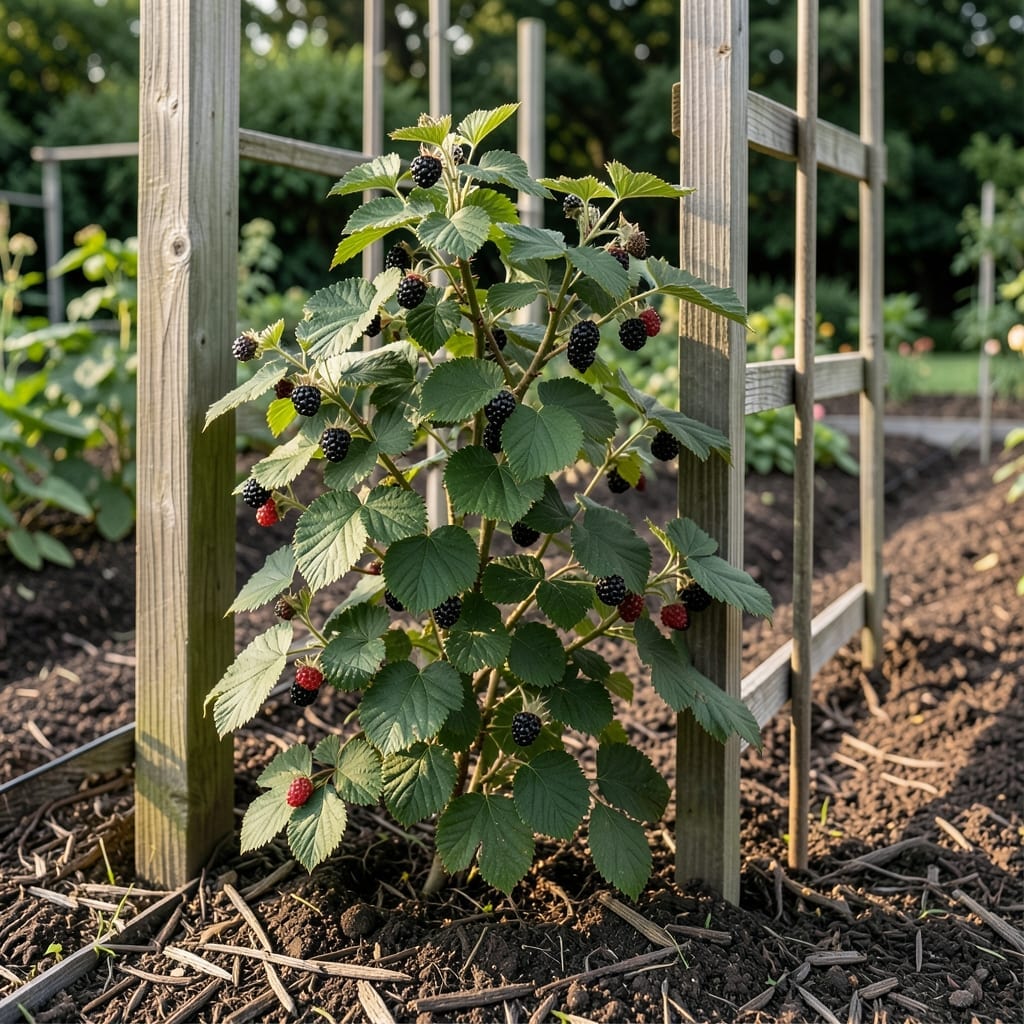
I transformed my chaotic back lot into a productive blackberry farm with just a little planning. The key was spacing plants 4-6 feet apart for air flow and easy picking access.
Rustic touches like split-rail fencing and gravel paths made it beautiful without losing function. My design keeps harvests bountiful while looking intentional, not overgrown.
You’ll get bigger berries with less disease when vines have room to breathe. Plus, the layout makes maintenance and picking effortless.
Works for small homesteads or large properties. Here’s how to design it right the first time.
Understanding the reasons behind poor blackberry farm layouts can help you avoid common pitfalls. Here’s why design flaws often occur:
Blackberries thrive in well-draining, slightly acidic soil (pH 5.5–7.0). Planting in compacted or waterlogged soil stunts root growth, reducing yields. Poor site selection—such as low-lying areas prone to frost pockets—can also expose plants to cold damage in early spring or late fall.
Overcrowding is a leading cause of weak plants and disease. Blackberry canes need 3–6 feet of space between plants and 8–10 feet between rows to ensure proper airflow and sunlight penetration. Tight spacing fosters fungal infections like anthracnose and reduces fruit quality.
Blackberries require full sun (6–8 hours daily) for optimal fruit production. Shaded areas lead to sparse fruiting and leggy growth. Improper orientation—such as north-south rows in high-latitude regions—can block sunlight, especially in dense plantings.
Inconsistent irrigation causes stress, leading to smaller berries or split fruit. Overwatering, especially in clay-heavy soils, suffocates roots, while drought conditions halt growth. A drip irrigation system with mulch helps maintain even moisture without waterlogging.
Designing a thriving blackberry farm requires addressing common challenges head-on. Below are practical solutions to typical problems, along with prevention tips to keep your farm productive and beautiful.
Blackberries thrive in well-draining, slightly acidic soil (pH 5.5–6.5). Fix: Test your soil and amend it with compost or aged manure to improve fertility. For acidic adjustments, add sulfur or peat moss. Prevention: Rotate crops and add organic matter annually to maintain soil health.
Too much or too little water stresses plants. Fix: Install drip irrigation for consistent moisture, especially during fruiting. Mulch around plants to retain water and reduce evaporation. Prevention: Monitor weather patterns and adjust watering schedules accordingly—aim for 1–2 inches per week.
Pests like aphids or Japanese beetles can damage crops. Fix: Introduce beneficial insects (e.g., ladybugs) or use neem oil sprays. For severe cases, apply organic pesticides. Prevention: Plant companion herbs like basil or marigolds to deter pests and maintain farm biodiversity.
Dense growth reduces airflow, increasing disease risk. Fix: Thin out canes in early spring, removing weak or old growth. Space plants 3–4 feet apart. Prevention: Follow a regular pruning schedule and trellis vines to improve air circulation.
Fungal diseases like anthracnose or rust thrive in wet conditions. Fix: Remove infected canes and treat with copper fungicide. Prevention: Rotate planting locations, avoid overhead watering, and clean tools between uses to limit contamination.
Pro Tip 💡: Keep a farm journal to track issues and solutions—this helps refine your design and management over time!
Use vertical trellises or espalier systems to maximize space. Train canes along wires or fences to keep plants compact while ensuring 6-8 hours of sunlight daily.
Space plants 4-6 feet apart with 8-10 feet between rows. Prune old canes each spring to improve airflow and reduce disease risk.
Blackberries thrive in well-draining, slightly acidic soil (pH 5.5-7.0). Amend heavy clay with compost or sand to improve drainage and fertility.
Drip irrigation is ideal—it delivers water directly to roots while keeping foliage dry. This prevents fungal diseases and uses water more efficiently.