
Beautiful Plants For Your Interior
Beautiful Plants For Your Interior
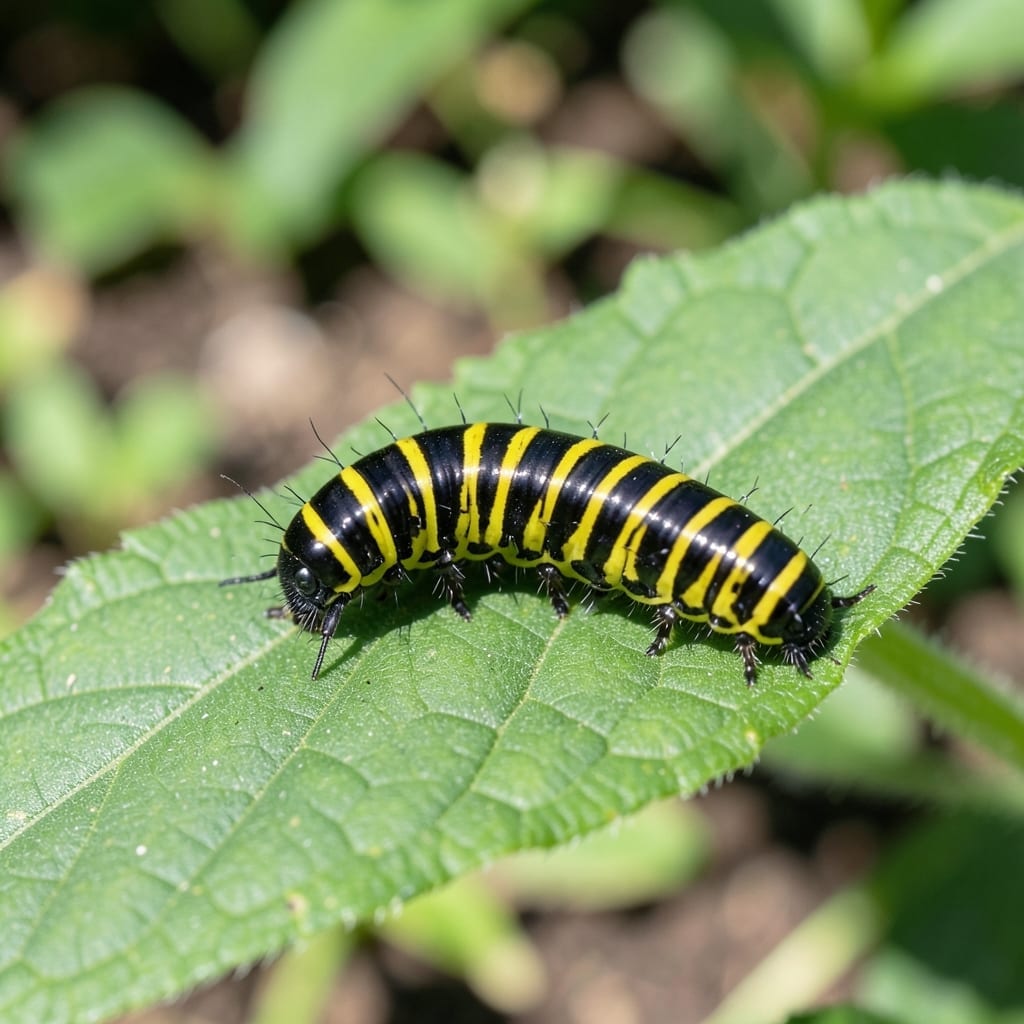
Spotted a black and yellow caterpillar munching on your plants? I’ve been there—staring at a striped visitor, wondering if it’s a future butterfly or a garden wrecker. The truth is, some are friends, others are foes.
Most black and yellow caterpillars are either woolly bears turning into tiger moths or hornworms that’ll decimate your tomatoes. The difference often comes down to size, hairiness, and what they’re eating. I learned this the hard way after losing half my pepper plants.
You’ll want to identify them quickly before they do real damage. Some can defoliate a plant in 48 hours, while others just pass through harmlessly. The key is knowing which is which.
This guide will help you tell them apart and decide whether to relocate, remove, or leave them be. No guesswork needed.
The striking black and yellow patterns on caterpillars aren’t random—they serve critical survival purposes. These colors often signal toxicity or unpalatability to predators, a phenomenon known as aposematism. Bright, contrasting hues act as a warning, deterring birds and other predators from attacking. Many black-and-yellow caterpillars, like the woolly bear or tussock moth caterpillars, contain irritating chemicals or toxins in their bodies, making them unappetizing or even harmful if ingested.
Some caterpillars derive their toxins from host plants. For example, those feeding on milkweed or parsley absorb toxic compounds like cardenolides or furanocoumarins, which are then stored in their tissues. Predators quickly learn to associate the bold black-and-yellow coloration with a negative experience, avoiding them in the future.
While aposematism is common, some caterpillars use their coloring for camouflage. The black-and-yellow stripes of the giant swallowtail caterpillar resemble snake patterns, startling predators. Others mimic the appearance of more dangerous species, a tactic called Batesian mimicry, to gain protection without producing toxins themselves.
Coloration can also help with thermoregulation. Darker pigments absorb heat, allowing caterpillars to stay active in cooler temperatures, while lighter stripes may reflect excess sunlight to prevent overheating. This adaptation is especially useful for species in temperate climates.
Identifying a black and yellow caterpillar in your garden is just the first step—next comes managing its presence. Below are practical solutions tailored to common problems these pests cause, along with prevention tips to keep your garden thriving. 🌱✨
If caterpillars are munching on your plants, start by handpicking them off leaves and relocating them far from your garden. Wear gloves to avoid skin irritation from spines or hairs. For larger infestations, use a neem oil spray (mix 2 tbsp neem oil + 1 tsp dish soap + 1 quart water) to deter them naturally. Reapply every 3–5 days or after rain.
Prevention tip: 💡 Encourage natural predators like birds, ladybugs, or parasitic wasps by planting native flowers or setting up bird feeders.
For severe outbreaks, apply Bacillus thuringiensis (Bt), a bacterial pesticide that targets caterpillars without harming other insects or plants. Spray it directly on leaves, especially the undersides where caterpillars hide. Bt works best on young larvae, so act quickly after spotting eggs or small caterpillars.
Prevention tip: 🌡️ Rotate crops annually to disrupt pest life cycles and reduce the chance of recurring infestations.
Some black and yellow caterpillars (e.g., Io moth caterpillars) have venomous spines. Avoid touching them—use tweezers or a stick to move them. If stung, wash the area with soap and water, then apply a cold compress to reduce swelling. Seek medical help if symptoms worsen.
Prevention tip: ✨ Wear long sleeves and gloves while gardening to minimize contact with unknown caterpillars.
By combining these methods, you can protect your garden while maintaining an eco-friendly approach. Consistency is key—monitor plants regularly and act at the first sign of trouble!
Some can be very destructive to plants. Species like hornworms devour leaves rapidly. Others, like woolly bears, are harmless and feed on various plants without causing significant damage.
Look for bright, contrasting colors and spines or hairs. Many toxic types have these features as warnings. When in doubt, avoid handling them directly.
Gently relocate it outside using a piece of paper or jar. Avoid crushing it, as some may release irritating substances. Check houseplants for eggs or more caterpillars.