
Beautiful Plants For Your Interior
Beautiful Plants For Your Interior
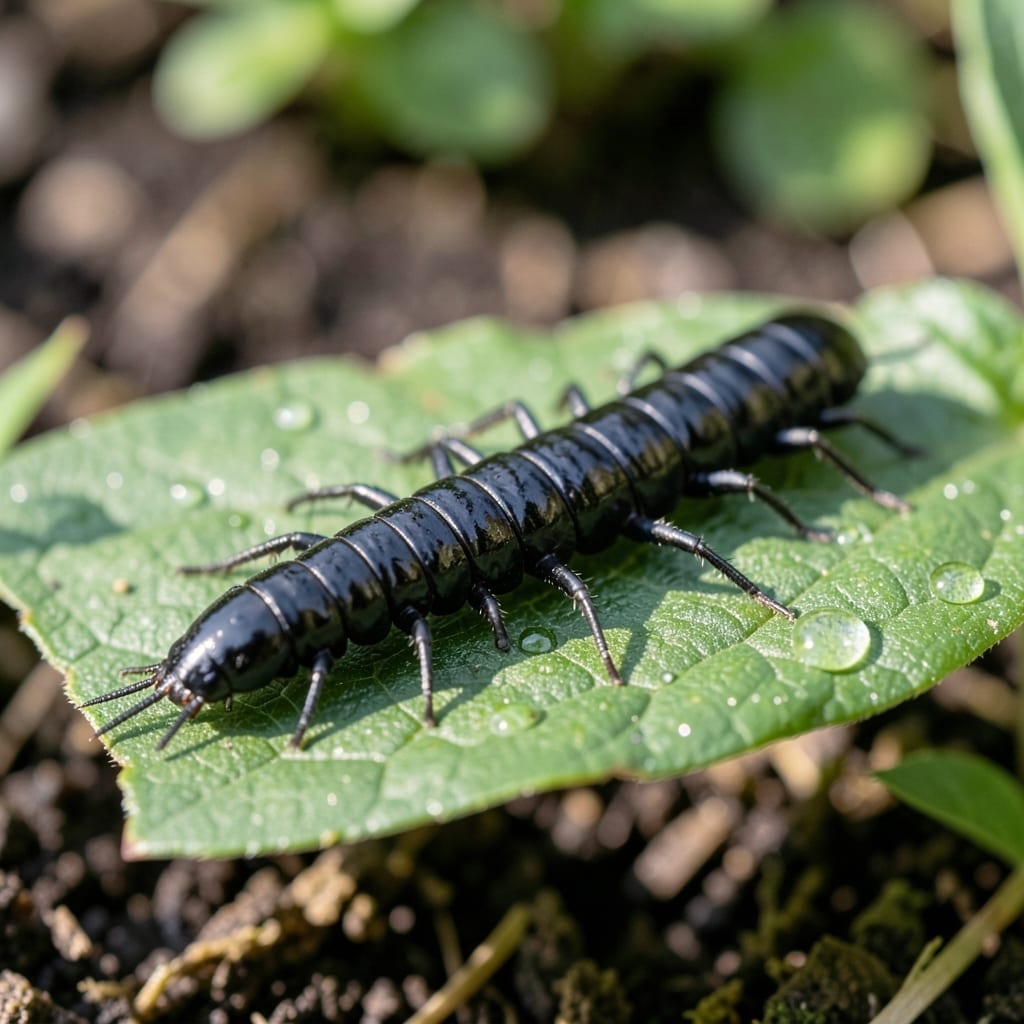
I spotted my first garden millipede curled under a rock last spring. These black, many-legged creatures look alarming but they’re mostly harmless decomposers breaking down organic matter in your soil.
The problem starts when their numbers explode and they begin munching on tender seedlings and roots. I learned the hard way that damp, mulch-heavy beds create perfect millipede real estate.
You can evict them naturally with diatomaceous earth or by reducing moisture and organic debris. For serious infestations, targeted insecticides work but I always try the eco-friendly route first.
Prevention is simpler than cure: improve drainage, keep beds tidy, and monitor regularly. Your plants will thank you.
Understanding why these black worms with many legs (likely millipedes) appear in your garden helps you tackle the issue effectively. Below are the primary causes, explained simply:
Millipedes thrive in damp environments. Overwatering, poor drainage, or heavy mulch layers create the perfect breeding ground. They seek out moisture to survive, so soggy soil or decaying organic matter attracts them in droves.
These creatures feed on decomposing leaves, wood, or compost. Piles of yard waste, thick mulch, or rotting plant debris provide both food and shelter. The more organic decay in your garden, the more millipedes you’ll see.
In balanced ecosystems, predators like birds, beetles, or centipedes keep millipede populations in check. If your garden lacks biodiversity or uses excessive pesticides, these predators disappear, allowing millipedes to multiply unchecked.
Overgrown plants, stacked firewood, or garden clutter create dark, humid hiding spots. Millipedes avoid sunlight and prefer these undisturbed areas to lay eggs and feed.
Dealing with a multi-legged garden invader? Here’s how to evict them for good—safely and effectively.
Millipedes thrive in damp conditions. Fix it: Let the top inch of soil dry between waterings. Use a moisture meter to avoid guesswork. For potted plants, ensure drainage holes aren’t clogged. Prevention tip: 💡 Water early in the day so excess evaporates by evening.
Rotting leaves, mulch, or compost piles are millipede magnets. Fix it: Rake up fallen leaves, clear dead plant material, and store compost in sealed bins. Keep garden beds tidy to remove their food source. Prevention tip: 🎯 Turn compost regularly to speed up decomposition and deter pests.
If they’re sneaking indoors, block their path. Fix it: Inspect foundation cracks, gaps under doors, or torn window screens. Seal with caulk, weatherstripping, or fine mesh. For garages or sheds, use door sweeps. Prevention tip: ✨ Apply diatomaceous earth along thresholds—it’s a natural barrier.
For stubborn outbreaks, enlist help from nature. Fix it: Encourage birds, toads, or ground beetles—they feast on millipedes. Install a small birdbath or rock piles for shelter. Avoid pesticides, as they harm beneficial creatures too. Prevention tip: 🌡️ Maintain a diverse garden ecosystem to keep populations in check.
Stick to these steps, and your garden (or home) will stay millipede-free without harsh chemicals!
They’re mostly harmless decomposers but can damage young plants in large numbers. Focus on seedlings and soft stems, as mature plants are rarely affected.
Reduce moisture, remove decaying leaves, and improve drainage. Diatomaceous earth creates an effective barrier without chemicals.
It’s a defensive mechanism to protect their soft undersides. This behavior distinguishes millipedes from centipedes, which are faster and more aggressive.
Rarely, but they may wander inside during extreme outdoor conditions. Seal cracks and reduce indoor humidity to deter them.