
Beautiful Plants For Your Interior
Beautiful Plants For Your Interior
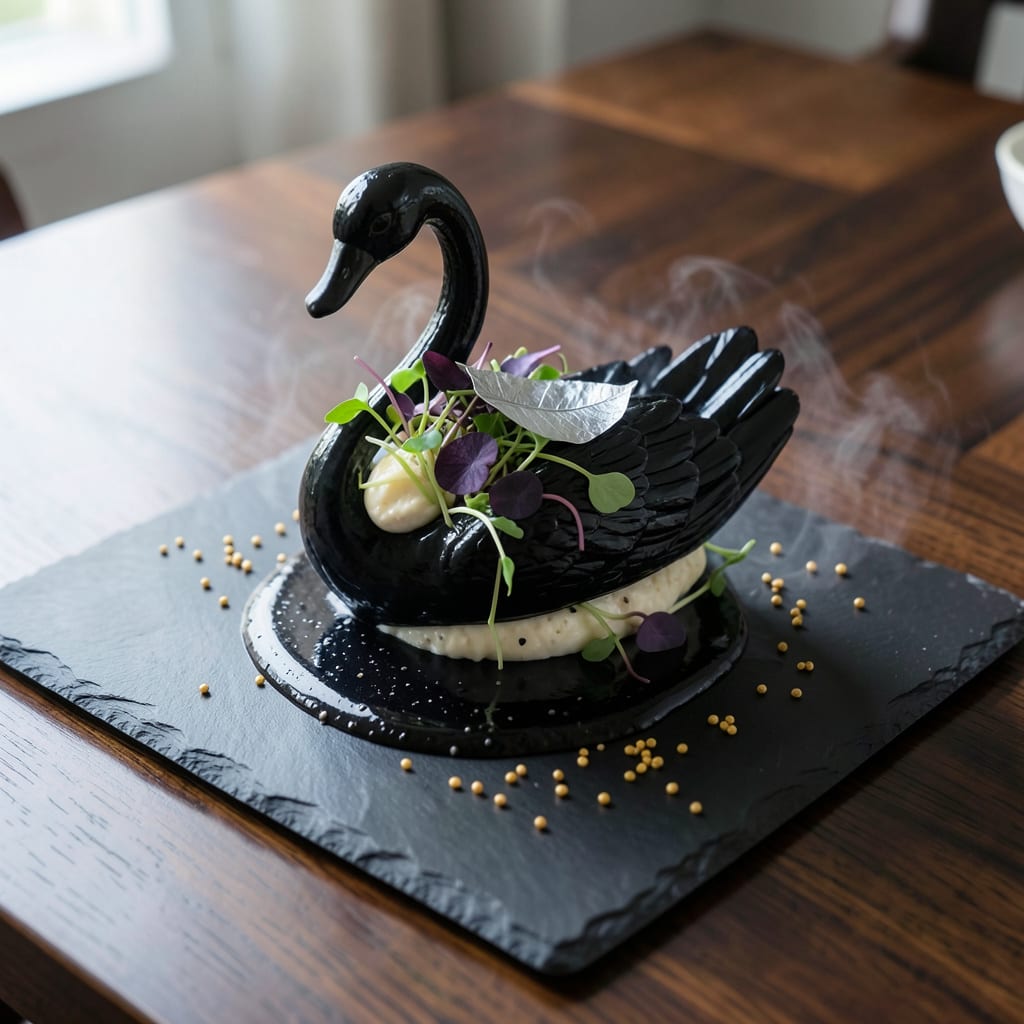
Dark, velvety blooms that stop neighbors in their tracks. Black Swan poppies turn ordinary gardens into showstopping displays with their deep maroon petals and dramatic centers.
I started these from seed last spring and was shocked by how quickly they established. The key is well-draining soil and full sun—give them that, and you’ll have stunning flowers by early summer.
📚 In This Guide
Here’s the method I use to cultivate these dramatic, dark-blooming plants from seed to striking maturity.
Choose a location with full sun exposure and well-draining soil—Black Swan poppies despise soggy roots. I always amend the planting area with 2-3 inches of compost worked into the top 6 inches of soil. This improves drainage while providing the organic matter these poppies crave.
Smooth the soil surface but don’t compact it. You want a fine, crumbly texture that allows seeds to make good contact without being buried too deeply. Water the area lightly the day before sowing so the soil is evenly moist but not waterlogged.
Scatter the tiny seeds directly onto the prepared soil surface. Poppy seeds need light to germinate, so do not cover them with soil. Instead, press them gently into the surface with your palm or the flat side of a board to ensure good soil contact.
Space seeds about 6-8 inches apart to prevent overcrowding. I thin mine later, but starting with proper spacing saves time. Mist the area gently with water to settle the seeds without dislodging them. Expect germination in 7-14 days when soil temperatures stay between 55-65°F.
Keep the soil consistently moist but never soggy during germination. I use a fine mist setting on my watering can to avoid disturbing the seeds. Once seedlings emerge, water at the base to prevent fungal issues on the delicate foliage.
Protect young seedlings from strong winds and heavy rain, which can snap their fragile stems. If slugs or snails are a problem in your garden, set up barriers immediately—these pests find poppy seedlings irresistible. You’ll see the first true leaves appear after the initial cotyledons, which is your sign that the plants are establishing well.
When seedlings reach 2-3 inches tall, thin them to 12-18 inches apart. This gives each plant enough space to develop its dramatic, dark blooms. I use small scissors to snip unwanted seedlings at soil level rather than pulling them, which disturbs the roots of the plants I want to keep.
After thinning, apply a light layer of mulch around the base of each plant to retain moisture and suppress weeds. Avoid piling mulch against the stems, as this can lead to rot. At this stage, you’ll notice the characteristic deeply lobed foliage that signals healthy Black Swan poppy growth.
Once established, Black Swan poppies are relatively drought-tolerant, but I water deeply once a week during dry spells. The key is to water at the base and let the soil dry slightly between waterings to prevent root rot.
These poppies don’t require fertilizer, but a light application of compost tea every 4-6 weeks can enhance growth. Watch for the flower buds to form—they’ll start as small, round nodes at the stem tips. In about 8-10 weeks from sowing, you’ll be rewarded with those stunning, velvety dark blooms that make this variety so special.
Small details make the difference between struggling seedlings and those dramatic dark blooms.
Soil Preparation Insight: The 2-3 inches of compost worked into the top 6 inches of soil in Step 1 isn’t just about nutrients—it creates the loose, well-draining structure these poppies demand. I’ve found that mixing in a bit of coarse sand helps even more in clay-heavy soils.
Sowing Technique: In Step 2, pressing the seeds gently into the surface is crucial because poppy seeds need light to germinate. I use the flat side of a wooden board to ensure even contact without burying them. The 6-8 inches spacing prevents overcrowding before thinning.
Temperature Control: That 55-65°F soil temperature range mentioned in Step 2 is non-negotiable for germination within 7-14 days. Use a soil thermometer—it’s the only way to know for sure. In cooler climates, a dark plastic mulch can help warm the soil.
Thinning Wisdom: When you reach Step 4 at the 2-3 inches tall stage, thinning to 12-18 inches apart might seem drastic, but it’s essential for those dramatic blooms. Use scissors to avoid disturbing the roots of the keepers, and don’t be tempted to skip this step.
Black Swan poppy seedlings typically bloom within 90-120 days after sowing, depending on growing conditions like sunlight, soil quality, and temperature. Ensure consistent moisture and well-draining soil for optimal growth.
Yes! Use a deep container (at least 12 inches) with well-draining soil. Ensure full sun exposure and regular watering, but avoid overwatering to prevent root rot. Ideal for patios or small gardens.
Yellowing leaves often indicate overwatering, poor drainage, or nutrient deficiencies. Check soil moisture and ensure the container or garden bed has proper drainage. A balanced fertilizer can help revive nutrient-starved plants.
Try ‘Queen of Night’ tulips or ‘Onyx Odyssey’ petunias for dark, striking blooms. For poppy lovers, ‘Pepperbox’ or ‘Lauren’s Grape’ offer deep hues with a similar elegance.
