
Beautiful Plants For Your Interior
Beautiful Plants For Your Interior
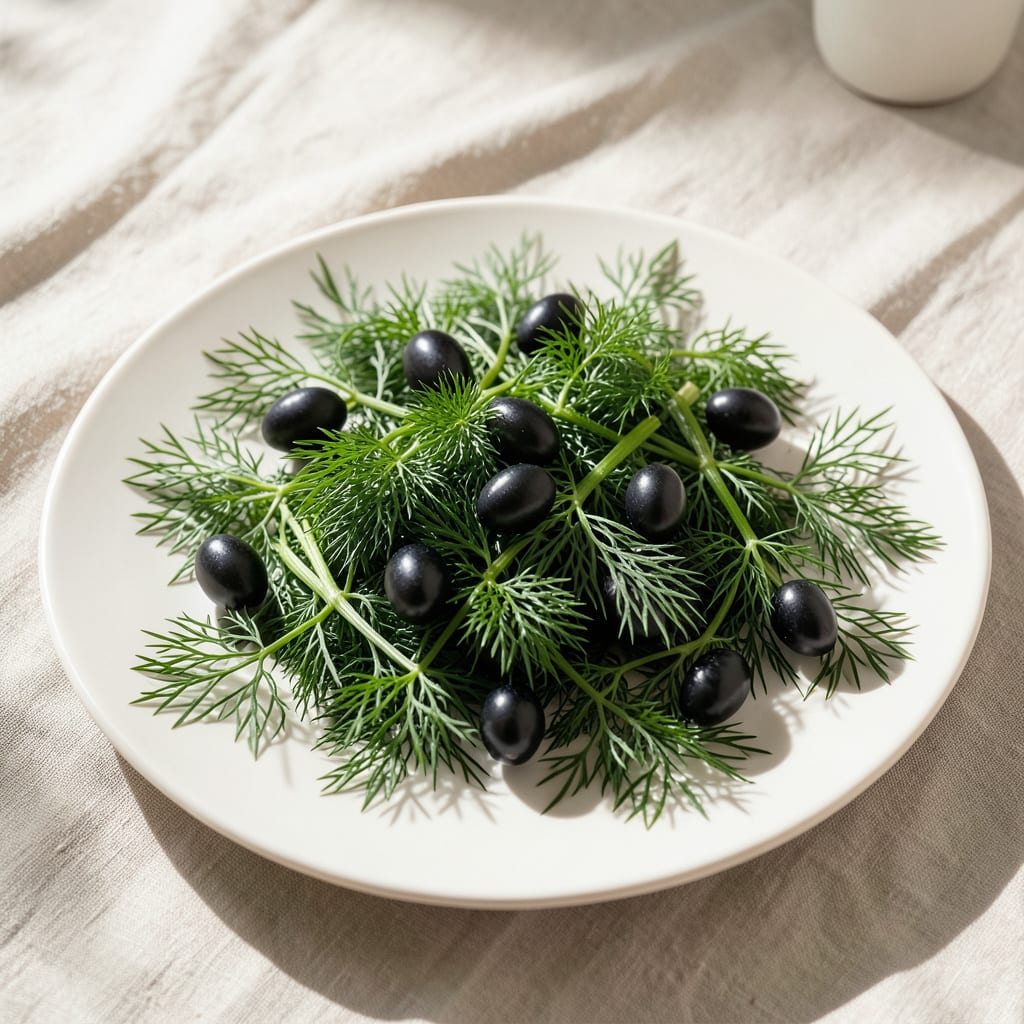
Tiny yellow dots on your dill aren’t bugs—they’re future butterflies. Black swallowtail eggs appear like pinprick pearls, and I’ve learned to spot them before the caterpillars hatch and devour entire plants.
These eggs mean your garden is doing something right. Dill, parsley, and fennel attract swallowtails like magnets, and the transformation from egg to butterfly is one of nature’s most rewarding backyard shows.
You’ll need to decide: protect the plants or nurture the butterflies. Either way, timing is everything—caterpillars emerge in 3-5 days and grow fast, so act before they strip your herbs bare.
Organic solutions work best here. Hand-removal, companion planting, or netting can save your dill without harming the next generation of pollinators.
Black swallowtail butterflies Papilio polyxenes lay their eggs on dill (and other Apiaceae family plants) for a very specific biological reason: host plant specialization. These butterflies have co-evolved with plants like dill, parsley, carrot, and Queen Anne’s lace, which contain chemical compounds that their caterpillars require to survive. 🌿
The female black swallowtail uses her chemoreceptors on her antennae and feet to detect the unique volatile organic compounds (VOCs) emitted by dill. These chemicals signal that the plant is a safe and nutritious host for her offspring. Once she confirms the plant’s suitability, she lays single, round, yellow eggs that later darken to black. This behavior ensures her caterpillars have immediate access to food upon hatching.
Dill and related plants contain furanochromones and polyacetylenes, secondary metabolites that are toxic to many generalist herbivores—but not to black swallowtail caterpillars. In fact, these compounds are essential for the caterpillars’ growth and defense. By laying eggs on dill, the butterfly maximizes the chances that her larvae will thrive and avoid predation, as few predators can tolerate these toxins.
Black swallowtails are active from spring to fall, with peak egg-laying in late spring and summer. During these months, dill plants are lush and producing the chemicals that attract gravid (egg-carrying) females. Gardeners often notice eggs on dill during June through August, when both the butterflies and the herb are at their peak.
If you’ve spotted black swallowtail eggs on dill, you can take action without harming these beneficial pollinators. Here’s how to address the issue while keeping your garden thriving.
If you’d rather not share your dill, gently move the eggs to a nearby host plant like parsley, fennel, or Queen Anne’s lace. Use a soft brush or leaf to transfer them—avoid touching with bare hands, as oils from your skin can damage the eggs. This keeps the caterpillars fed while preserving your harvest.
Introduce natural predators like ladybugs or lacewings to your garden. These insects feed on butterfly eggs and larvae, reducing their numbers organically. Planting companion flowers such as marigolds or alyssum can attract these helpful allies.
Prevent butterflies from laying eggs on your dill by covering plants with lightweight row covers. Secure the edges to block access while still allowing sunlight and water through. Remove covers periodically to let pollinators visit other plants.
With these steps, you can enjoy your dill while supporting local butterfly populations. Win-win!
Look for tiny, round, yellow dots that darken to black over 1-2 days. They’re laid singly on dill leaves, not in clusters like some pest eggs.
Eggs typically hatch in 3-5 days depending on temperature. Warmer weather speeds up the process, so check daily once you spot them.
Yes, they’ll eat voraciously, often stripping a plant in 1-2 weeks. Decide early whether to relocate them or accept the temporary damage for the butterflies’ sake.
Yes! Use a soft leaf or brush to gently transfer them to parsley or fennel. Avoid bare hands—skin oils can harm the developing larvae.
