
Beautiful Plants For Your Interior
Beautiful Plants For Your Interior
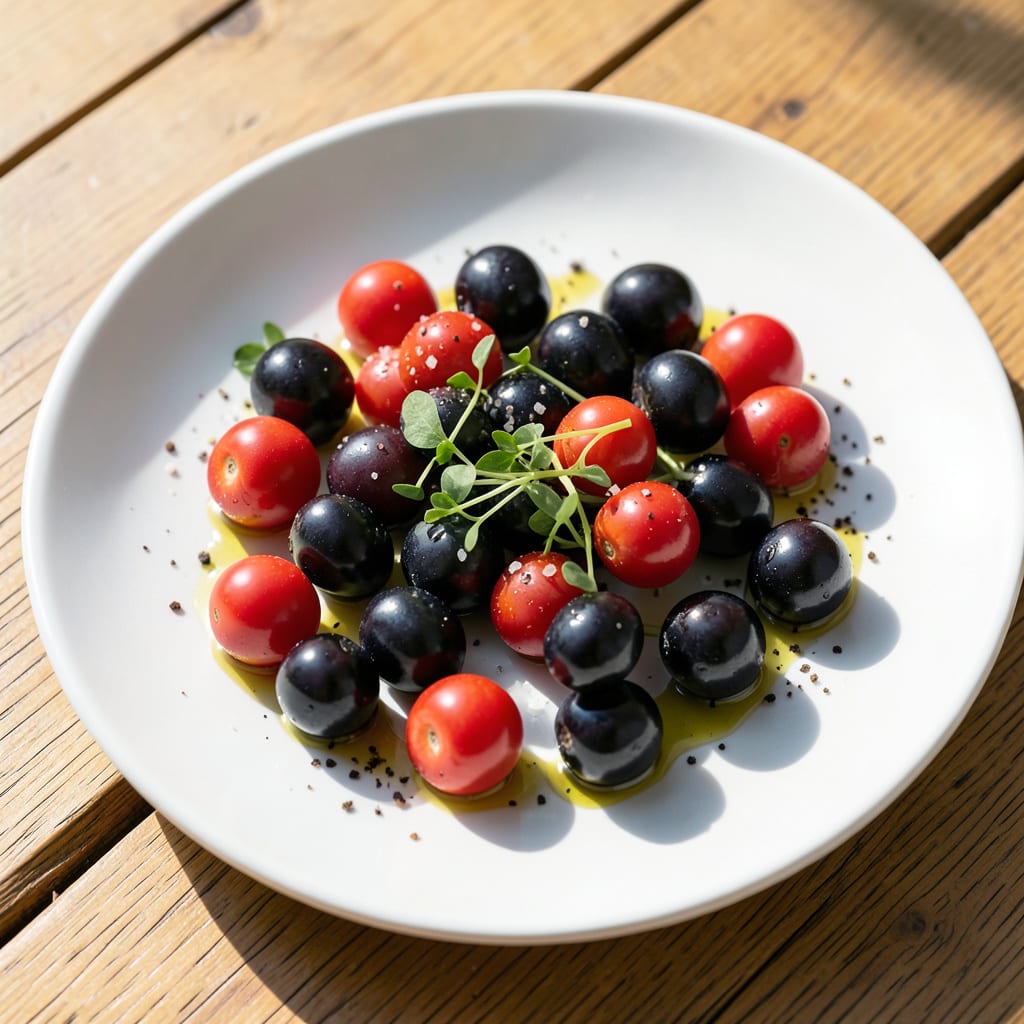
These deep purple beauties taste like summer candy. I grew my first batch last season, and the sweet-tart flavor ruined me for grocery store tomatoes forever.
They thrive in containers or garden beds with 6-8 hours of sun, producing clusters of 1-inch fruits that look as stunning as they taste. The plants stay compact but loaded with fruit all season.
📚 In This Guide
Here’s how I cultivate these unique heirlooms for maximum sweetness and yield every season.
Begin sowing 8-10 weeks before your last frost date to give these slow-growing heirlooms a head start. Use a sterile seed-starting mix in clean 2-3 inch deep containers. Plant seeds ¼ inch deep—no deeper, or they’ll struggle to emerge.
Keep the soil consistently moist but not soggy. I place trays on a seedling heat mat set to 75-80°F for faster germination, which typically takes 7-14 days. Once sprouts appear, move them to bright light immediately to prevent leggy growth.
These tomatoes crave full sun, so position seedlings under a full-spectrum grow light for 14-16 hours daily. Keep the light 2-4 inches above the plants and raise it as they grow to maintain that gap.
Thin to the strongest seedling per cell once first true leaves appear. Weak stems and pale leaves signal insufficient light. I harden off plants 2-3 weeks before transplanting by gradually exposing them to outdoor conditions.
After the danger of frost passes and soil reaches 60°F, transplant seedlings 18-24 inches apart in well-draining soil. I bury the stem deeper than the original soil line—new roots will form along the buried stem, creating a stronger plant.
For containers, choose 5-gallon pots with drainage holes. These compact plants stay manageable but need consistent moisture. Water deeply after transplanting to settle the soil around the roots, then maintain even moisture as they establish.
Install sturdy stakes or cages at planting to support the vines as they grow. These tomatoes stay relatively compact but benefit from support to keep fruit off the ground. I tie stems loosely with soft twine as they lengthen.
Pinch off suckers—the shoots that form in the joint between the main stem and branches—to direct energy toward fruit production. Remove the first few sets of flowers to encourage a stronger root system before allowing the plant to set fruit.
Watch for the first dark, almost black fruit to ripen—this variety’s unique color develops fully when ready to harvest.
Small adjustments in your approach can make a big difference in yield and flavor.
The Timing Factor: Starting seeds 8-10 weeks before your last frost date is non-negotiable for these slow-growing heirlooms. I learned the hard way that planting just a week late can delay your first harvest by weeks, especially in cooler climates.
Light Positioning: That 2-4 inch gap between your grow light and seedlings in Step 2 is critical. Too far and they’ll stretch into weak, leggy plants. Too close and you risk burning the leaves. Raise the light as they grow to maintain the perfect distance.
Soil Temperature Secret: The 60°F soil temperature mentioned in Step 3 isn’t just a suggestion—it’s essential. These tomatoes hate cold roots. I use a soil thermometer to check, and if it’s below 60, I wait. Planting too early in cold soil stunts growth and can rot the seeds.
Pruning Technique: When pinching off suckers in Step 4, use your fingernails or clean scissors to avoid tearing the plant. And don’t overdo it—removing all suckers can reduce your yield. I leave the ones near the top to form additional fruiting branches.
Plant seeds in well-draining soil after the last frost, ensuring full sun (6-8 hours daily). Keep soil moist and use a tomato cage for support. Harvest when fruits turn deep purple-black and feel slightly soft.
Start seeds indoors 6-8 weeks before the last frost date. Transplant seedlings outdoors when temperatures consistently stay above 50°F (10°C). In warm climates, you can also plant in early fall for a second harvest.
They offer a rich, sweet, and slightly smoky flavor with a hint of earthiness. Their complex taste makes them perfect for salads, snacking, or roasting. Kids and adults love their unique berry-like sweetness!
Inconsistent coloring often results from uneven sunlight, nutrient deficiencies, or temperature fluctuations. Ensure plants get full sun, consistent watering, and balanced fertilizer. Patience pays off—they darken as they ripen!
Absolutely! Use a container at least 5 gallons in size with drainage holes. Fill with quality potting mix, provide support (like a stake or trellis), and place in a sunny spot. Container-grown plants may need more frequent watering.
