
Beautiful Plants For Your Interior
Beautiful Plants For Your Interior
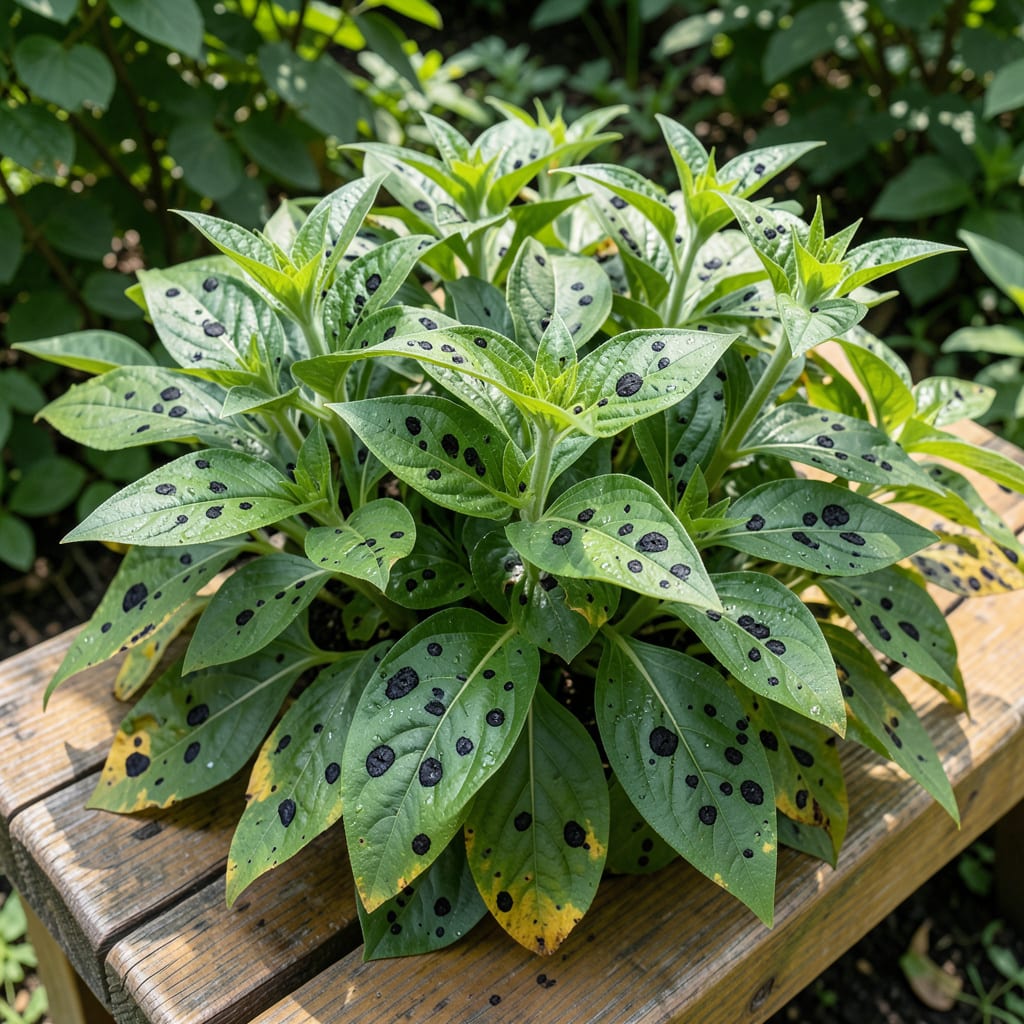
Those black spots on your zinnia leaves aren’t just ugly—they’re a warning sign. 🌿 I’ve seen entire flower beds wiped out by ignoring this early symptom, but catching it now means saving your plants.
Most often, it’s fungal disease spreading from wet foliage or poor air circulation. The good news? You can stop it with better watering habits and a little pruning. Remove affected leaves first to prevent spreading.
Within a week, you’ll notice new growth staying clean and healthy. The key is consistency—water at the base, space plants properly, and keep an eye on humidity levels.
This works for all zinnia varieties, whether in beds or containers. Don’t let black spots steal your summer blooms.
Black spots on zinnia leaves often stem from environmental stressors or pathogens. Below are the most common causes, explained with actionable insights.
Alternaria Leaf Spot and Cercospora Leaf Spot are frequent culprits. These fungi thrive in wet, humid conditions, spreading spores via water splashes or wind. Overhead watering or crowded plantings create ideal breeding grounds. Fungal spots often appear circular, with dark centers and yellow halos, and may merge over time.
Xanthomonas or Pseudomonas bacteria cause irregular, water-soaked black spots, often with a greasy appearance. These pathogens enter through wounds or stomata, especially during prolonged leaf wetness (e.g., from rain or poor air circulation). Unlike fungal spots, bacterial lesions may ooze a sticky substance when humid.
Spider mites and aphids pierce leaf cells, creating tiny wounds that turn black as tissue dies. Look for stippling patterns or webbing (mites) or curled leaves with sticky honeydew (aphids). Severe infestations weaken plants, making them more susceptible to secondary infections.
Extreme heat, drought stress, or nutrient deficiencies (e.g., potassium or magnesium) can cause necrotic spots. Poor soil drainage or over-fertilization (especially with high-nitrogen mixes) may also trigger leaf discoloration. Check for uniform spotting across lower leaves first, as these are often stress-related.
Herbicides, fungicides, or even hard water (high in salts) can scorch foliage, leaving dark, crispy patches. This typically occurs after recent spray applications or if water pools on leaves under direct sun. Test products on a small area first and water early in the day to allow drying.
Dealing with black spots on your zinnia leaves? Here’s how to tackle the most common causes and restore your plants’ health.
Fix: Remove and destroy infected leaves to prevent spread. Apply a copper-based fungicide or a neem oil spray (mix 2 tbsp neem oil + 1 tsp dish soap + 1 gallon water) every 7–10 days until symptoms fade. For severe cases, use a biological fungicide like Bacillus subtilis.
Prevention: Water at the base of the plant (avoid wetting leaves) and space zinnias 12–18 inches apart for airflow. Mulch with straw to reduce soil splashing onto leaves. 💡 Pro tip: Plant disease-resistant zinnia varieties like ‘Benary’s Giant’ or ‘Profusion’ series.
Fix: Blast pests off with a strong stream of water. For stubborn infestations, apply insecticidal soap (spray in the evening to avoid harming bees) or introduce beneficial insects like ladybugs. For Japanese beetles, handpick them in the morning (drop into soapy water) or use kaolin clay as a barrier.
Prevention: Inspect plants weekly for early signs of pests. Encourage pollinators with companion plants like marigolds or dill. Avoid over-fertilizing with nitrogen, which attracts aphids. ✨ Pro tip: Yellow sticky traps can help monitor and reduce aphid populations.
Fix: Switch to drip irrigation or a soaker hose to keep foliage dry. If drainage is the issue, amends heavy soil with compost or perlite. For potted zinnias, ensure containers have drainage holes.
Prevention: Water in the early morning so leaves dry quickly in the sun. Avoid overcrowding plants, and prune dense foliage to improve airflow. 🌡️ Pro tip: Use a moisture meter to avoid overwatering—zinnias prefer slightly dry soil over soggy roots.
Fix: Apply a balanced, water-soluble fertilizer (10-10-10 or 5-10-10) or a calcium-rich amendment like crushed eggshells or gypsum. For potassium, use greensand or wood ash (sparingly).
Prevention: Test soil annually and amend as needed. Mix compost into the soil at planting time for a nutrient boost. 🎯 Pro tip: Avoid high-nitrogen fertilizers, which can promote leafy growth at the expense of flowers and disease resistance.
Yes, pruning infected leaves immediately stops the spread. Use clean shears and dispose of foliage in the trash—never compost it. This works best for fungal issues when caught early.
Excess moisture creates perfect conditions for fungal growth. Water at the base in the morning and ensure good drainage. Drip irrigation prevents wetting leaves entirely.
Yes! Try disease-resistant types like ‘Benary’s Giant’ or ‘Profusion’. These handle humidity better and show fewer spots even in wet conditions.
Start with natural options like neem oil or copper fungicides. Save stronger chemicals for severe cases that don’t improve after 1-2 weeks of consistent care.
