
Beautiful Plants For Your Interior
Beautiful Plants For Your Interior
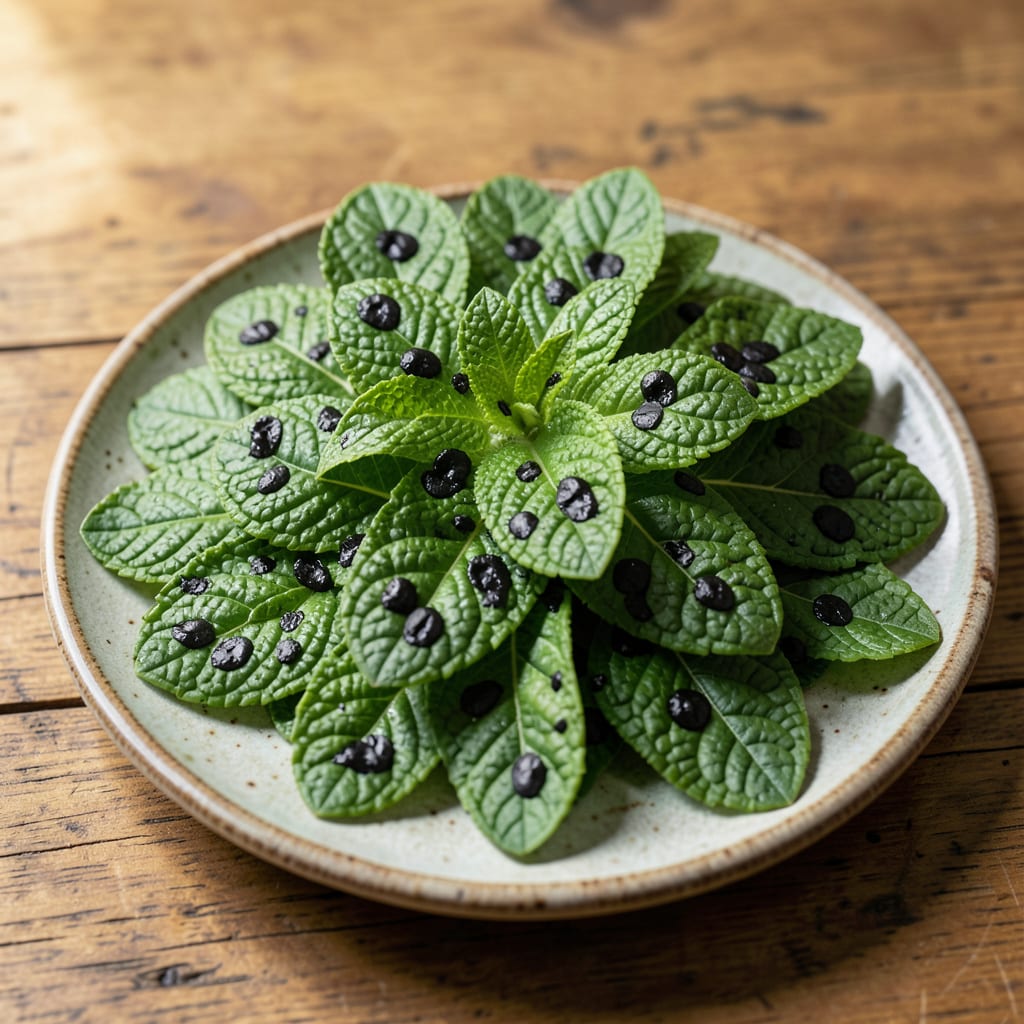
Black spots on your spearmint aren’t just unsightly—they’re a cry for help. I’ve seen healthy plants turn into polka-dotted messes overnight, and the culprit is usually one of three things: fungus, pests, or environmental stress.
Fungal infections like leaf spot thrive in damp conditions, while aphids and spider mites leave their own telltale marks. Between you and me, I’ve misdiagnosed this too many times before learning to check the undersides of leaves first.
Here’s the thing—early action saves plants. With the right treatment, your spearmint can bounce back in 2-3 weeks. The solution often involves adjusting watering habits, improving air circulation, or applying organic sprays.
Prevention is simpler than cure. Once you know what to look for, you’ll spot trouble before it spreads to the entire plant.
Black spots on spearmint leaves usually signal underlying stress from pathogens, pests, or cultural missteps. Below are the most common triggers, each with a clear mechanism and actionable insight.
Alternaria and Cercospora fungi thrive in wet, warm conditions. Their spores land on leaves, germinate, and penetrate the cuticle, producing dark, circular lesions. Overhead watering or poor air circulation accelerates spore spread.
Aphids, spider mites, and thrips pierce leaf cells to feed, creating tiny wounds. Secondary fungi or bacteria colonize these entry points, enlarging into black spots. Sticky honeydew left by aphids also fosters sooty mold growth.
Overwatering suffocates roots, reducing nutrient uptake and weakening the plant’s defenses. Under such stress, spearmint becomes more susceptible to opportunistic infections that manifest as black leaf spots.
Excess nitrogen promotes lush, soft growth that’s highly vulnerable to fungal attack. Conversely, potassium or calcium deficiencies weaken cell walls, allowing pathogens to invade more easily.
If your spearmint leaves are developing unsightly black spots, act fast to save your plant. Below are targeted fixes for common causes, along with prevention tips to keep your spearmint thriving.
Fix: Remove infected leaves immediately and discard them (do not compost). Spray the remaining plant with a fungicide—opt for copper-based or neem oil for an organic approach. Repeat every 5–7 days until the spots disappear. For severe cases, prune heavily to improve airflow.
Prevention: Water at the base of the plant (not the leaves) and space plants 12–18 inches apart. 💡 Pro tip: A 1-inch layer of mulch can prevent soil-borne fungi from splashing onto leaves.
Fix: Blast aphids or spider mites off with water, then apply insecticidal soap or a neem oil spray. For stubborn pests, introduce beneficial insects like ladybugs. Yellow sticky traps can help monitor and reduce flying pests.
Prevention: Inspect leaves weekly (especially undersides) and keep the area free of debris. ✨ Pro tip: Companion planting with marigolds repels many common pests naturally.
Fix: Stop watering immediately and let the soil dry out. If the pot lacks drainage, repot the spearmint in fresh, well-draining soil. Trim blackened roots if root rot is present.
Prevention: Use pots with drainage holes and a gritty potting mix. Water only when the top inch of soil is dry. 🌡️ Pro tip: A moisture meter takes the guesswork out of watering.
Fix: Apply a balanced, water-soluble fertilizer (10-10-10) to replenish missing nutrients. For magnesium deficiency (often causing black spots), use Epsom salt (1 tbsp per gallon of water) as a foliar spray.
Prevention: Feed spearmint lightly every 4–6 weeks during the growing season. Avoid over-fertilizing, which can burn roots.
No, they’re not toxic but trim affected areas first. Fungal spots won’t harm you but may taste bitter. Always wash leaves thoroughly before use.
Isolate the plant and remove spotted leaves immediately. Improve airflow around the plant and avoid overhead watering. Neem oil spray weekly helps prevent fungal growth.
Soggy soil creates perfect conditions for fungal growth. Let the top 1-2 inches dry between waterings and ensure good drainage.
Start with copper fungicide or neem oil, applied every 5-7 days. For pests, use insecticidal soap. Combine with better airflow and reduced watering for best results.
