
Beautiful Plants For Your Interior
Beautiful Plants For Your Interior
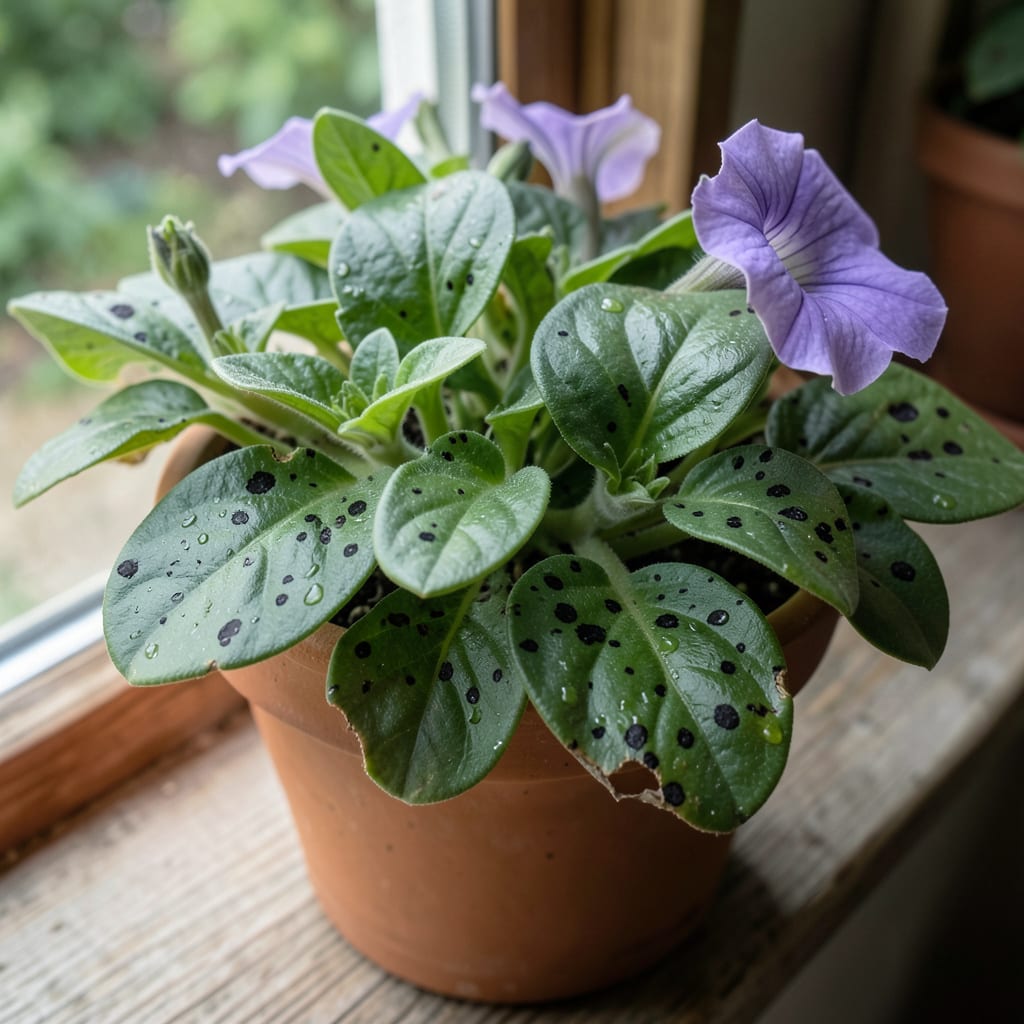
Those black spots on your petunias aren’t just ugly—they’re a warning sign. I’ve lost entire hanging baskets to this before learning that early action saves the plant.
The usual culprits are fungal infections from overwatering or poor air circulation, but sometimes pests like aphids leave similar marks. Most gardeners miss the first small spots until it’s too late.
You’ll want to isolate affected plants immediately and remove damaged leaves. Then treat with organic options like neem oil or baking soda spray—both work surprisingly well.
Prevention is simpler than cure: water at the base, space plants properly, and watch for the first signs. Your petunias will thank you with vibrant blooms all season.
Black spots on petunia leaves are often a sign of underlying issues, usually tied to environmental stress, pathogens, or cultural practices. Here’s a breakdown of the most common causes:
Fungi like Alternaria or Cercospora thrive in warm, humid conditions. They produce spores that land on leaves, germinate, and create dark, circular lesions. Overhead watering or poor air circulation exacerbates the problem. Action: Improve airflow, avoid wetting foliage, and remove infected leaves immediately.
Both overwatering and underwatering can lead to black spots. Overwatering suffocates roots, reducing nutrient uptake and causing leaf necrosis. Underwatering triggers stress responses, including leaf tip burn and dark patches. Action: Water at the base of the plant when the top inch of soil is dry.
Petunias are sensitive to sudden temperature swings or excessive sun exposure. Heat stress can manifest as scorched, blackened patches, while cold snaps may cause cellular damage. Action: Provide afternoon shade in hot climates and protect plants from frost.
Sap-sucking pests like aphids or spider mites weaken plants, and their feeding sites can turn black due to secondary infections. Action: Inspect leaves regularly and treat infestations with insecticidal soap or neem oil.
Calcium or potassium deficiencies may cause necrotic spotting, especially on older leaves. Excess fertilizer, particularly nitrogen-heavy blends, can also burn leaf edges. Action: Test soil and adjust fertilization—use a balanced, water-soluble formula.
Tackling those unsightly black spots on your petunias starts with identifying the cause and applying the right fix. Here’s how to address each common issue and keep your plants thriving:
If the spots are irregular with yellow halos, a fungus like Alternaria or Cercospora may be to blame.
Tiny black spots with chewing damage? Look for aphids, spider mites, or thrips.
Soft, mushy spots often signal root rot or waterlogged soil.
Sunburn or chemical burns (from fertilizers) can cause dry, dark spots.
✨ Prevention is key: Rotate crops yearly, sanitize tools, and choose disease-resistant petunia varieties like ‘Wave’ or ‘Supertunia’ for long-term health.
Yes, fungal spores and pests can travel between plants. Isolate affected petunias immediately and avoid overhead watering to prevent spreading.
A baking soda spray (1 tsp per quart of water) or neem oil works well for fungal issues. Apply weekly for prevention.
With proper treatment, new growth should appear spot-free in 2-3 weeks. Severely damaged leaves won’t heal but new ones will grow healthy.
Hidden causes include nutrient deficiencies or chemical drift from lawn treatments. Test soil and rinse leaves after nearby spraying.
