
Beautiful Plants For Your Interior
Beautiful Plants For Your Interior
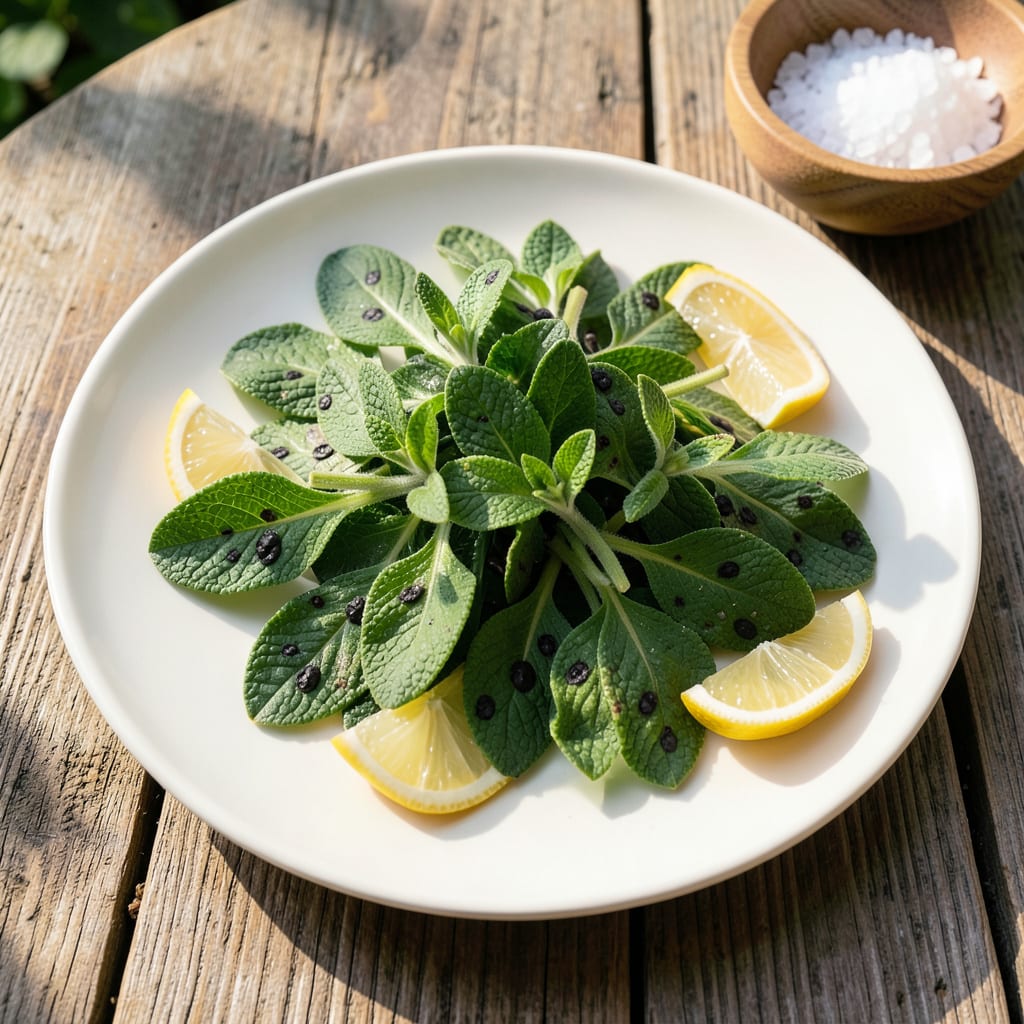
I noticed the dark splotches on my oregano last summer and panicked. Turns out those black spots aren’t a death sentence—they’re your plant’s way of asking for help.
Most cases come down to three culprits: too much moisture, fungal hitchhikers, or stressed plants. The good news? You probably already have the fixes in your kitchen or garden shed.
With the right approach, you’ll see new growth emerging clean and healthy within 2-3 weeks. No harsh chemicals required, just simple adjustments to your care routine.
Early action makes all the difference. Here’s how to diagnose and treat it before it spreads to the rest of your herb garden.
Black spots on oregano leaves are usually a sign of underlying stress or infection. Here are the most common causes, explained in simple, actionable terms:
Fungi like Alternaria or Cercospora thrive in wet, humid conditions. They spread via spores, creating small, dark lesions that expand if untreated. Overhead watering and poor air circulation worsen the issue.
Bacteria such as Pseudomonas or Xanthomonas enter through wounds or wet foliage, causing water-soaked spots that turn black. These often have a yellow halo and spread rapidly in warm, wet weather.
Sap-sucking pests like aphids or spider mites weaken the plant, leaving behind dark, necrotic spots where they feed. Their sticky residue (honeydew) can also promote sooty mold, adding to the discoloration.
Extreme heat, cold snaps, or nutrient deficiencies (e.g., calcium or potassium) can cause tissue death, appearing as black spots. Over-fertilization, especially with high-nitrogen blends, may also trigger leaf burn.
Both overwatering (leading to root rot) and underwatering (causing drought stress) can manifest as dark patches. Inconsistent moisture levels disrupt the plant’s ability to absorb nutrients properly.
Tackling black spots on oregano starts with identifying the cause and applying targeted fixes. Below are practical, organic solutions for common culprits, along with prevention tips to keep your plants thriving. 🌿
Fix: Remove infected leaves immediately to prevent spreading. Spray the plant with a mixture of 1 teaspoon baking soda + 1 quart water + a drop of dish soap. For stubborn cases, use neem oil (1 tablespoon per gallon of water) weekly until spots disappear.
Prevention: Improve airflow around plants by spacing them 12–18 inches apart. Water at the base in the morning to allow foliage to dry quickly. Avoid overhead watering. 💡
Fix: Blast aphids or spider mites off leaves with a strong stream of water. For infestations, apply insecticidal soap (1 tablespoon per quart of water) every 3–5 days. Introduce beneficial insects like ladybugs for long-term control.
Prevention: Inspect leaves weekly for early signs of pests. Companion plant with marigolds or garlic to deter invaders naturally. ✨
Fix: Stop watering immediately and let the soil dry out. If root rot is suspected, trim blackened roots and repot in fresh, well-draining soil. Add perlite or sand to improve drainage.
Prevention: Use pots with drainage holes and a gritty, fast-draining potting mix. Water only when the top inch of soil feels dry. 🌡️
Fix: Test soil pH (aim for 6.0–7.0). Amend with compost or a balanced organic fertilizer (like 5-5-5) to restore nutrients. For magnesium deficiency (yellowing with black spots), add Epsom salt (1 tablespoon per gallon of water) as a foliar spray.
Prevention: Feed oregano lightly every 4–6 weeks during the growing season. Rotate crops annually to prevent soil depletion. 🎯
Consistency is key—monitor your plants regularly and act at the first sign of trouble to keep those oregano leaves spot-free!
Only if the spots are minimal and you wash it thoroughly. Severe cases may indicate fungal or bacterial contamination. When in doubt, discard affected leaves to avoid health risks.
Improve air circulation, water at the base, and avoid overhead watering. Space plants 12-18 inches apart and use well-draining soil. These simple steps reduce fungal and bacterial risks.
Remove infected leaves immediately, then spray with neem oil or baking soda solution. For pests, use insecticidal soap. Most treatments show results within 1-2 weeks of consistent application.
