
Beautiful Plants For Your Interior
Beautiful Plants For Your Interior
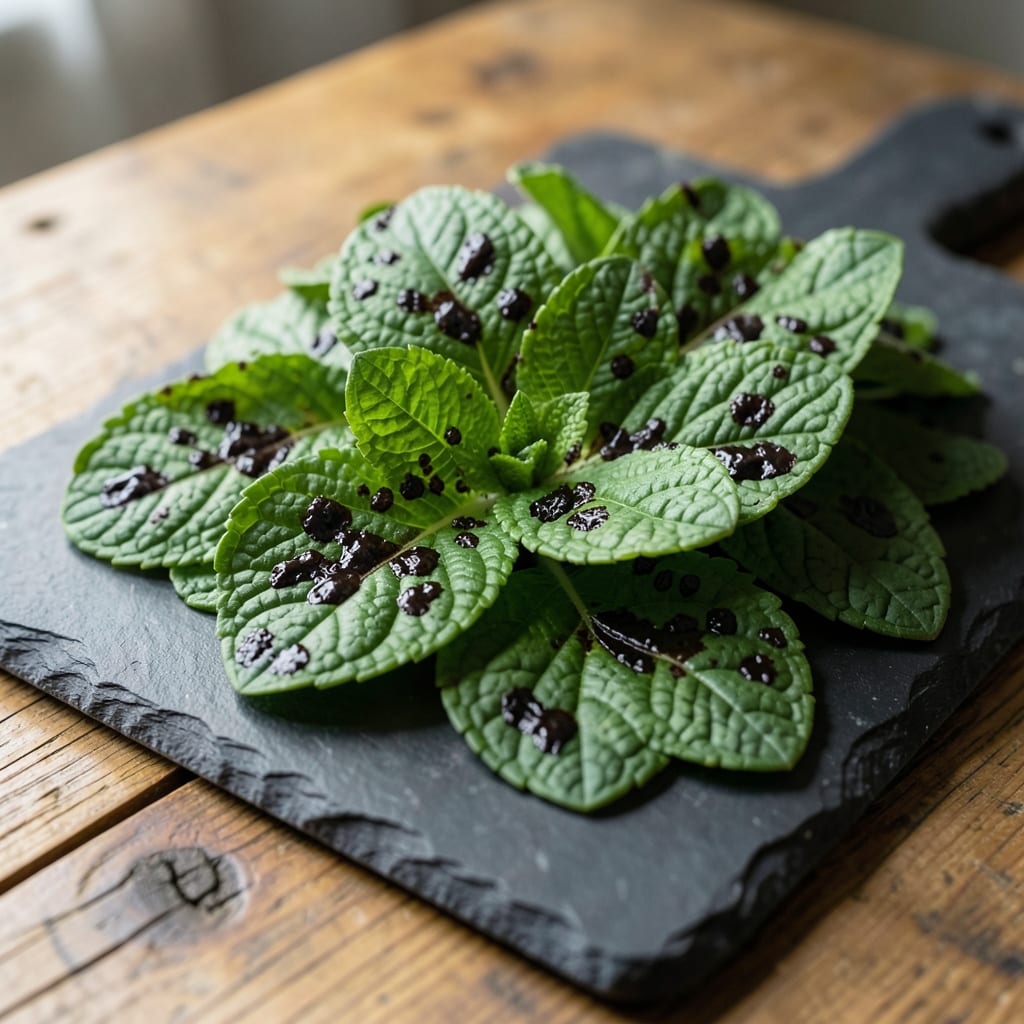
Black spots on mint leaves are your plant’s SOS signal. I’ve seen this exact pattern ruin entire patches overnight—usually fungal, sometimes pests, but always fixable.
First time it happened, I lost half my mint to anthracnose before realizing the issue. The spots start small, dark, and water-soaked, then spread fast in wet conditions. Catch it early and you can stop it cold.
Simple fixes work best: remove infected leaves, improve airflow, and adjust watering. A baking soda spray or neem oil application can turn the tide within 48 hours.
Prevention is easier than cure—space plants properly, water at the base, and keep leaves dry. Your mint will thank you with vibrant growth all season long.
Black spots on mint leaves often stem from environmental stress, pathogens, or cultural mismanagement. Below are the most common causes, explained with actionable insights.
The primary culprit is fungal diseases, particularly Alternaria or Cercospora leaf spot. These pathogens thrive in humid, wet conditions and spread via spores in water or air. Overhead watering and poor air circulation create ideal breeding grounds. Fungal spots often start as small, dark lesions with yellow halos, gradually expanding and merging.
Mint loves moisture but hates soggy roots. Overwatering or compacted soil leads to root rot, which manifests as black or brown spots on leaves. The stress weakens the plant, making it more susceptible to secondary infections. Ensure pots have drainage holes and soil remains moist but not waterlogged.
Extreme temperatures, sun scorch, or sudden cold snaps can cause necrotic (dead) tissue, appearing as black patches. Mint prefers partial shade in hot climates; direct afternoon sun can burn leaves. Similarly, frost damage may leave dark, irregular spots after a cold snap.
While less common, pests like aphids or spider mites can indirectly cause black spots. Their feeding wounds invite fungal or bacterial infections. Additionally, their sticky honeydew residue can grow sooty mold, a black fungus that coats leaves. Inspect undersides of leaves for tiny pests or webbing.
Deficiencies in calcium or magnesium may lead to leaf discoloration, including dark spots. Over-fertilization, especially with high-nitrogen formulas, can also burn leaf edges. Test soil pH (mint prefers 6.0–7.0) and adjust nutrients accordingly.
Tackling black spots on mint leaves starts with identifying the cause and applying the right fix. Below are targeted solutions for common issues, along with prevention tips to keep your mint healthy and vibrant.
If the spots are fuzzy or spreading, a fungal issue like leaf spot or powdery mildew is likely. Start by pruning affected leaves with sterilized scissors to prevent further spread. Spray the plant with a copper-based fungicide or a DIY mix of 1 tsp baking soda + 1 quart water + a few drops of dish soap. Apply weekly until the spots disappear.
Prevention tip: 💡 Improve airflow around the plant by spacing pots apart and watering at the base to keep leaves dry.
Pests like aphids or spider mites can cause black spots by sucking plant sap or introducing sooty mold. Wipe leaves with a damp cloth to remove pests, then spray with neem oil or insecticidal soap. For severe infestations, repeat every 3–5 days until pests are gone.
Prevention tip: 🎯 Introduce beneficial insects like ladybugs or use reflective mulch to deter pests naturally.
Root rot from overwatering can manifest as black spots on leaves. Let the soil dry slightly between waterings, and ensure pots have drainage holes. If the roots are mushy, repot the mint in fresh, well-draining soil.
Prevention tip: ✨ Water only when the top inch of soil feels dry, and use a pot with drainage to avoid soggy roots.
Black spots may signal a lack of essential nutrients like magnesium or potassium. Apply a balanced, water-soluble fertilizer (e.g., 10-10-10) every 4–6 weeks during the growing season. Yellowing leaves with black spots often indicate a magnesium deficiency—try a magnesium sulfate (Epsom salt) solution (1 tbsp per gallon of water).
Prevention tip: 🌡️ Test soil periodically and amend with compost to maintain nutrient levels.
Yes, soggy soil leads to root rot, which often appears as black or brown leaf spots. Ensure pots have drainage holes and let soil dry slightly between waterings.
Fungal spots often have yellow halos and spread in wet conditions. Pest damage may include sticky residue or visible bugs. Inspect leaf undersides for clues.
Remove spotted leaves with sterilized scissors to prevent spread. Dispose of them in the trash, not compost, to avoid reinfection.
Yes! A mix of 1 tsp baking soda + 1 quart water + dish soap works as a DIY fungicide. Spray weekly until spots disappear.
