
Beautiful Plants For Your Interior
Beautiful Plants For Your Interior
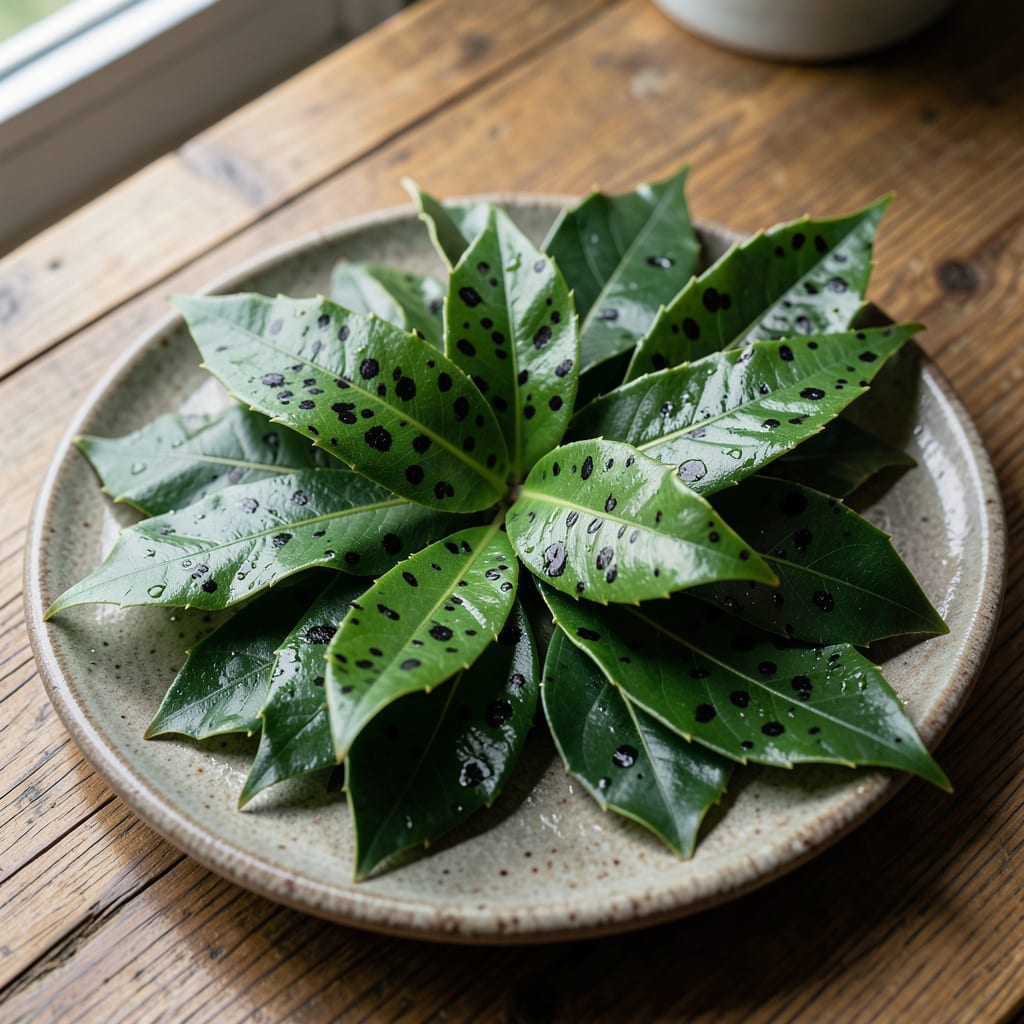
Those dark splotches on your laurel leaves aren’t just unsightly—they’re a warning. I first noticed them on my hedge after a wet spring, and ignoring them cost me two plants.
Most cases trace back to fungal infections, but pests or stress can trigger similar spots. The pattern matters: scattered dots suggest fungus, while chewed edges point to bugs. Early action prevents spreading.
Simple fixes often work: improve airflow, remove infected leaves, and avoid overhead watering. A copper fungicide spray can stop stubborn cases in 2-3 applications.
Laurels bounce back fast with the right care. Catching it early means your hedge stays dense and vibrant green all season.
Black spots on laurel leaves often signal underlying issues that compromise plant health. Below are the most common causes, explained with actionable insights.
Fungi like Mycosphaerella or Phyllosticta thrive in damp, poorly ventilated conditions, leading to dark, irregular spots. These pathogens spread via water splashes, contaminated tools, or infected plant debris. Overhead watering and high humidity accelerate their growth. Action: Improve airflow, avoid wetting foliage, and remove infected leaves promptly.
Bacteria such as Pseudomonas or Xanthomonas cause water-soaked lesions that turn black. They enter through wounds or stomata, often during rainy or overly humid weather. Action: Prune with sterilized tools, avoid overhead irrigation, and apply copper-based bactericides at the first sign of infection.
Sap-sucking pests like aphids, scale, or spider mites weaken laurel leaves, making them susceptible to secondary infections that manifest as black spots. Their feeding also leaves behind sticky honeydew, which attracts sooty mold (a black fungal growth). Action: Inspect leaves regularly, blast pests off with water, or use insecticidal soap for severe infestations.
Extreme temperatures, drought, or nutrient deficiencies (e.g., potassium or magnesium) can cause leaf necrosis, appearing as black or brown spots. Laurel plants in compacted or waterlogged soil are especially prone. Action: Ensure well-draining soil, consistent watering, and balanced fertilization to maintain vigor.
Overuse of herbicides, fungicides, or even foliar fertilizers can scorch laurel leaves, leaving dark, crispy spots. This often happens when products are applied during hot, sunny days. Action: Follow label instructions, apply treatments during cooler hours, and rinse leaves if accidental over-spray occurs.
Tackling black spots on laurel leaves starts with identifying the root cause and applying the right fix. Below are targeted solutions for common triggers, along with prevention tips to keep your laurel thriving.
If the spots are circular or have a yellow halo, a fungal issue like leaf spot disease is likely. Remove and destroy infected leaves to prevent spread. Apply a copper-based fungicide or neem oil every 7–10 days until the problem clears. Prevention tip: 💡 Improve air circulation by pruning dense foliage and avoid overhead watering.
Pests like aphids, scale, or spider mites can cause dark spots from their feeding or sooty mold. Blast them off with a strong stream of water, or use insecticidal soap or horticultural oil. For stubborn cases, introduce beneficial insects like ladybugs. Prevention tip: 🎯 Inspect leaves regularly (especially undersides) and keep the plant debris-free.
Root rot or waterlogged soil can lead to leaf discoloration. Let the top 1–2 inches of soil dry out between waterings. Ensure pots have drainage holes, and amending heavy soil with compost can help. Prevention tip: ✨ Water at the base of the plant in the morning to allow foliage to dry quickly.
Too much sun, frost damage, or nutrient deficiencies can cause dark patches. Move potted laurels to partial shade if leaves scorch. Apply a balanced fertilizer in spring to address deficiencies. Prevention tip: 🌡️ Mulch around the base to regulate soil temperature and moisture.
No, other factors like pest damage or environmental stress can create similar marks. Check for sticky residue (pests) or crispy edges (chemical burn) to narrow it down.
Remove affected leaves immediately and treat within 24-48 hours to prevent spreading. Fungal issues can escalate fast in wet conditions.
Yes, soggy soil leads to root stress and leaf discoloration. Let soil dry slightly between waterings and ensure good drainage.
Neem handles fungal issues and some pests, but won’t fix environmental stress or chemical burns. Always pair with proper cultural care.
