
Beautiful Plants For Your Interior
Beautiful Plants For Your Interior
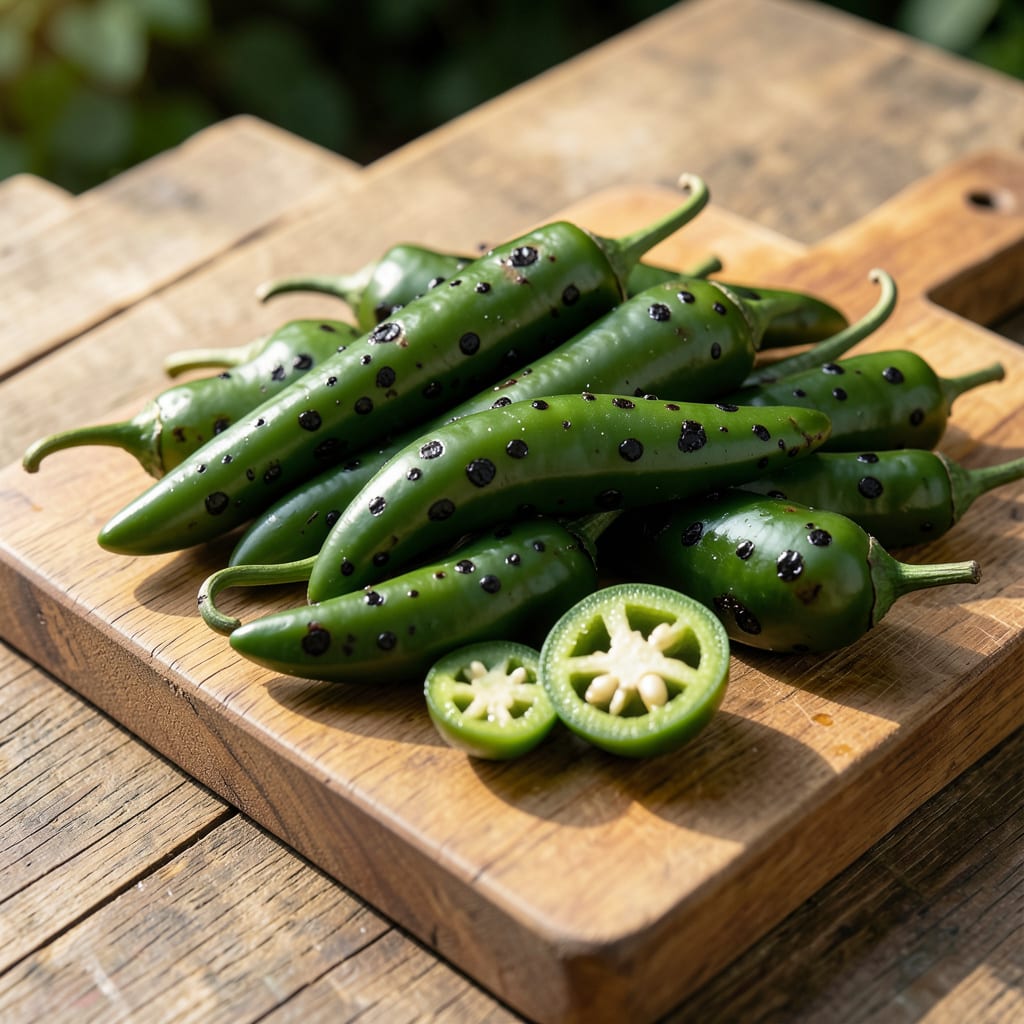
Nothing ruins a pepper harvest like seeing black spots on your jalapenos. I’ve been there—watching healthy plants suddenly develop dark blemishes and wondering what went wrong.
These spots usually come from disease, pests, or environmental stress, but the good news is most causes are preventable. With a few adjustments to watering, airflow, or soil health, you can stop the problem before it spreads.
Organic solutions like neem oil, copper sprays, or simply pruning affected leaves often clear it up fast. The key is catching it early and acting consistently.
Your plants can bounce back stronger, and next season’s harvest will stay spot-free with the right care.
Black spots on jalapeño peppers can stem from several underlying issues, each with distinct causes and solutions. Below are the most common culprits:
Fungi like Alternaria or Phomopsis thrive in warm, humid conditions, leading to dark, sunken lesions on peppers. These pathogens spread via spores in water or soil, often entering through wounds or stressed plant tissues. Overhead watering and poor air circulation exacerbate the problem.
Pests such as aphids, spider mites, or flea beetles pierce plant cells, creating entry points for secondary infections. Their feeding can cause small black spots or speckling, especially on leaves and fruit. Check undersides of leaves for tiny insects or webbing.
Extreme temperature swings, excessive moisture, or nutrient deficiencies (e.g., calcium or magnesium) can trigger physiological disorders. Blossom-end rot, for instance, starts as water-soaked spots that turn black. Inconsistent watering or soil pH imbalances often contribute.
Overuse of pesticides, herbicides, or even harsh organic sprays (like neem oil in high concentrations) may burn plant tissues, resulting in blackened patches. Physical damage from tools, hail, or rough handling can also lead to discoloration as the plant heals.
Identifying the root cause is key to targeting the right remedy and preventing recurrence.
When black spots appear on your jalapeño peppers, addressing the root cause is key. Below are targeted solutions for common issues, along with prevention tips to keep your plants healthy and thriving.
Fix: Remove affected peppers and leaves immediately to prevent spreading. Apply a copper-based fungicide or a homemade spray of 1 tsp baking soda + 1 quart water + a few drops of dish soap. Spray every 5–7 days until the issue clears.
Prevention: Improve airflow around plants by pruning dense foliage. Water at the base (not overhead) to keep leaves dry. Use drip irrigation for consistent moisture without wetting foliage.
Fix: For aphids or spider mites, blast them off with a strong stream of water. Introduce beneficial insects like ladybugs or apply neem oil (mix 2 tbsp oil + 1 tsp dish soap + 1 quart water). Repeat every 3–4 days until pests are gone.
Prevention: Inspect plants regularly, especially the undersides of leaves. Companion plant with pest-deterring herbs like basil or marigolds.
Fix: Test your soil to confirm deficiencies. For calcium (causing blossom end rot), add crushed eggshells or a calcium-rich fertilizer. For magnesium, use Epsom salt (1 tbsp per gallon of water) as a foliar spray.
Prevention: Amend soil with compost before planting. Use a balanced, slow-release fertilizer to maintain nutrient levels throughout the growing season.
Fix: If sunscald is the issue, provide afternoon shade with a shade cloth (30–40% coverage). For water stress, adjust your schedule to keep soil consistently moist but not soggy.
Prevention: Mulch around plants to retain moisture and regulate soil temperature. Group plants to create microclimates that buffer extreme conditions.
💡 Pro Tip: Rotate crops yearly to prevent soil-borne diseases and pests from recurring in the same spot.
Yes, if the spots are superficial and the flesh underneath looks healthy. Cut away affected areas with a clean knife. Avoid eating peppers with moldy or mushy spots, as these may harbor harmful pathogens.
Remove affected leaves and peppers immediately. Improve airflow by pruning and avoid overhead watering. Apply neem oil or a copper fungicide every 5-7 days until the issue resolves.
Fungal infections are the top culprit, especially in humid conditions. Alternaria and Phomopsis thrive in wet foliage. Pest damage and nutrient deficiencies also trigger similar symptoms.
