
Beautiful Plants For Your Interior
Beautiful Plants For Your Interior
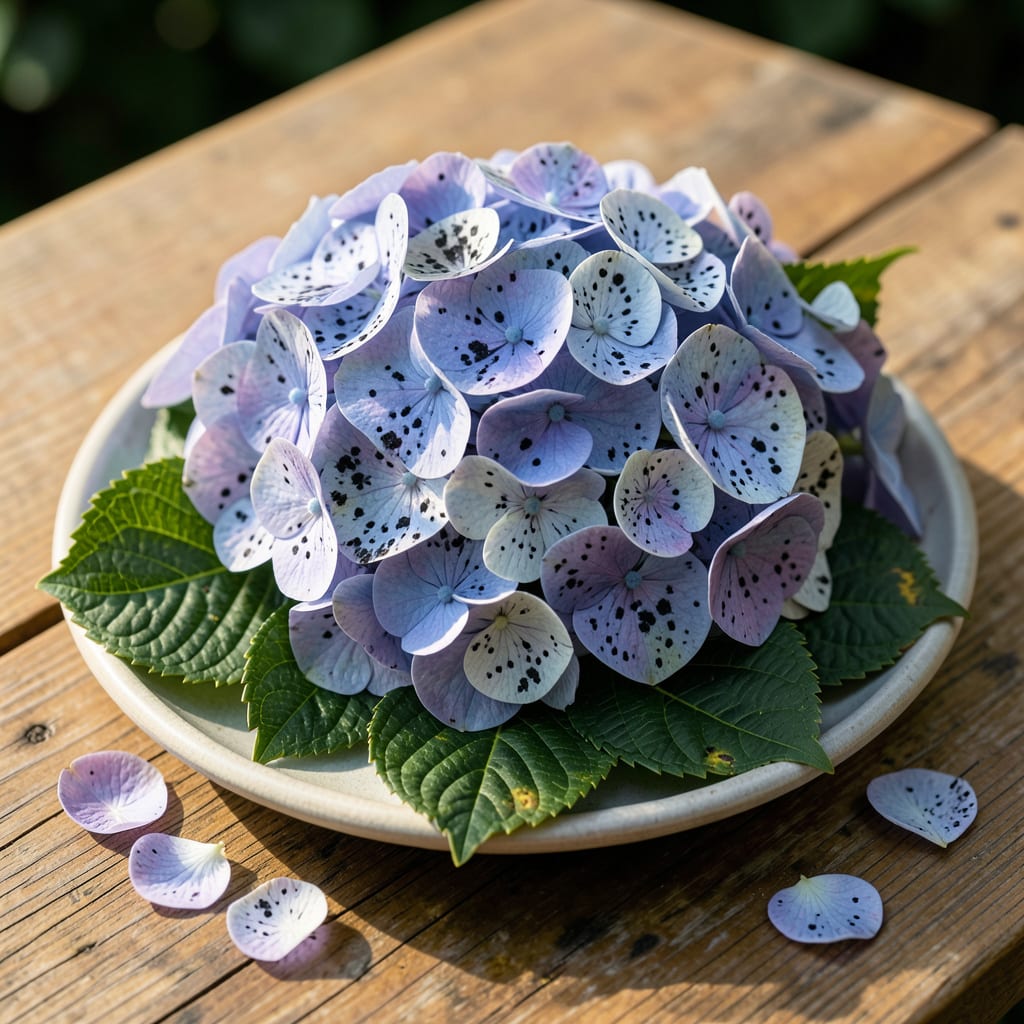
Black spots on hydrangea leaves ruined my garden party last summer. 🌿 I spent weeks trying to figure out what was causing the ugly blemishes on my once-perfect plants.
Turns out, it’s usually a fungal issue that thrives in wet conditions. The spots start small and dark, then spread until leaves yellow and drop. I learned the hard way that overhead watering and poor air circulation are major contributors.
Here’s the thing—you can fix this without harsh chemicals. Simple changes like watering at the base and removing affected leaves made a huge difference in my garden. The plants bounced back faster than I expected.
Prevention is easier than cure, but even established infections can be managed. I’ll share the organic solutions that saved my hydrangeas and kept them blooming beautifully all season.
Black spots on hydrangea leaves are usually a sign of trouble brewing in your garden. Here are the most common causes, explained with actionable insights:
The primary culprit is often leaf spot diseases, particularly Cercospora or Alternaria fungi. These thrive in warm, wet conditions, spreading spores that create circular black or brown spots with yellow halos. Overhead watering or poor air circulation worsens the issue.
Hydrangeas love moisture, but too much of it invites trouble. Prolonged leaf wetness—from rain, irrigation, or high humidity—creates a perfect breeding ground for fungi. Ensure your plants have good drainage and avoid watering late in the day.
Crowded plants or dense foliage restrict airflow, trapping moisture and encouraging fungal growth. Thin out overgrown branches and space hydrangeas properly (at least 3–4 feet apart) to improve ventilation.
While less common, nutrient imbalances (like calcium or magnesium deficiency) can weaken plants, making them more susceptible to infections that cause black spots. A soil test can reveal deficiencies—amend with organic compost or targeted fertilizers as needed.
Insects like aphids or spider mites can wound leaves, creating entry points for fungi. Inspect the undersides of leaves for pests and treat with neem oil or insecticidal soap if detected.
Dealing with black spots on your hydrangeas? Here’s how to tackle each cause with practical, easy-to-follow fixes.
Remove and destroy infected leaves to prevent the fungus from spreading. Apply a copper-based fungicide or a homemade remedy like neem oil or baking soda spray (1 tsp baking soda + 1 quart water + a few drops of dish soap). Spray every 7–10 days until the issue clears.
Prevention tip: 💡 Improve air circulation by spacing plants properly and watering at the base to keep foliage dry.
Switch to drip irrigation or water early in the morning so leaves dry quickly. Avoid wetting the foliage, especially in the evening, as dampness encourages fungal growth.
Prevention tip: 🌡️ Use a moisture meter to ensure soil stays moist but not soggy.
If the soil is waterlogged, amend it with compost or sand to improve drainage. Consider raising the plant bed or using containers with drainage holes.
Prevention tip: ✨ Test soil drainage by digging a small hole and filling it with water—if it drains in under an hour, you’re good to go.
Black spots can signal a lack of essential nutrients. Apply a balanced fertilizer (10-10-10) or an organic option like fish emulsion. Test your soil to identify specific deficiencies.
Prevention tip: 🎯 Feed hydrangeas in early spring and again in mid-summer for consistent nutrition.
Inspect leaves for pests like aphids or mites, which can weaken plants and invite disease. Use insecticidal soap or introduce beneficial insects like ladybugs.
Prevention tip: 🔥 Regularly check the undersides of leaves and treat infestations early.
Fungal spores can travel through water or wind, so yes, nearby plants may become infected. Remove affected leaves immediately and avoid overhead watering to contain the issue.
A baking soda spray (1 tsp per quart of water) works as a mild fungicide. Mix with a few drops of dish soap for better adhesion and apply weekly.
With proper treatment, new growth should appear spot-free within 2-3 weeks. Consistency in care (watering, airflow) speeds up recovery time.
Yes, but sterilize pruners with rubbing alcohol between cuts. Remove branches with extensive damage to improve air circulation and prevent further spread.
