
Beautiful Plants For Your Interior
Beautiful Plants For Your Interior
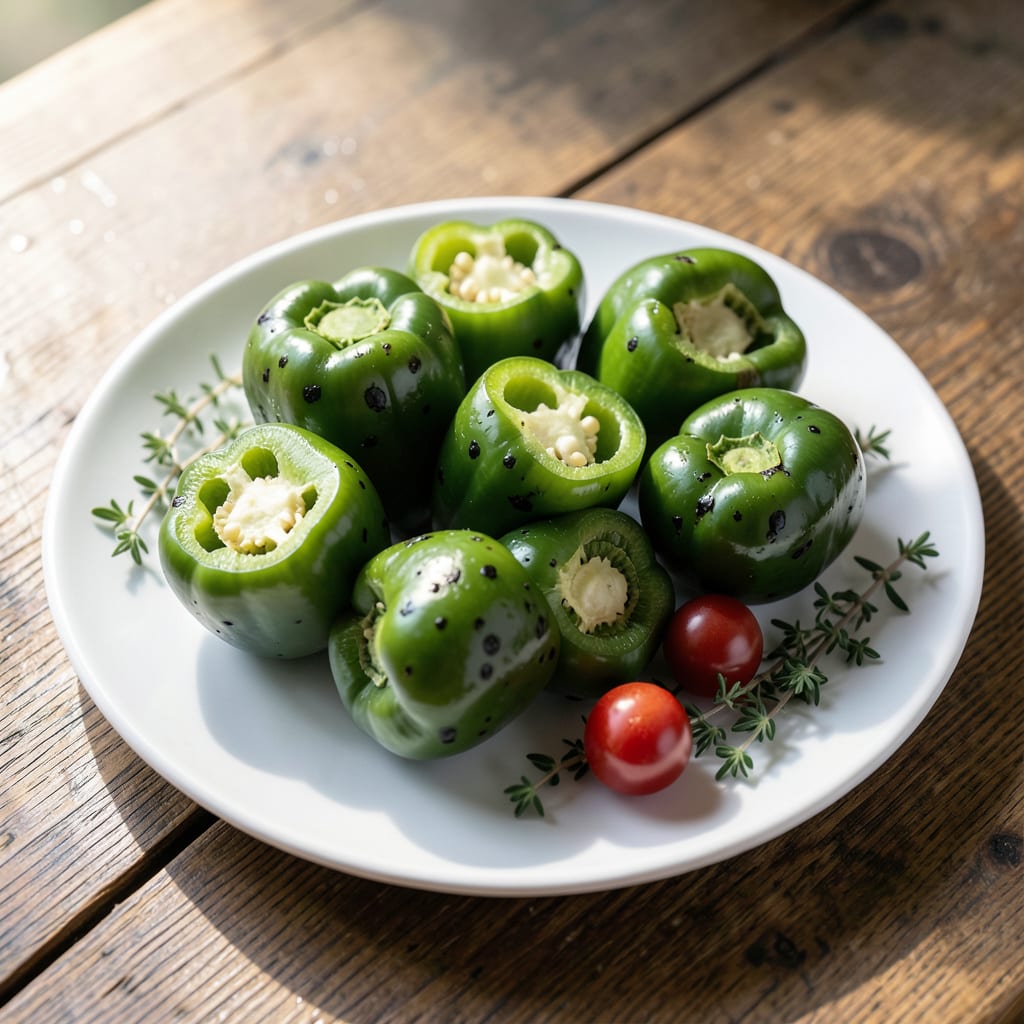
Those black spots on your green peppers aren’t just unattractive—they’re a warning sign. I’ve seen them wipe out entire pepper crops when ignored, but the good news is they’re usually preventable and treatable once you identify the cause.
From fungal infections to pest damage, the culprits vary, but the solutions often start with simple cultural fixes. Proper spacing, consistent watering, and good airflow can prevent most issues before they start. Even better, these fixes work for all pepper varieties.
You’ll often notice the first spots on leaves before they spread to the fruit. Catching them early means saving your harvest. The key is knowing what you’re dealing with—whether it’s blight, aphids, or environmental stress.
With the right approach, your peppers can rebound quickly. I’ve turned around affected plants in as little as 2 weeks with targeted treatments and preventative care.
Black spots on green peppers can stem from several underlying issues, often tied to environmental stress, disease, or cultural practices. Below are the most common causes, explained with actionable insights to help you address them effectively.
Fungi like Alternaria or Phytophthora thrive in warm, humid conditions, leading to dark, sunken spots on peppers. These pathogens spread via water splashing on leaves or contaminated soil. Overhead watering and poor air circulation exacerbate the problem. Action: Use drip irrigation, space plants for airflow, and apply copper-based fungicides preventatively.
Extreme temperature swings, particularly cold snaps below 50°F (10°C), can cause chilling injury, manifesting as black or brown spots. Similarly, sunscald from intense heat (above 90°F/32°C) burns fruit tissue, leaving dark, leathery patches. Action: Use row covers for cold protection and shade cloth during heatwaves.
A lack of calcium disrupts cell wall development, leading to blossom end rot—black, water-soaked spots at the pepper’s base. Magnesium or boron deficiencies may also cause dark spotting. Action: Test soil pH (aim for 6.0–6.8) and amend with lime (for calcium) or Epsom salt (for magnesium).
Sap-sucking pests like aphids or stink bugs puncture pepper tissues, creating entry points for secondary infections that turn into black spots. Their feeding also weakens plants, making them more susceptible to disease. Action: Introduce beneficial insects (e.g., ladybugs) or use neem oil sprays weekly.
Rough handling during harvest or pruning can bruise peppers, leading to localized blackening. Herbicide drift or overuse of fertilizers may also cause chemical burns. Action: Handle peppers gently and avoid spraying herbicides near windy conditions.
Dealing with black spots on green peppers starts with pinpointing the cause and applying the right fix. Below are targeted solutions for each common issue, paired with prevention tips to keep your plants healthy.
Fix: Remove infected leaves or peppers immediately to stop the spread. Apply a copper-based fungicide or a homemade mix of 1 tsp baking soda + 1 quart water + a drop of dish soap every 7–10 days until the issue clears. Ensure good air circulation by pruning dense foliage.
Prevent: Water at the base of the plant (avoid wetting leaves) and space plants 18–24 inches apart. 💡 Pro tip: Mulch with straw to reduce soil splash, which can spread spores.
Fix: Handpick visible pests like aphids or flea beetles and drop them into soapy water. For severe infestations, spray with neem oil or insecticidal soap, focusing on leaf undersides. Repeat every 5–7 days as needed.
Prevent: Encourage natural predators (ladybugs, lacewings) by planting companion flowers like marigolds. Use row covers to protect young plants.
Fix: Adjust watering habits—keep soil consistently moist but not soggy. If sunscald is the issue, provide afternoon shade with a shade cloth (30–50% coverage). For nutrient deficiencies, apply a balanced fertilizer (10-10-10) or compost tea.
Prevent: Mulch to retain soil moisture and regulate temperature. ✨ Pro tip: Test soil pH (aim for 6.0–6.8) and amend with lime or sulfur if needed.
Fix: Remove and destroy infected plant parts (do not compost). Treat with a bactericide containing copper or a biological option like Bacillus subtilis. Rotate crops next season to break the disease cycle.
Prevent: Disinfect tools with rubbing alcohol between uses. Avoid overhead watering and work with plants when they’re dry to limit spread.
Yes, if the spots are only on the skin, you can cut them off and eat the rest. Avoid eating peppers with soft, mushy, or moldy spots, as these may indicate rot or fungal growth. Always wash thoroughly before consuming.
Rotate crops yearly, use drip irrigation, and space plants 18–24 inches apart for airflow. Mulch with straw to reduce soil splash and apply compost to maintain soil health.
Remove infected leaves or peppers immediately. Apply a copper-based fungicide or neem oil spray every 5–7 days until the issue clears. Ensure plants stay dry to stop further spread.
