
Beautiful Plants For Your Interior
Beautiful Plants For Your Interior
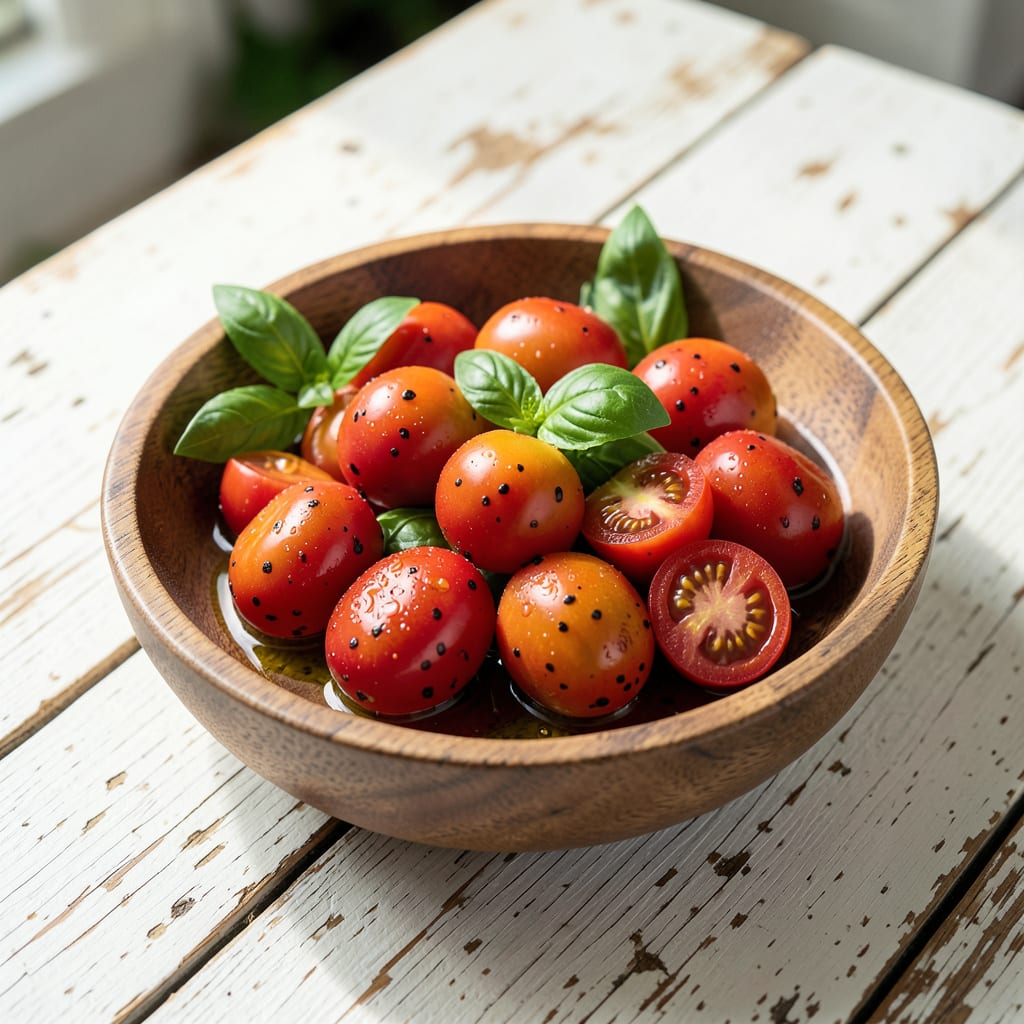
Nothing ruins summer excitement like finding black spots on your cherry tomatoes. I’ve lost entire harvests to this, and the frustration is real.
Those dark patches often signal blossom end rot or fungal issues, but don’t panic—it’s usually fixable. The key is catching it early and adjusting your care routine.
With a few tweaks to watering, soil, and nutrients, you can turn things around fast. Most fixes take less than a week to show results.
This works for container gardens, raised beds, or in-ground plants. Let’s get those tomatoes back on track.
Black spots on cherry tomatoes often stem from environmental stress or disease. Here’s why it happens:
Uneven watering or calcium deficiency in the soil disrupts cell development, leading to dark, sunken spots at the blossom end. Tomatoes need consistent moisture to absorb calcium properly. Dry spells followed by heavy watering exacerbate the issue.
Pathogens like Alternaria or Phytophthora thrive in wet, humid conditions, causing dark, spreading lesions. Overhead watering and poor air circulation create ideal breeding grounds for these fungi.
Heat stress (above 90°F) or cold snaps can disrupt nutrient uptake, triggering blotchy, blackened areas. Tomatoes are sensitive to fluctuations, especially during fruit set.
Inconsistent soil moisture—either too dry or waterlogged—hampers calcium transport. Mulching and drip irrigation help stabilize conditions.
Sap-sucking pests (e.g., aphids) weaken plants, making them more susceptible to secondary infections that manifest as black spots.
Dealing with black spots on your cherry tomatoes? Here’s how to tackle each cause with simple, actionable fixes.
Add crushed eggshells or calcium-rich fertilizer to the soil. For a quick fix, dissolve 1 tablespoon of calcium chloride in a gallon of water and apply to the base of plants. Prevention tip: 💡 Maintain consistent soil moisture—water deeply 1-2 times per week rather than shallow daily watering.
Remove infected tomatoes and leaves immediately to stop the spread. Apply copper-based fungicide or a DIY mix of 1 tsp baking soda + 1 quart water + a few drops of dish soap. Prevention tip: ✨ Space plants for airflow and avoid overhead watering to keep foliage dry.
Shield plants with shade cloth (30-40% coverage) during peak sun hours. Ensure even watering to prevent stress. Prevention tip: 🌡️ Mulch around plants to retain moisture and regulate soil temperature.
Flush the soil with water to dilute excess nutrients. Switch to a balanced, slow-release fertilizer and test soil before adding more. Prevention tip: 🎯 Follow package instructions—more isn’t always better!
Handpick pests or use neem oil spray at dusk. Introduce beneficial insects like ladybugs. Prevention tip: 🔥 Rotate crops yearly to disrupt pest cycles.
Small spots from blossom end rot are safe to eat after trimming. Avoid tomatoes with soft, spreading black areas as these may indicate fungal or bacterial infections. Always wash thoroughly before consumption.
Calcium treatments show improvement in 5-7 days, while fungal solutions may take 1-2 weeks. Consistency is key—maintain proper watering and soil conditions throughout the season.
Fungal infections can spread through water splash or direct contact. Remove affected tomatoes immediately and avoid overhead watering. Isolate severely infected plants to protect others.
Remove only those with soft, spreading spots. Small, dry spots at the blossom end can be trimmed off. Regularly check plants and remove new infected tomatoes promptly.
